Comfort San Rafael Insulation ServicesComfort San Rafael Insulation Services

Attic air sealing in San Rafael CA - stop the drafts before you add insulation

Drafty rooms, a hot upstairs or a high power bill usually mean air is leaking into the attic. We find the gaps and close them.

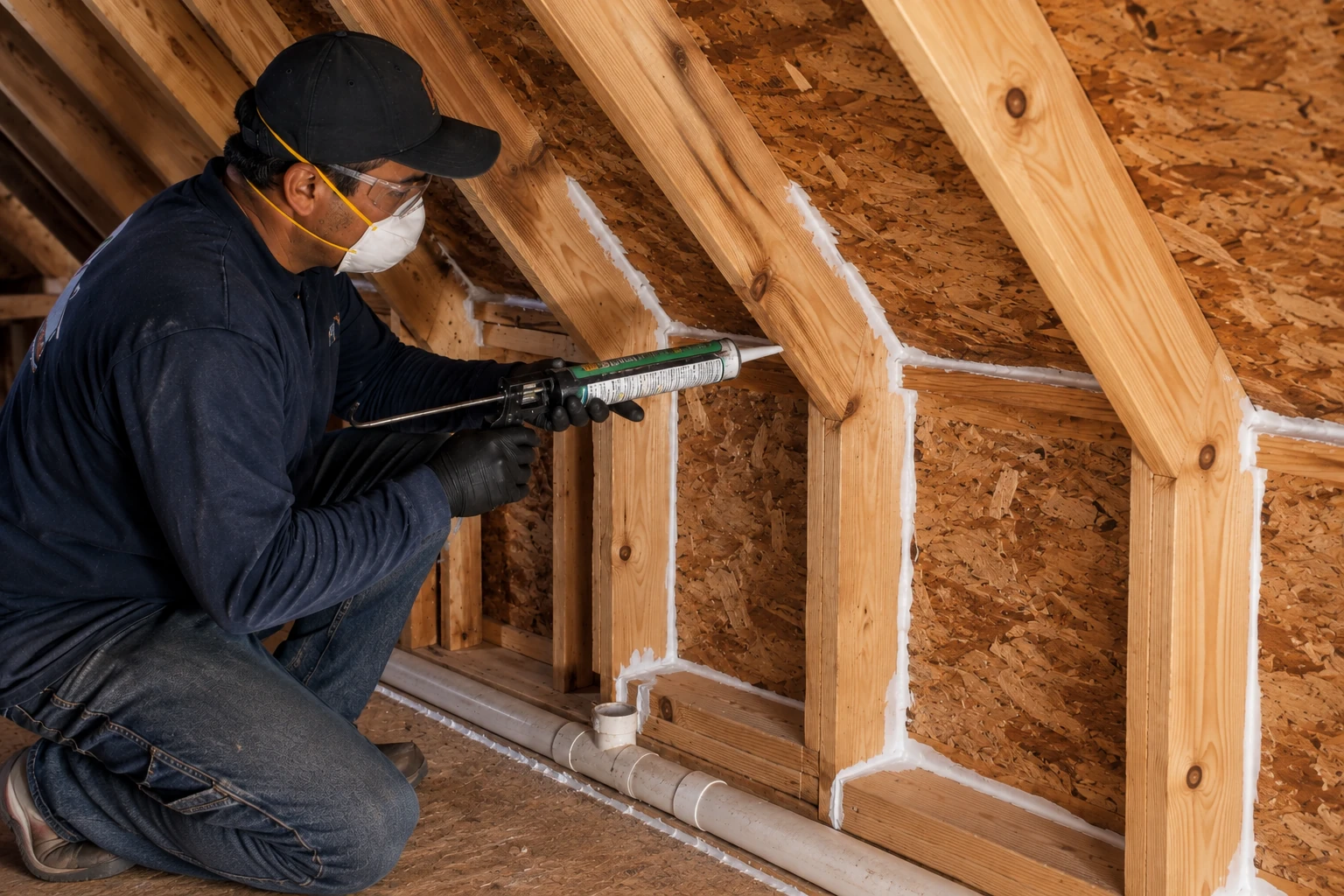
A worker wearing protective gear applies sealant along the wooden framing in an attic.

Attic air sealing in San Rafael closes the gaps where air slips between your rooms and the attic. The heat you pay for stays downstairs, and any insulation you add later isn't fighting a draft.

Does my San Rafael attic need air sealing?

You're probably here because a room stays cold, the upstairs gets hot or the power bill won't come down. At Comfort San Rafael Insulation Services we usually find the cause in the attic of an older house. It's full of holes nobody sees from below, where pipes, wires and the hatch pass through. Piling more insulation on top doesn't close them.

The price moves with how big the attic is, how easy it is to crawl around in and how much old insulation has to be pulled back to reach the gaps. The schedule mostly turns on what has to happen first, because a roof leak or a bad vent gets fixed before we seal. The estimate I write after I've been up there tells you what has to come first and what the job takes.

What's in your attic shapes the job

Every attic I go into is a little different. These are the things I check first, because they decide how much work the sealing takes and whether it holds up.

Old insulation that's gone bad

If the insulation up there is full of droppings or was soaked at some point, sealing around it and covering it with new material just buries the problem. I'll tell you if it has to come out first, before we spend your money on anything that goes over it.

The hatch, pipes and lights

Small openings add up. The attic hatch, plumbing pipes, wire holes and recessed can lights each let air through, and insulation laid over an open gap just has air moving through it. Each one gets closed before anything goes over it.

Eave vents left open

Your attic breathes through the vents at the eaves. When they get buried, moisture has nowhere to go and starts showing up in the framing. We keep those airflow paths clear while we work, so sealing the ceiling doesn't trap damp air up there.

What happens after you call about sealing your attic

Here's how a job runs, from your first call to the walk-through at the end, and who does what along the way.

  1. 1

    Call or send a message

    Call (628) 234-2144 or use the form and tell us what you're noticing, like a cold bedroom or a hot room over the garage. We get back to you and set a time for me to come out.

  2. 2

    I inspect and write the estimate

    I go up into the attic and check the old insulation, the vents and the area around any flues. I look for anything that has to be fixed first, then write up the estimate so you see the whole plan on paper.

  3. 3

    We prep, seal and insulate

    If you go ahead, we handle any permit the job needs, clear a path and protect the rooms below. Our crew seals the gaps with me on site, then insulates if that's part of your plan.

  4. 4

    Walk through the finished attic

    Before we leave, I walk you through what we sealed and point out anything worth keeping an eye on. Keep the hatch shut tight afterward, because it's one of the gaps we just closed.

Request an estimate

How we handle attic air sealing

We go after the big leaks first, because that's where most of the air moves. That means the tops of walls where they meet the attic floor and the edges of dropped ceilings, like the boxed-in soffit over kitchen cabinets. It also means the spaces behind kneewalls, the short walls in rooms tucked under the roof. Those openings are bigger than they look from below.

Hot flues from a furnace or water heater get different treatment. Foam doesn't belong against a pipe that gets hot, so we close those gaps with metal and caulk rated for heat. If the attic also needs more insulation, on an older house that's often part of a retrofit insulation job. When the ductwork lives up there, spray foam insulation can be the better fit.

Seal by hand, add blown-in

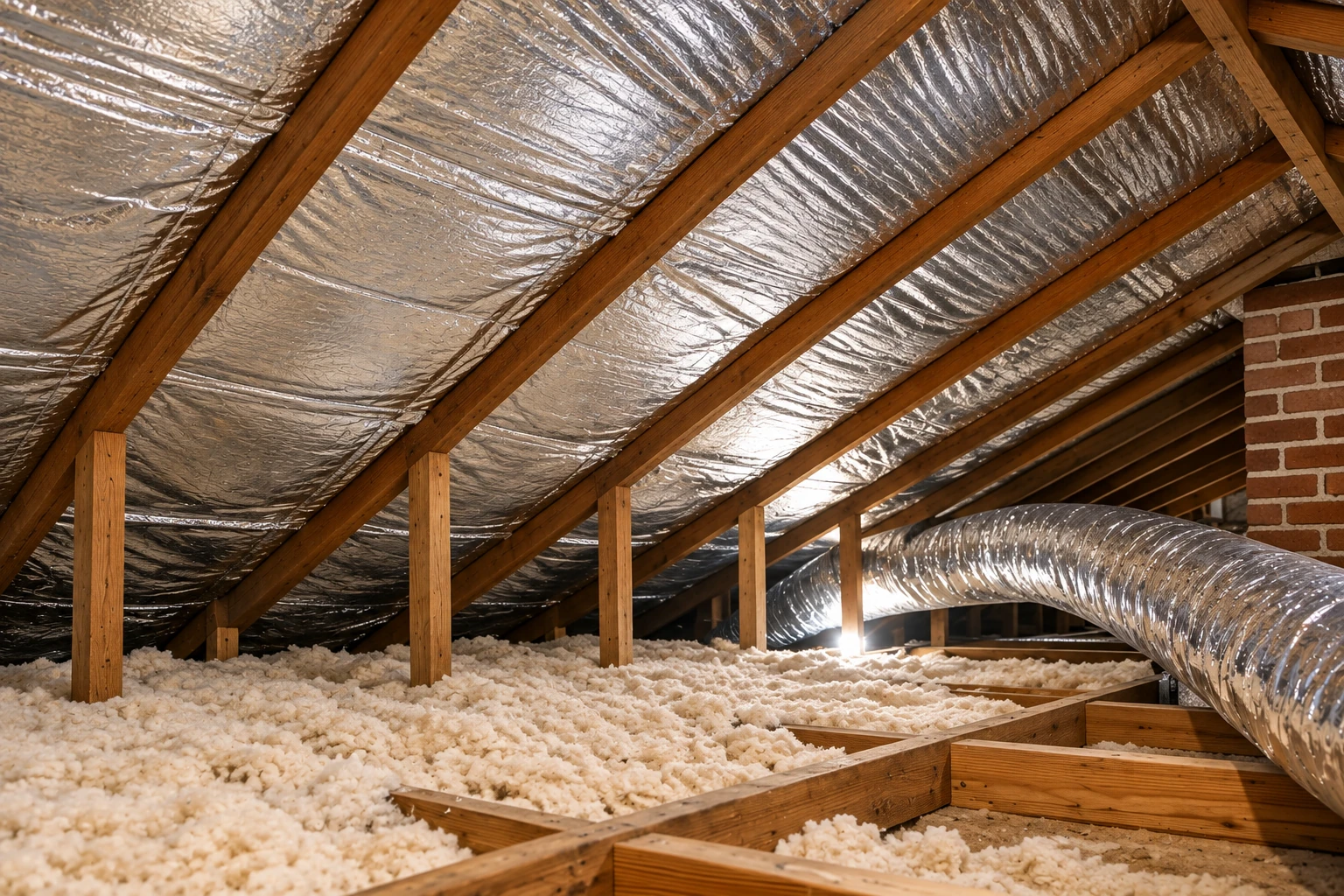
We close the leaks one by one, then top up with blown-in insulation, which is loose fill blown through a hose. It costs less than foam and usually wins when the attic holds nothing but stored boxes.

Foam when ducts are up there

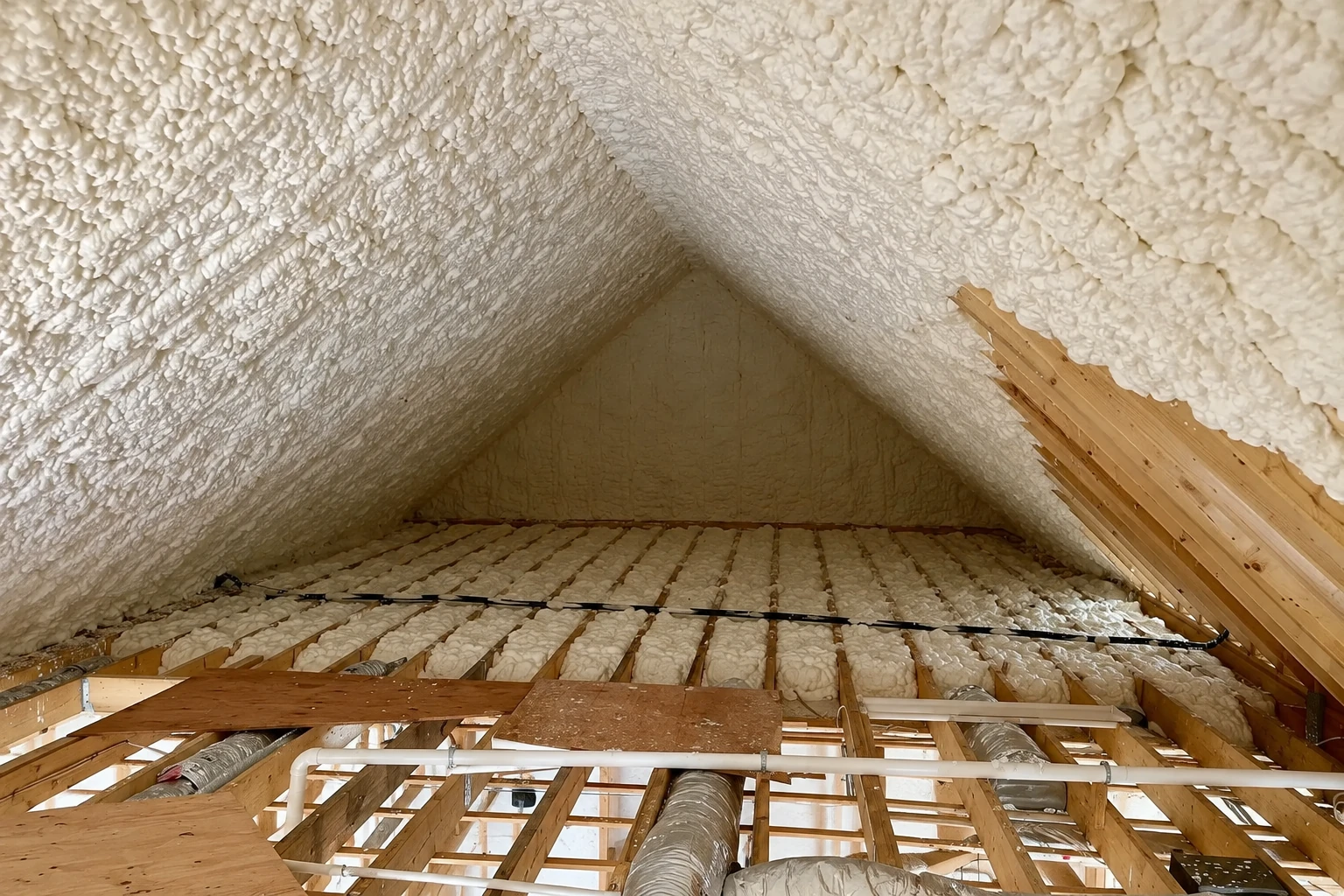
If your heating ducts run through the attic, foam seals and insulates around them in one pass. It costs more, so I only suggest it when the ducts make it worth paying for.

Get a free estimate for sealing your attic

We reply to every call and message within one business day. After you send the form, I set a time to come out, go up into your attic and write up a free estimate, and there's no obligation to go ahead.

(628) 234-2144

hello@sanrafaelinsulation.com

Attic air sealing permits and licensing in San Rafael

The City of San Rafael's building office handles permits here and takes new applications online. The city decides whether a job needs a permit. If you're not sure about yours, I'll find out before we start. When a job does need one, we pull it and set up the inspection, so you don't have to chase the city yourself.

California's rules on who can do the work matter too. Even a small job under $1,000 needs a licensed contractor when it needs a permit of any kind or the worker brings on helpers. The state licenses insulation contractors for exactly this kind of work, so ask anyone you hire for their license.

We're based in San Rafael and work across Marin and nearby, from Petaluma down to Strawberry and over to Richmond and Berkeley. Most of our calls, here and in cities like San Anselmo and Mill Valley, come from owners of older homes with cold rooms, high bills or old insulation they don't trust.

Why San Rafael homeowners call us to seal their attic

I started Comfort San Rafael Insulation Services in 2023 after years of insulating new houses, where the walls are open and nobody lives there yet. That taught me how insulation is supposed to go in. Lived-in homes taught me the leaks and problems have to be dealt with first. I'd rather tell you your attic isn't ready than sell you a job that won't help.

I come out myself to look at the job and write the estimate. Our crew does the install, and I'm on site running it, so the person who saw your attic makes sure the plan gets followed. We're licensed and insured. Every job is backed by our satisfaction guarantee.

If you've got a drafty room, a hot upstairs or insulation you don't trust, call (628) 234-2144 or send us a message. I'll come out, go up into the attic and tell you straight whether sealing is the right first step for your house.

Retrofit insulation

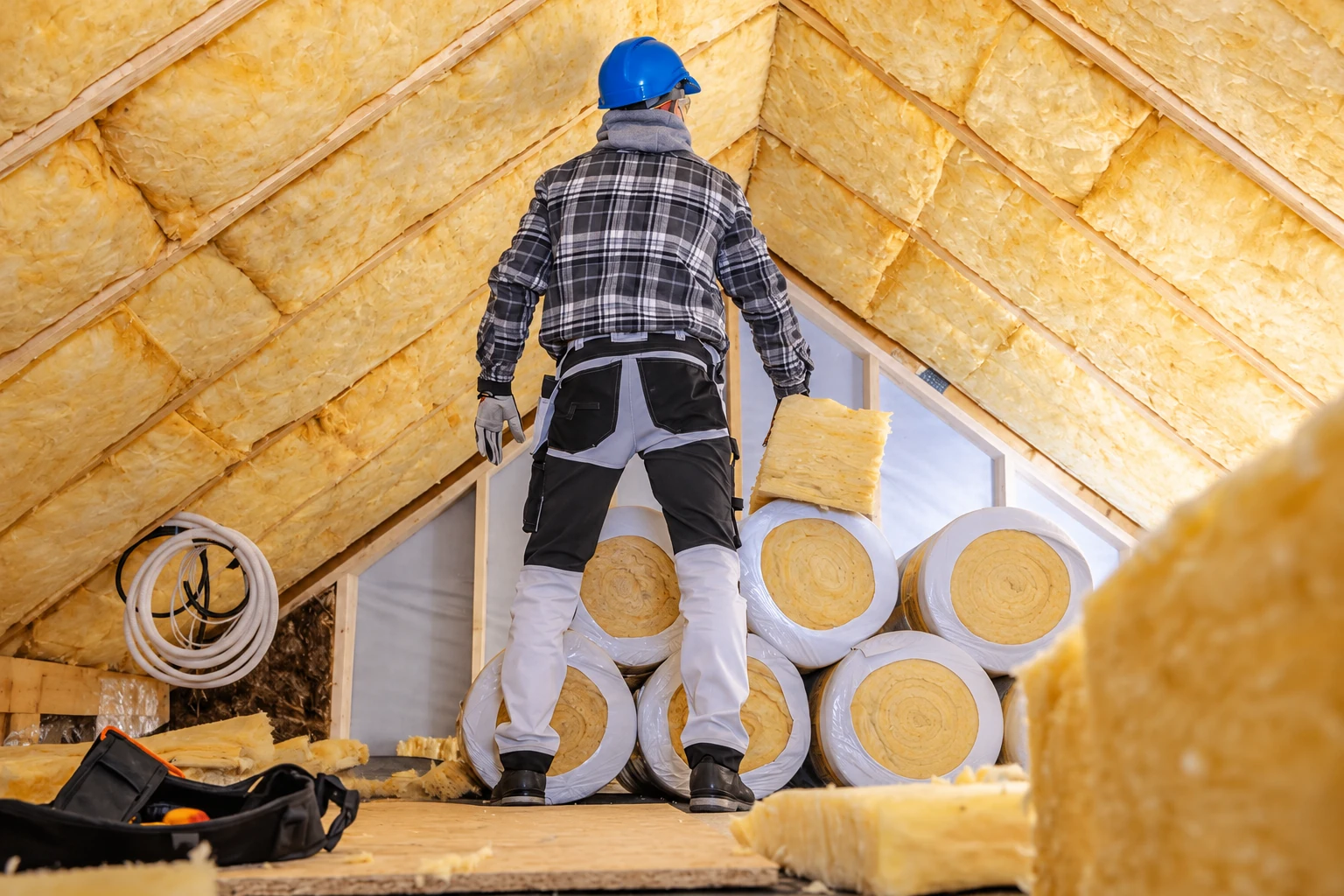
When an older house has thin or uneven insulation in the attic and walls, a retrofit brings it up to where it should be once the leaks are closed.

Spray foam insulation

For attics with ductwork or awkward framing, foam handles the sealing and the insulating in one layer, at a higher cost than loose fill.

Cities where we seal attics

We seal attics in San Rafael and in cities around Marin and nearby. The cities below have their own page. If yours isn't listed, call and ask.

Attic air sealing questions from San Rafael homeowners

How do I know if my house needs attic air sealing?

Your house is a likely candidate if you have drafty rooms, rooms that never feel the same temperature, high heating or cooling bills, very dry winter air or a lot of dust. Dust in rooms right under the attic is worth watching. If you notice several of these, it's worth having someone look.

What has to be fixed before sealing an attic?

Wet insulation from a roof leak, moldy or rotted rafters and vents blowing damp air into the attic all get fixed first, by a professional. So does an attic with little or no ventilation. Knob and tube wiring, used before 1930, can be a fire hazard where it touches insulation, so it gets dealt with first too.

Should I seal my attic or insulate it first?

Seal first, then insulate. The EPA recommends finishing the insulation after the air sealing, because insulation laid over open gaps still has air moving through it. If you're planning both, book them in that order.

Is attic air sealing safe if I have a gas furnace or water heater?

Yes, as long as the appliances are tested. Sealing can sometimes make gas or oil appliances that vent on their own push exhaust back into the house. ENERGY STAR suggests having a Home Performance Contractor test that they vent properly before and after the work. Tell me about yours at the estimate so the test is part of the plan.

What if my attic has vermiculite insulation?

Leave it alone. The EPA recommends not disturbing vermiculite, since it may release asbestos fibers. If you decide to have it removed, a trained and accredited asbestos abatement contractor should do it, separate from whoever assessed it. We won't disturb it.

How much does attic air sealing cost in San Rafael?

I give you a price after I've been in your attic, because the cost depends on what's up there. The biggest swings come from how much old insulation has to be moved or hauled out, whether a roof or vent repair comes first, how tight the space is at the eaves, and whether foam makes more sense than caulk and loose fill.

How long will the crew be in my attic, and how do I get ready?

That depends on the size of the attic and how much has to come out of the way, and I'll tell you once I've seen it. To get ready, clear a path to the hatch and move stored boxes out of the attic if you can, so our crew can reach the edges where the big leaks are.

Have me check your attic first

Call (628) 234-2144 or use the form, and mention any gas appliances, vermiculite or old wiring you know about so I come ready to look for them.

(628) 234-2144Request an estimate