Comfort San Rafael Insulation ServicesComfort San Rafael Insulation Services

Insulation removal in San Rafael CA - old insulation out, attic ready to seal

Old attic insulation that's wet, moldy or full of droppings comes out first, so the space can be sealed and insulated right.

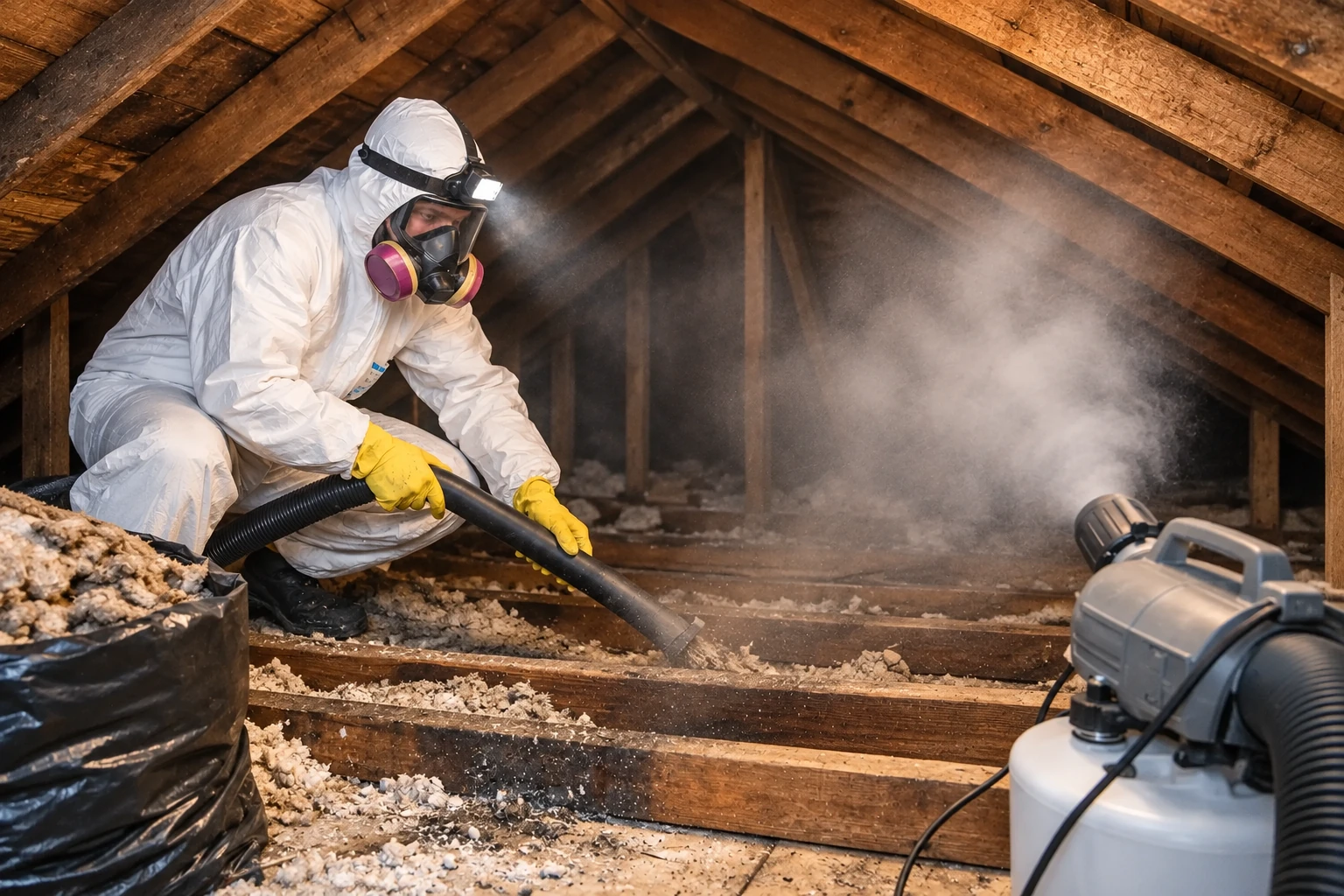
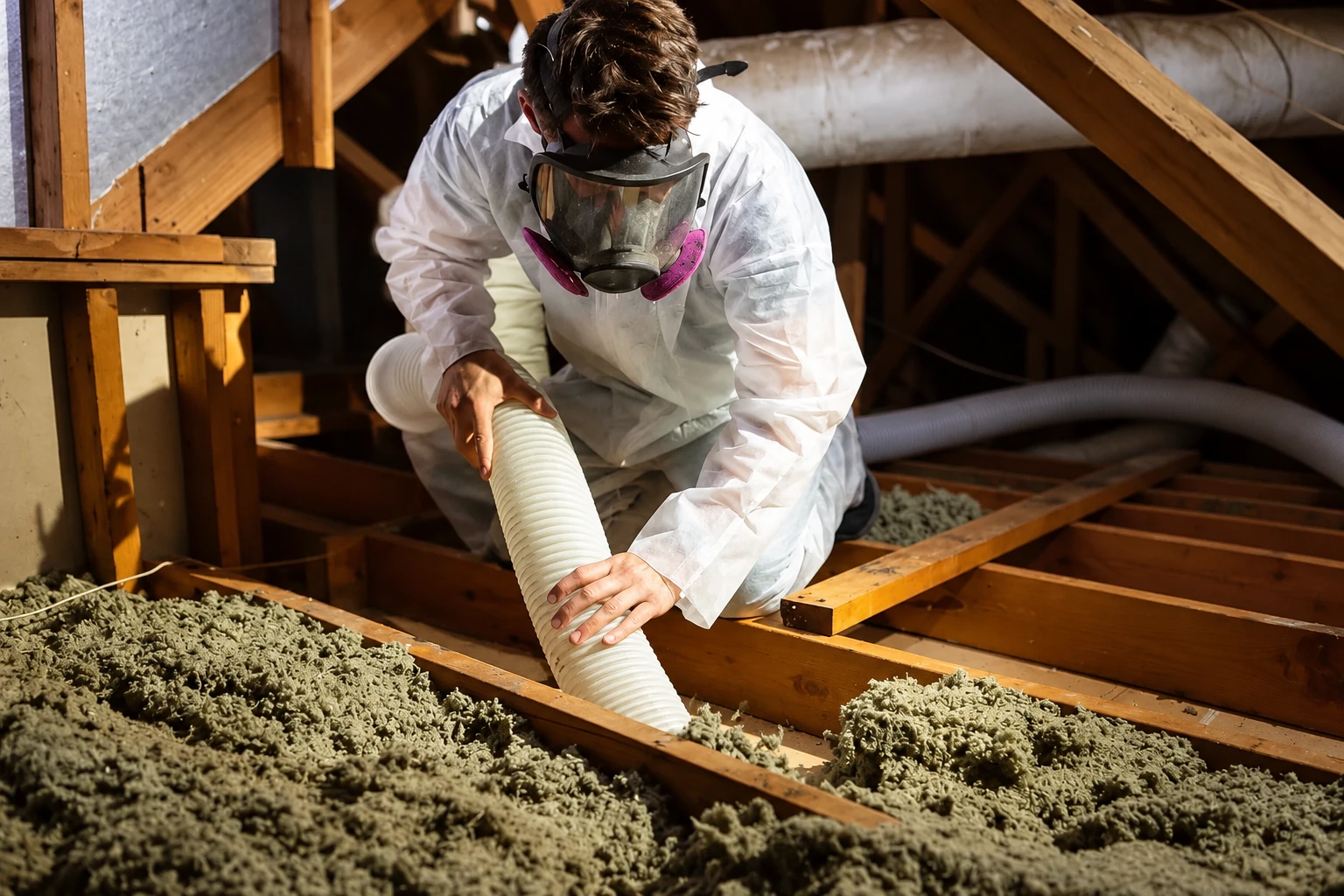
A worker in protective gear removes loose attic insulation through a wide flexible hose.

Insulation removal in San Rafael means our crew takes the old insulation out of your attic so the framing and gaps under it are out in the open, we can seal what's leaking, and new insulation goes over a clean, dry space.

What does insulation removal in San Rafael involve?

Comfort San Rafael Insulation Services is based in San Rafael, and we work in cities across Marin and nearby. Most calls come from owners of older homes with cold rooms, a high power bill or attic insulation they don't trust anymore. Old insulation hides things like water stains, droppings and holes around pipes, so taking it out is often the only way to see what the attic needs.

The price mostly comes down to how big the attic is, what kind of insulation is up there, how deep it is and what shape it's in. Those same things set the schedule, along with how easy the hatch is to get through and whether we find something that has to be fixed first. I put your figure in writing after I've been in your attic, not before.

What decides how big a removal job is

Two attics the same size can be very different jobs. These are the things I check when I'm up there, and why each one changes the work.

Loose fill or batts

Blown-in insulation, the loose fill that went in through a hose, can usually be vacuumed out if it's in decent shape. Batts, rolls and rigid boards come out by hand, piece by piece, so they take more labor and make for a bigger job.

What's under the old layer

Once the old material is out, the problems show. Water stains, mold on the framing, droppings and open gaps around can lights, pipes and the hatch all get dealt with before anything new goes in, because insulation laid over a draft or a leak doesn't do much.

Eave vents and the edges

Old insulation is often packed into the eaves over the vents that let the attic breathe, and that traps moisture in the framing. It's also usually deep in the middle and thin at the edges, which is backward, so we clear the vents and plan the new layer around them.

What happens after you call about insulation removal?

Here's how a removal job goes from your first call to the walk-through at the end, and who you'll be dealing with at each step.

  1. 1

    Call or send a message

    Call (628) 234-2144 or use the contact form and tell us what you've noticed, like a cold room, a musty smell or droppings near the hatch. It helps to know roughly how old the house is.

  2. 2

    I inspect and write it up

    I come out myself, go up into the attic and look for anything that has to be fixed first. Then I write up an estimate that shows what comes out, what can stay and what goes back in.

  3. 3

    We prep, remove and seal

    If you go ahead, we handle any permit the job needs and prep the space and the path through your house. Then our crew pulls the old insulation, seals the gaps and puts in the new layer.

  4. 4

    Walk through the finished attic

    Before we leave, I walk you through what we took out, what we sealed and what we put in, so you know what's up there now and what to keep an eye on.

Request an estimate

How we handle insulation removal

Old insulation comes out when it's wet, moldy, burned or full of pests. Insulation that's still dry and sound can often stay, and pulling it out just to start fresh usually isn't worth what it costs. I'll tell you which parts of your attic are which, and sometimes that means we clear a few sections instead of the whole thing.

If I see what looks like vermiculite, we stop right there and send you to an asbestos contractor, since that's not ours to pull out. Once the bad material is gone, we do the air sealing, closing the gaps around lights, pipes and the hatch, before anything new goes in. That order is the whole reason to take it out.

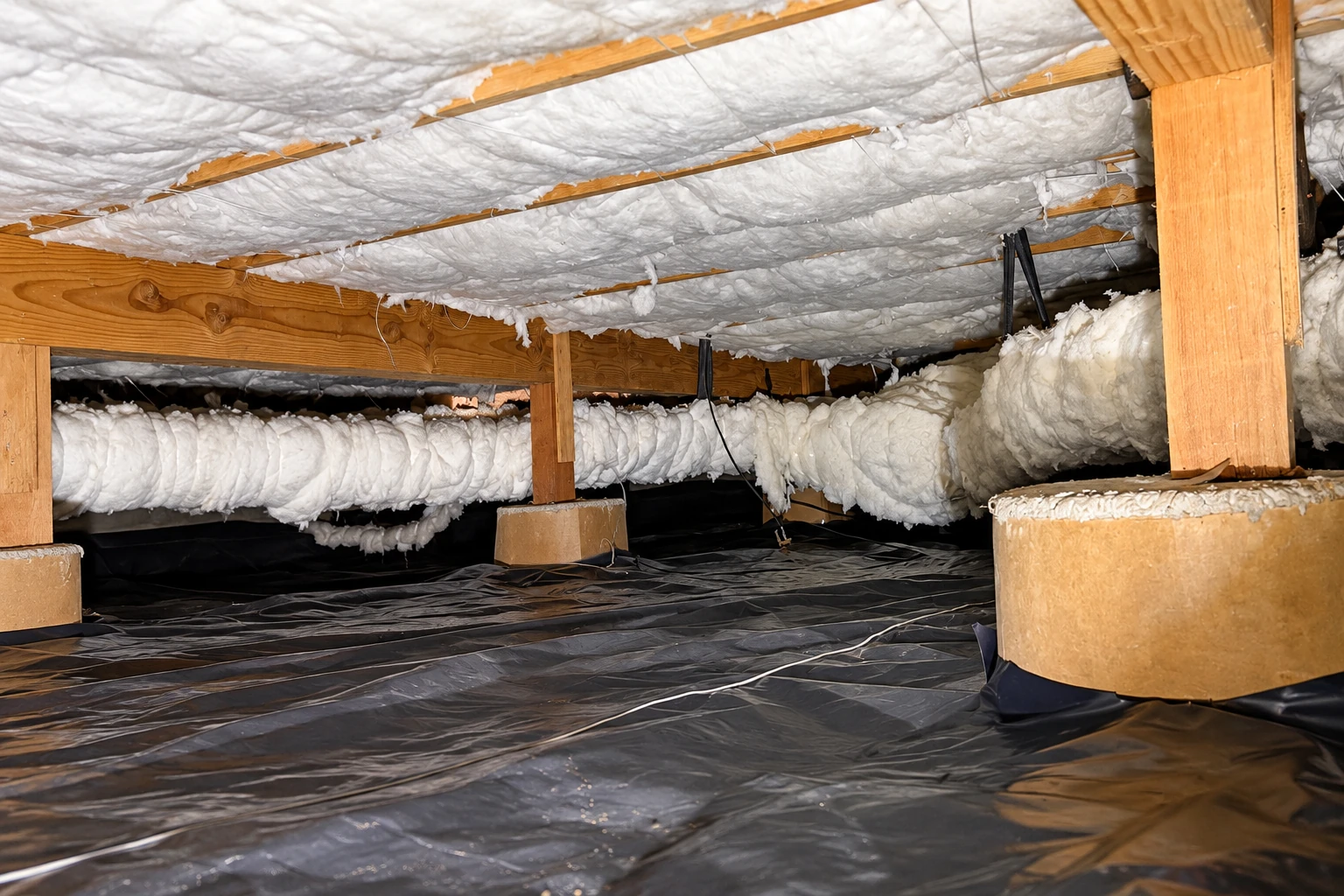
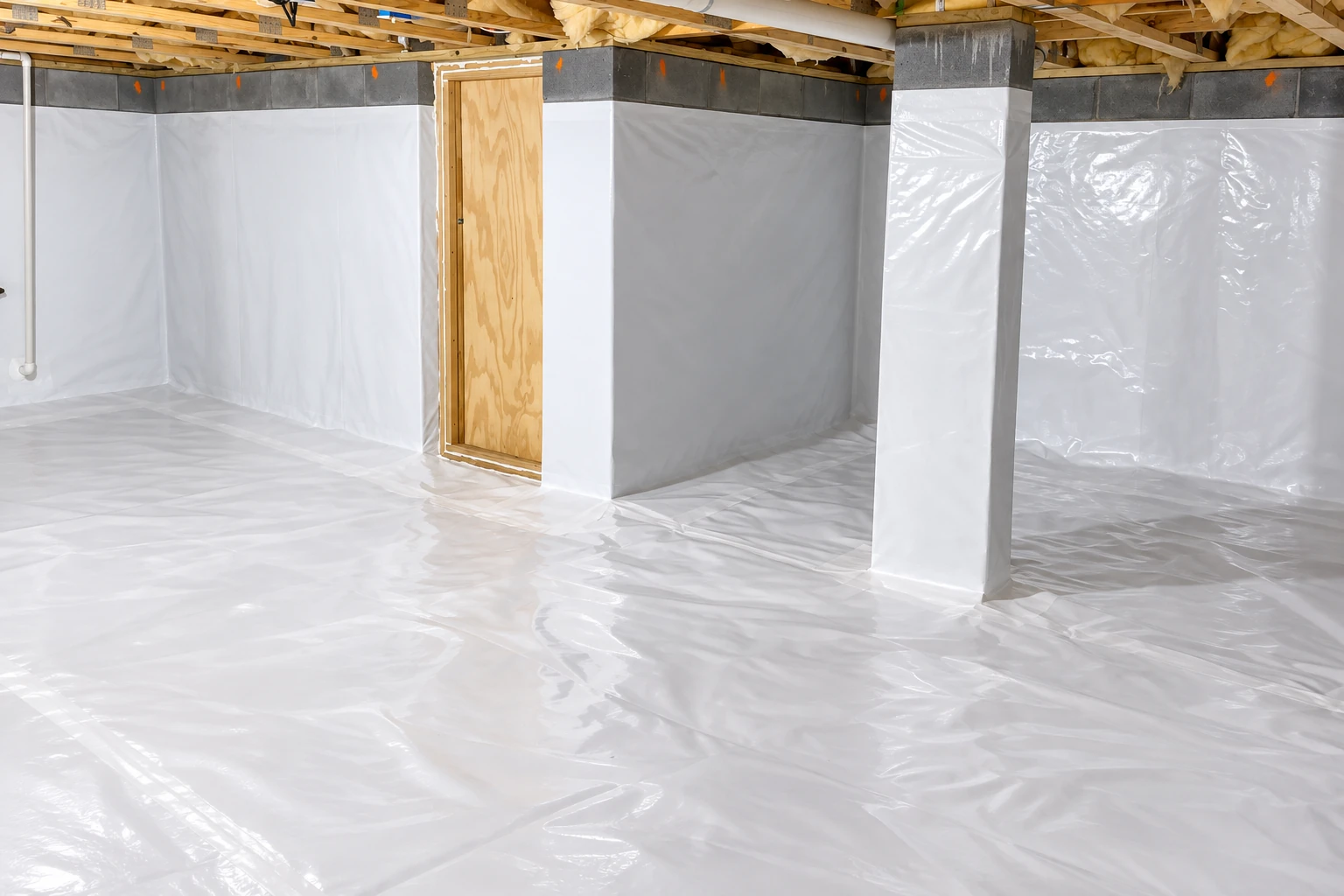
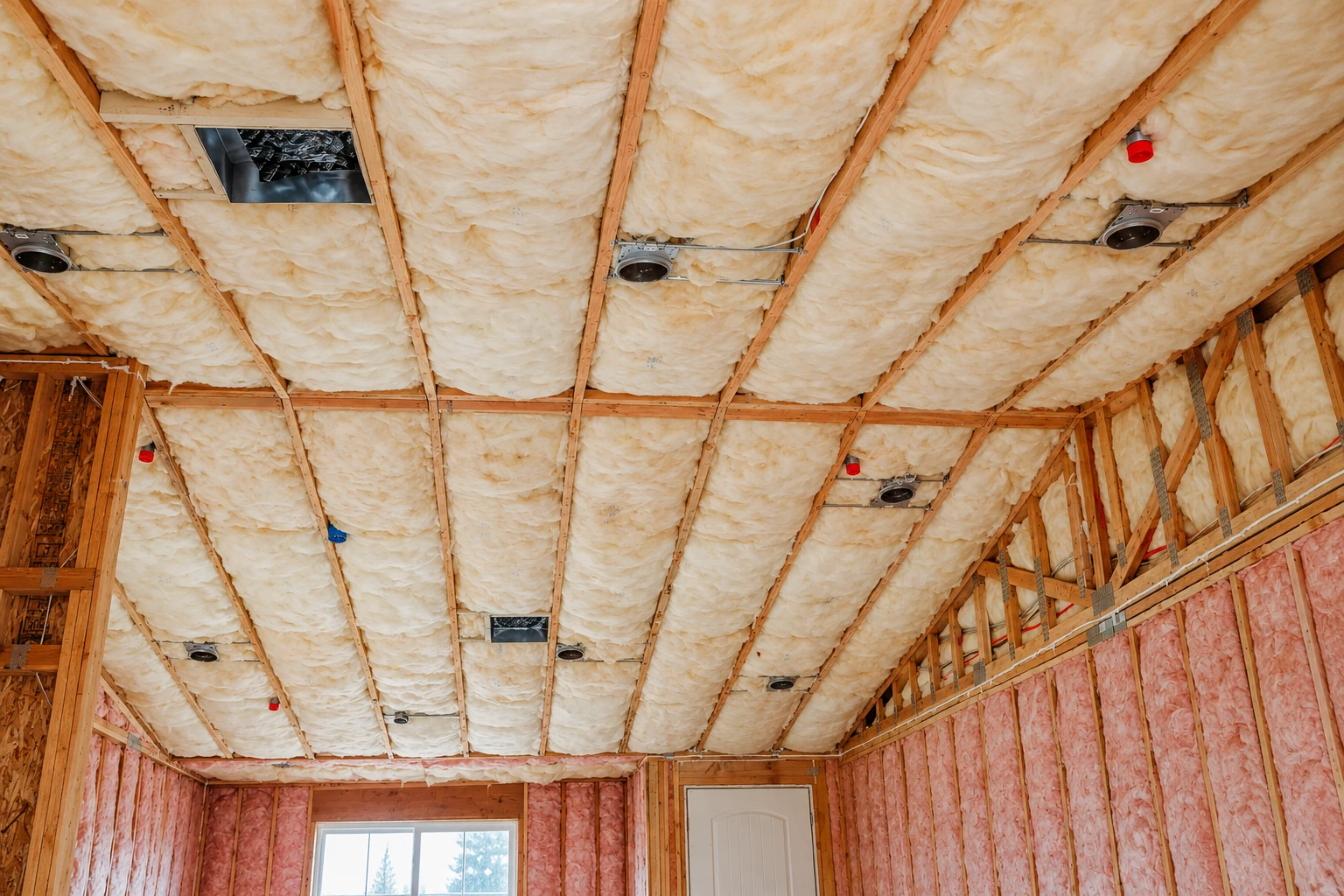
An open attic is also a good time to think about the rest of the house. Cold floors usually come from below, which is a crawl space insulation job. Rooms that stay drafty after the attic is done often have empty walls, and that's where wall insulation comes in.

Seal and blow in loose fill

For most attics, sealing the gaps and then blowing in fresh loose fill is the better buy. It costs less than foam and does the job well, as long as the leaks are closed first.

Foam when ducts are up there

Spray foam costs more, but it seals air while it insulates. If your heating ducts run through the attic, foam can be worth it, because it puts the ducts inside the insulated part of the house.

Get a written estimate for removing your attic insulation

We reply within one business day. I come out to your home, go up into the attic and write up a free estimate, and there's no obligation to go ahead. If you can, tell us roughly how big the attic is, what kind of insulation is up there and where you've seen mold, water or pests.

(628) 234-2144

hello@sanrafaelinsulation.com

Insulation removal rules in San Rafael

In San Rafael, the city's Building Official issues permits to build, alter, repair or demolish a building, and that list doesn't name insulation removal, so it isn't settled whether your job needs one. The Building Official is the one to ask. When a job does need a permit, we pull it through the office that covers your address and set up the inspection, and if it's unclear for yours, I'll find out before we start.

In California, a contractor doing asbestos work on 100 square feet or more needs the C-22 asbestos abatement classification from the state licensing board, or a license whose qualifying person has passed the board's asbestos exam, and must be registered with the state. Where the Bay Area Air District's rule applies, it has to be notified at least 10 business days before that much asbestos comes out, or 72 hours ahead with an added fee for homes of four or fewer units.

Most attics we open here, and in older homes in San Anselmo and Mill Valley, belong to lived-in houses with boxes stored up top and insulation that's packed down over the years. We go through the same steps in every one, looking first and pulling only what has to go.

Why San Rafael homeowners call Comfort San Rafael Insulation Services for removal

I spent my first years in the trade insulating new houses, which taught me how insulation is supposed to go in. I started this business in 2023 to work on lived-in homes, and in the three years since, I've seen that leaks and problems have to be dealt with first or the new stuff doesn't do much. I'd rather tell you your attic isn't ready than sell you a job that won't help.

I come out myself to look at the job and write the estimate. Our crew does the install, and I'm on site running it. We're licensed and insured. Every job is backed by our satisfaction guarantee. To get started, call (628) 234-2144 or send us a message.

Crawl space insulation

If the floors stay cold after the attic is finished, the heat is likely slipping out underneath the house.

Wall insulation

Older walls that were never filled can keep a room drafty even with a fresh layer overhead.

Cities where we remove old insulation

We're based in San Rafael and work across Marin and nearby, from Petaluma down to Strawberry and over to Richmond and Berkeley. If your city isn't named here, call and ask.

Questions about removing attic insulation

Does my old attic insulation have to come out before new insulation goes in?

Not always. Insulation that's still in good condition can stay under the new layer, so if yours is dry and clean, you may be looking at a partial removal or a smaller job. Whether it's all or some comes down to what I find when I'm up there.

How much does insulation removal cost in San Rafael?

National cost guides put removing old attic insulation at about $1,600 to $3,600 per job across the US. That's the going rate for the work, not our price. Yours depends on the things covered above, and I'll put it in writing after I've seen your attic.

What should I do if my attic has vermiculite insulation?

Leave it alone and have an asbestos contractor handle it. Vermiculite is a pebble-like, pour-in fill, usually gray-brown or silver-gold, and the EPA advises hiring a professional asbestos contractor for any work that would disturb it. The EPA also recommends that the company removing it be separate from the one that assessed it, so there's no conflict of interest.

How long does it take to remove insulation from an attic?

Cost guides put attic insulation removal at anywhere from 4 hours to 2 days or more, depending on how big the attic is and how complicated the job is. I'll tell you what to expect for your attic when I write the estimate.

What do I need to do before the insulation removal crew arrives?

Clear personal items, storage boxes and anything valuable out of the attic before we come. Keep the hatch and the path to it easy to reach, since our crew and equipment will be going back and forth through that part of the house.

Find out what your attic needs first

Call (628) 234-2144 or send a message, because learning that some of your old insulation can stay may make the job smaller than you expect.

(628) 234-2144Request an estimate