Comfort San Rafael Insulation ServicesComfort San Rafael Insulation Services

Attic insulation in San Rafael CA - a ceiling that's sealed first, then covered

Hot upstairs rooms, cold floors or a high power bill? We fix and seal the attic first, then add insulation that does its job.

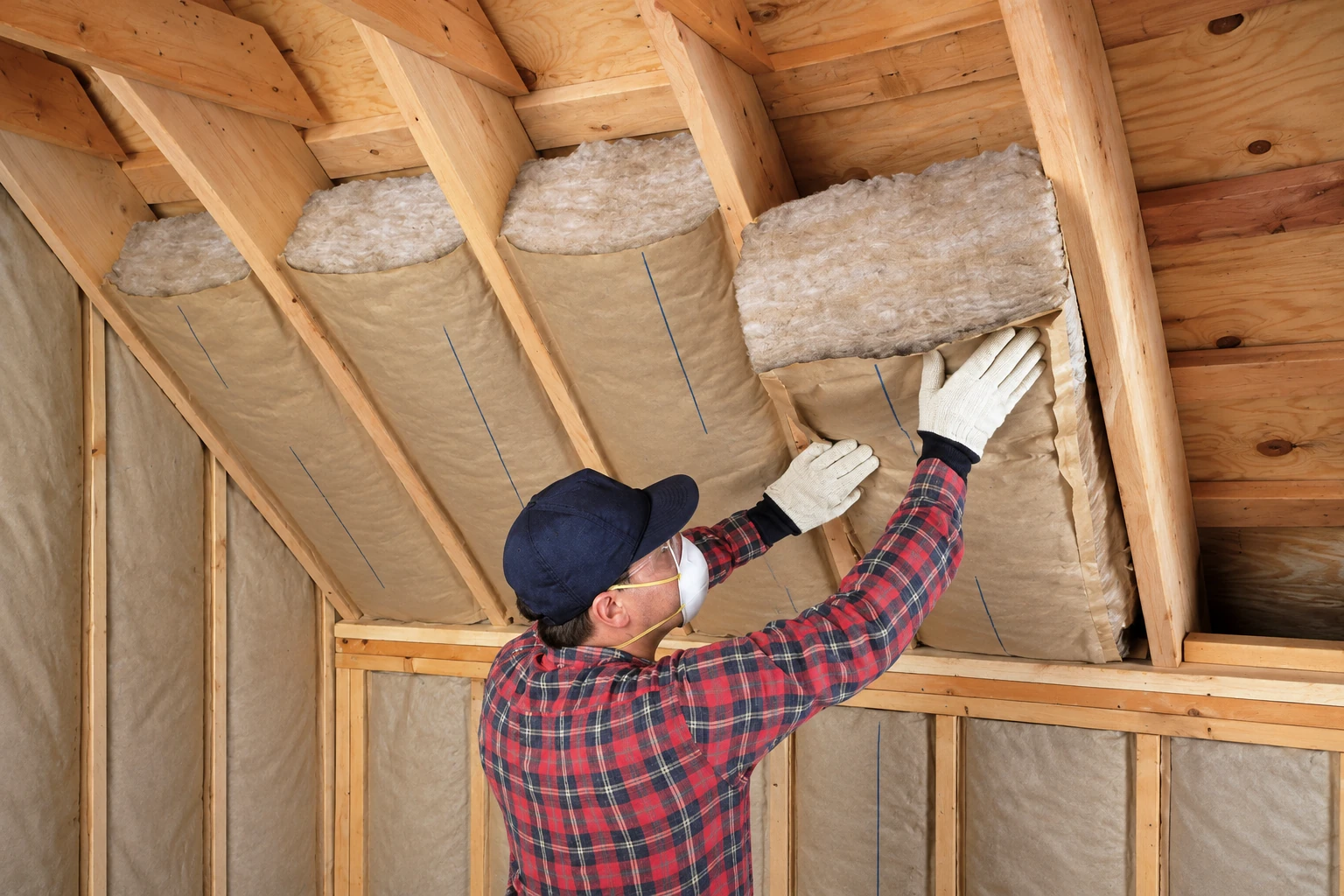
A masked worker fits fiberglass batts between the wooden rafters of an attic.

Attic insulation covers your whole ceiling from the attic side so heat moves through it more slowly, which keeps San Rafael homes cooler upstairs in summer and warmer in winter. A good job seals the gaps in the attic floor before any insulation goes in, because that also cuts the power bill.

Is my attic ready for new insulation?

Most of our calls come from owners of older homes with a hot upstairs, cold rooms in winter, a power bill that keeps climbing or old insulation they don't trust. Up in the attic there's usually a thin, uneven layer from years back, gaps around lights and pipes, and boxes sitting on top. Piling more insulation on that doesn't fix much by itself.

The price comes down to the size of your attic, how many inches are already up there, whether any of it has to come out and how many gaps need sealing. The schedule turns on the same things, plus anything that has to be fixed first and how much is stored up there. I write your estimate after I've been in the attic, so it fits your house.

What usually goes wrong in an attic

Most attics we open have been insulated before, sometimes more than once. These are the problems we run into most, and each one is a reason adding more on top isn't enough by itself.

Old insulation that has to go

If the old layer got soaked from a roof leak or is full of droppings, laying fresh material over it just buries the problem. When it's past saving, we take it out and clean the attic floor, so the new insulation starts on a clean, dry surface instead of on top of a mess.

Gaps that feed drafts

Warm air slips into the attic through gaps around can lights, plumbing pipes, wiring holes and the attic hatch. Insulation slows heat but doesn't stop moving air, so a layer laid over open gaps ends up fighting a draft. That's why we do air sealing, closing those gaps, before anything new goes down.

Buried vents and thin edges

A common mistake is insulation piled deep in the middle and thin at the edges, with the eave vents buried. That's backward. The edges over your outside walls need full coverage and the vents need room to breathe, or moisture shows up in the framing. Baffles, short channels at the eaves, keep both.

What happens after you call about your attic

Here's how a job goes from the first call to the walk-through, and who you deal with at each step. Most of the work happens before anything new goes into the attic.

  1. 1

    Call or send a message

    Call (628) 234-2144 or use the contact form and tell us what's going on, like a hot upstairs, a drafty room or old insulation you don't trust. We'll set up a time for me to come out.

  2. 2

    I inspect and write the estimate

    I come out myself and go up into the attic, and into the crawl space or walls if that's where the trouble points. I look for anything that has to be fixed first, then write up your estimate.

  3. 3

    We prep, seal and insulate

    If you go ahead, we handle any permit the job needs and prep the space. Once anything that had to come first is handled, our crew seals the attic floor and puts in the new insulation.

  4. 4

    Walk through the finished attic

    Before we leave, I walk you through what we did, where we sealed and how the new layer sits, and point out what to keep in mind if you store things up there again.

Request an estimate

How we put in attic insulation, and why in that order

Before I quote, I check the attic for roof leaks, old wiring, bath fans blowing into it and whatever's stored up there. Those get handled first, because new insulation over a leak or an old live wire just hides a problem you'll pay for later. If your attic isn't ready, I'll tell you so, and what it takes to get it there.

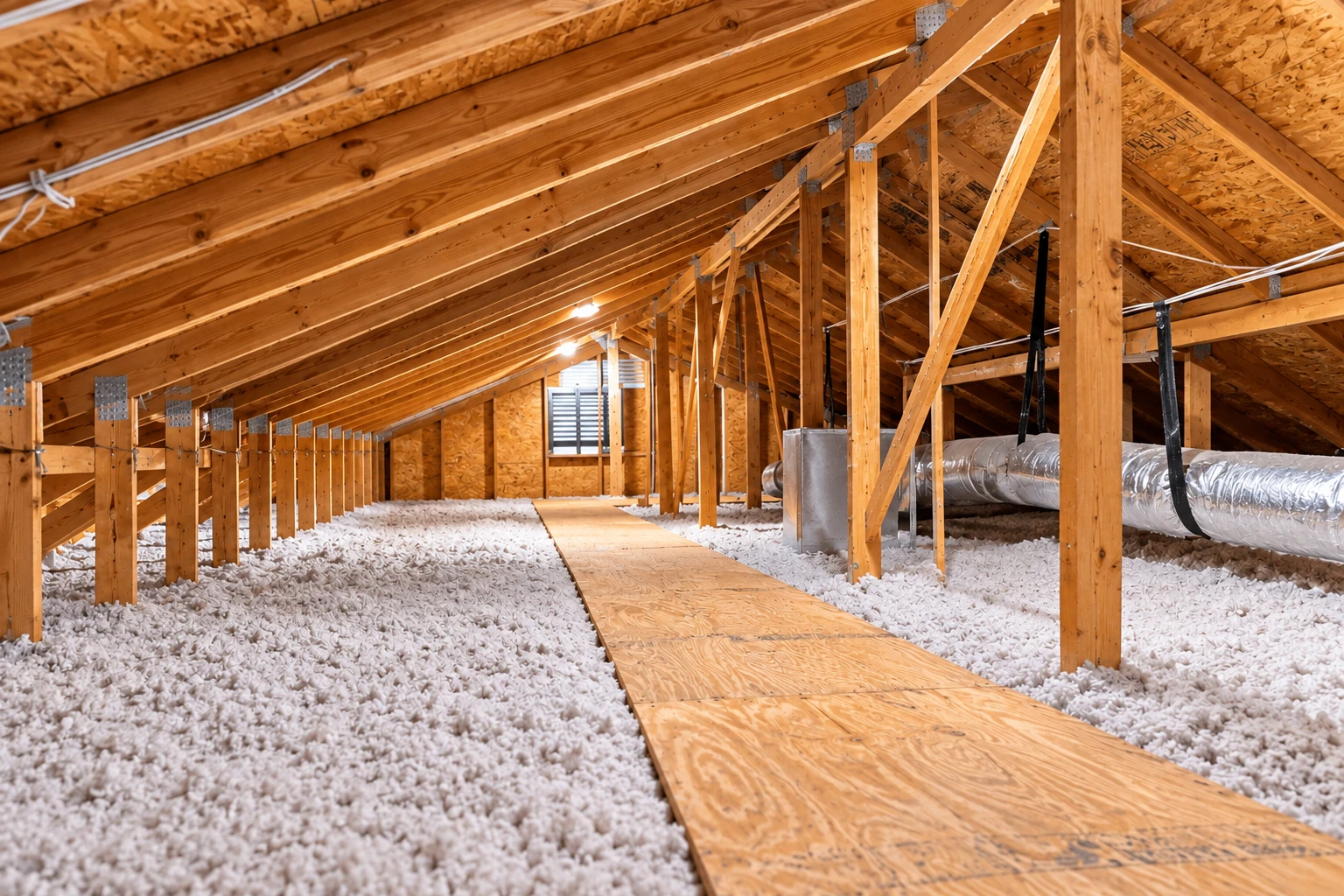
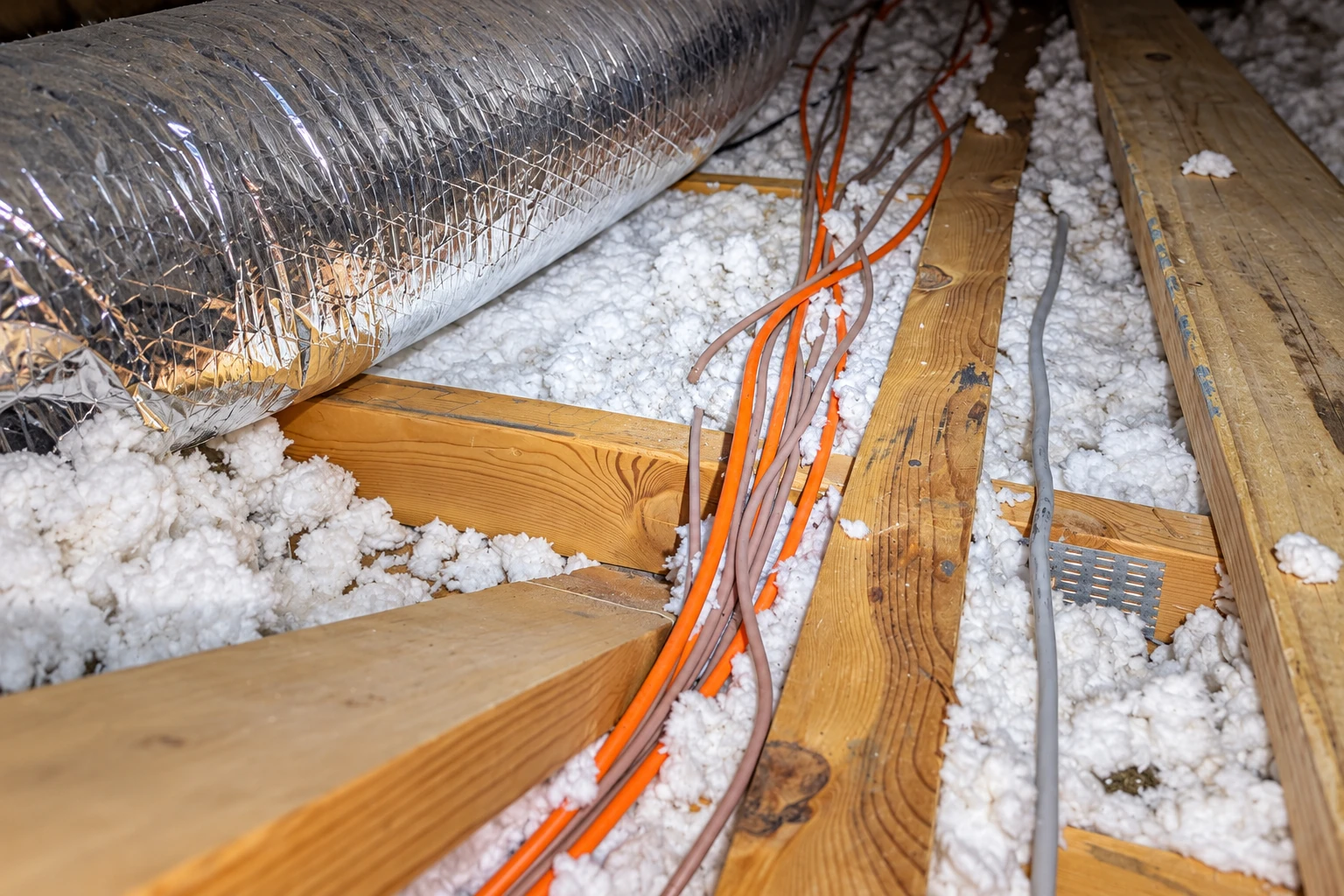
Then we seal the attic floor, and only then add the new layer. On most attics we top up with blown-in insulation, loose fill blown through a hose, so it settles around the framing and into the corners and runs full depth out to the edges instead of piling up in the middle.

The attic is often the best place to start, but it isn't always the whole story. If the floors over the crawl space stay cold or one room never warms up, we can look at the rest of the house as part of home insulation and tell you which part is worth doing first.

Seal and top up loose fill

For most attics, sealing the gaps and blowing loose fill over a sound old layer gives you the most for your money. It's what I recommend unless something in the attic points another way.

Foam when ducts are up there

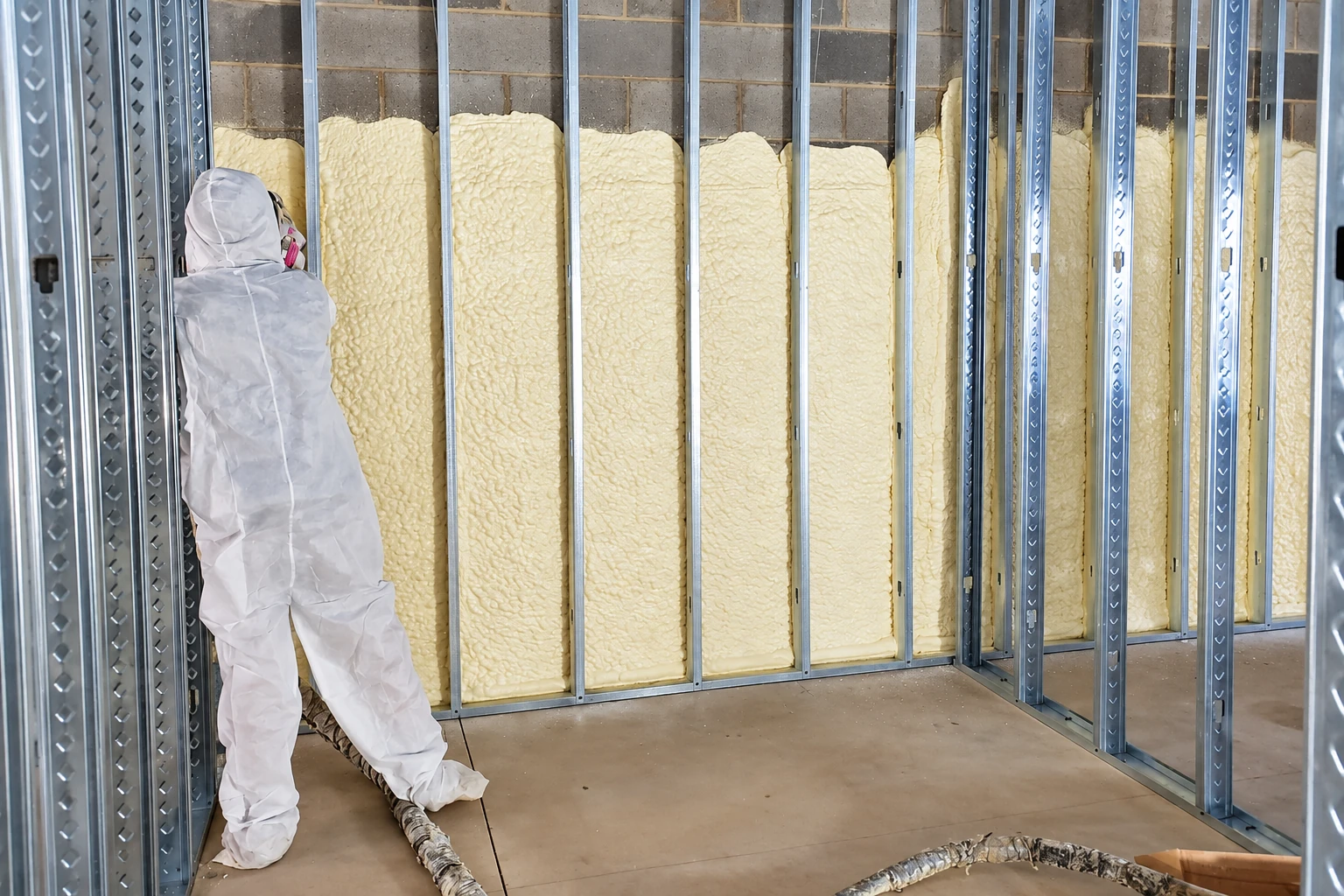
Foam costs more, but it seals air while it insulates. When your heating ducts run through the attic, foaming the underside of the roof can bring them into the warm side of the house, and that's when I'd consider it.

Get an attic check and a written estimate

Send the form and we'll get back to you within one business day to set a time. I'll come out, go up into the attic and write up a free estimate at your home. There's no obligation to go ahead.

(628) 234-2144

hello@sanrafaelinsulation.com

Attic insulation rules and houses in San Rafael

In San Rafael, the city's Building Official issues the permit you need before altering or repairing a building, except for work the city exempts. Not every attic job is the same, so I find out whether yours needs one before we start, and when it does, we pull the permit through the city and set up the inspection.

Even work that's exempt from a building permit can carry conditions from the city's Planning Division, Fire Prevention Bureau or Public Works Department. California's Energy Code also sets efficiency requirements when you alter an existing house, not only for new ones. I'd rather have all of that sorted before the crew shows up than find out halfway through.

We're based in San Rafael and work in cities across Marin and nearby, from Petaluma down to Strawberry and over to Richmond and Berkeley, including San Anselmo and Novato. A lot of the attics we see are in older houses, with old fill added over the years, boxes on top and can lights from a remodel, so the sealing usually takes more care than the insulating.

Why San Rafael homeowners call us for attic insulation

I spent my first years in the trade insulating new houses, with the walls open and nobody living there yet, and that's where I learned how insulation is supposed to go in. I started this business in 2023 to work on lived-in homes around San Rafael. Those homes taught me the rest. Leaks and problems get dealt with first, or the new stuff doesn't do much.

I come out myself to look at the attic and write the estimate. Our crew does the install, and I'm on site running it, so the person who quoted your job is the one checking the work. California's contractor licensing board has a classification for contractors who install insulation for heat or sound control. We're licensed and insured. The work is backed by our satisfaction guarantee.

If you want someone to go up there and tell you plainly what your attic needs, and what it doesn't, call (628) 234-2144 or send a message through our contact form. We pick up every day from 8 AM to 9 PM, so you can reach us after work.

Blown-in insulation

If your attic has an old layer worth keeping, blown-in fill is the usual way to bring it up to depth without tearing anything out.

Home insulation

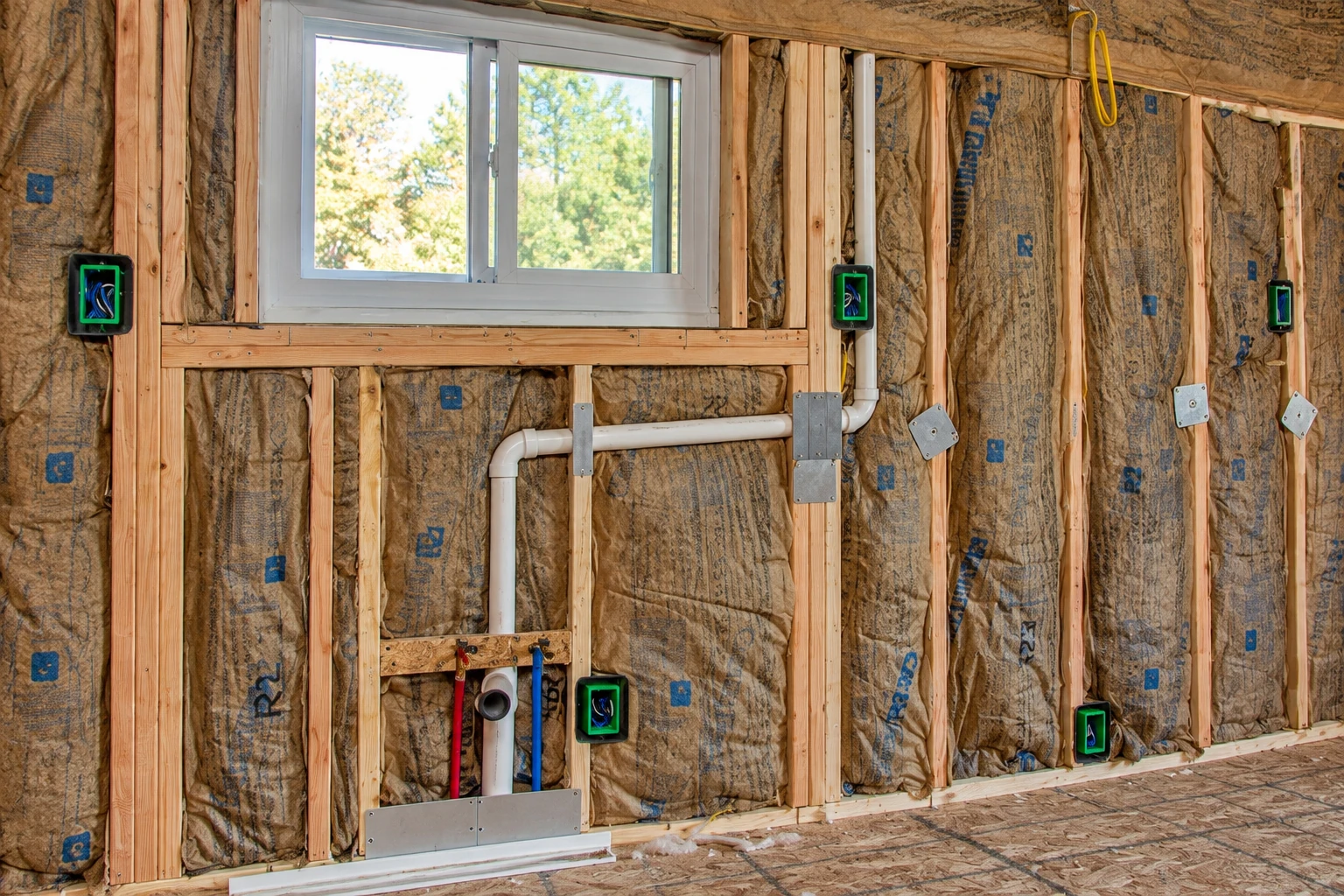
If the attic is done and the house still feels drafty, the walls and crawl space are where we'd look next.

Cities with their own page on this site

The cities below have their own pages, with what we see on jobs there. They aren't the only places we work, so if yours isn't listed, give us a call and ask.

Questions about attic insulation in San Rafael

How much does blown-in attic insulation cost in San Rafael?

Blown-in insulation in San Francisco usually costs about $3 to $9 per square foot, which is the nearest market figure we have and not our price. Where your attic lands turns on its size, how much old material has to come out and how much sealing and repair it needs. I'll give you a price for your house once I've been up there.

Should my attic be sealed before adding insulation?

Yes, in a vented attic every opening through the attic floor should be sealed before insulation goes in. Sealing saves energy and helps keep moisture problems out of the attic, so ask for it in every quote you get. We block big holes and open soffits with solid material, put metal blocking and collars around hot flues and cover can lights that aren't rated to sit in insulation.

What if my attic has vermiculite or old knob and tube wiring?

Both have to be dealt with before any insulation goes in. Federal guidance puts active knob and tube wiring and vermiculite on the list of things to handle first. Vermiculite looks like gray-brown or silver-gold pebbles, and if the work would disturb it, the advice is to hire a professional asbestos contractor to handle or remove it before our crew starts.

Where do I find San Rafael permit requirements for attic work?

The City of San Rafael lets you look up permit requirements, apply and schedule inspections online through the city's building permits page. That's the place to check if you're curious. If you hire us, we take care of the permit side, as covered above.

Do I need to clear out my attic before insulation goes in?

If a lot is stored up there, yes, it has to come out so we can reach the whole attic floor. Plan where the boxes will go while we work, and tell me if anything is too heavy to move. Floorboards over the attic floor also come up for sealing, and if they're holding something up, that support gets replaced first.

How long will the crew be in my attic, and do we have to leave?

Most of the time goes into prep, sealing and any repairs that come first, not into blowing in the new layer, and I'll go over the schedule with you when I come out. With loose fill you usually don't need to leave. Spray foam is different and comes with a re-entry time, a wait before you can go back inside.

Book an attic check in San Rafael

Call (628) 234-2144 or use the form, and if you know the attic's rough size or have spotted a ceiling stain or old pour-in fill, mention it so I know what to look for when I come out.

(628) 234-2144Request an estimate