
Spray foam insulation
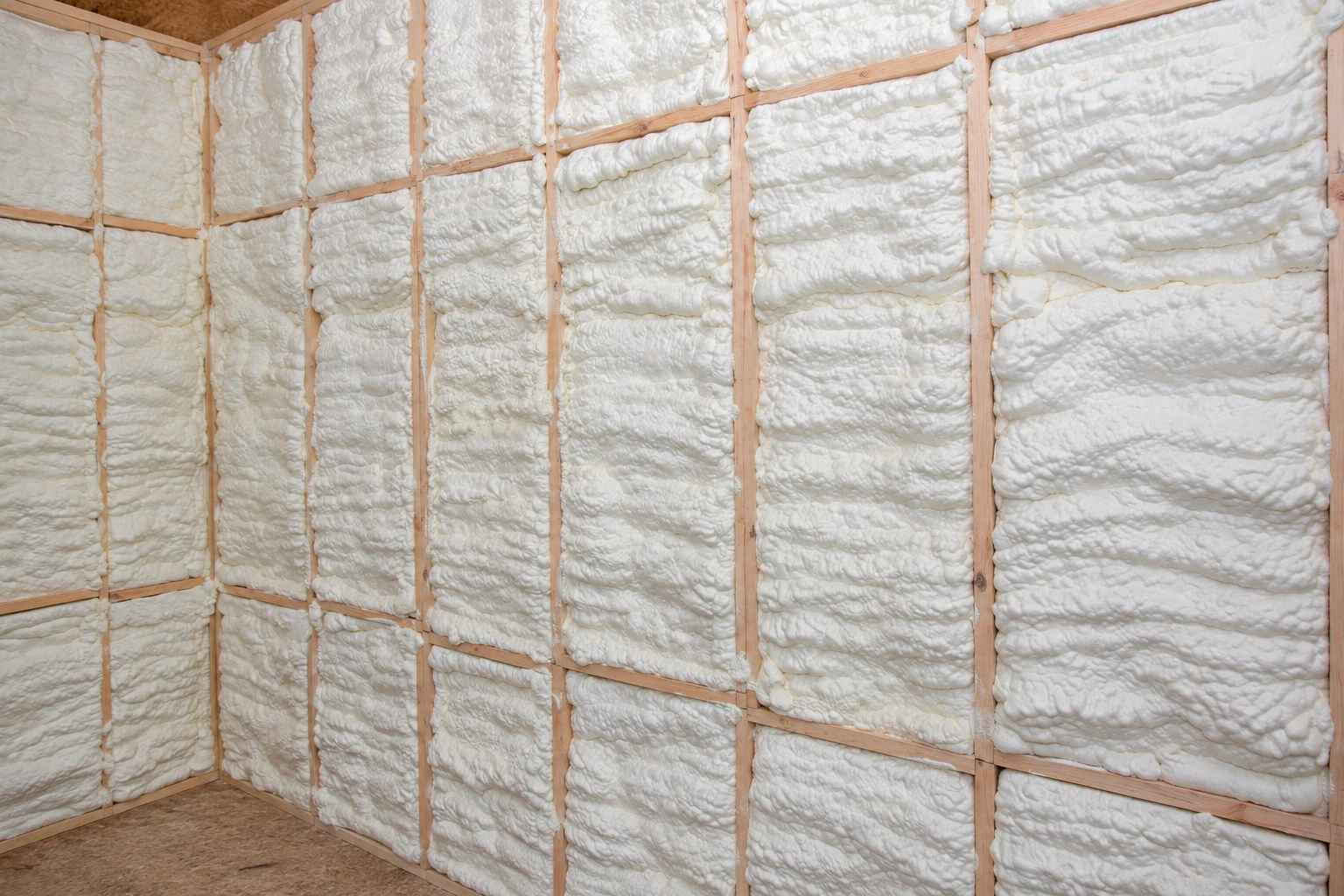
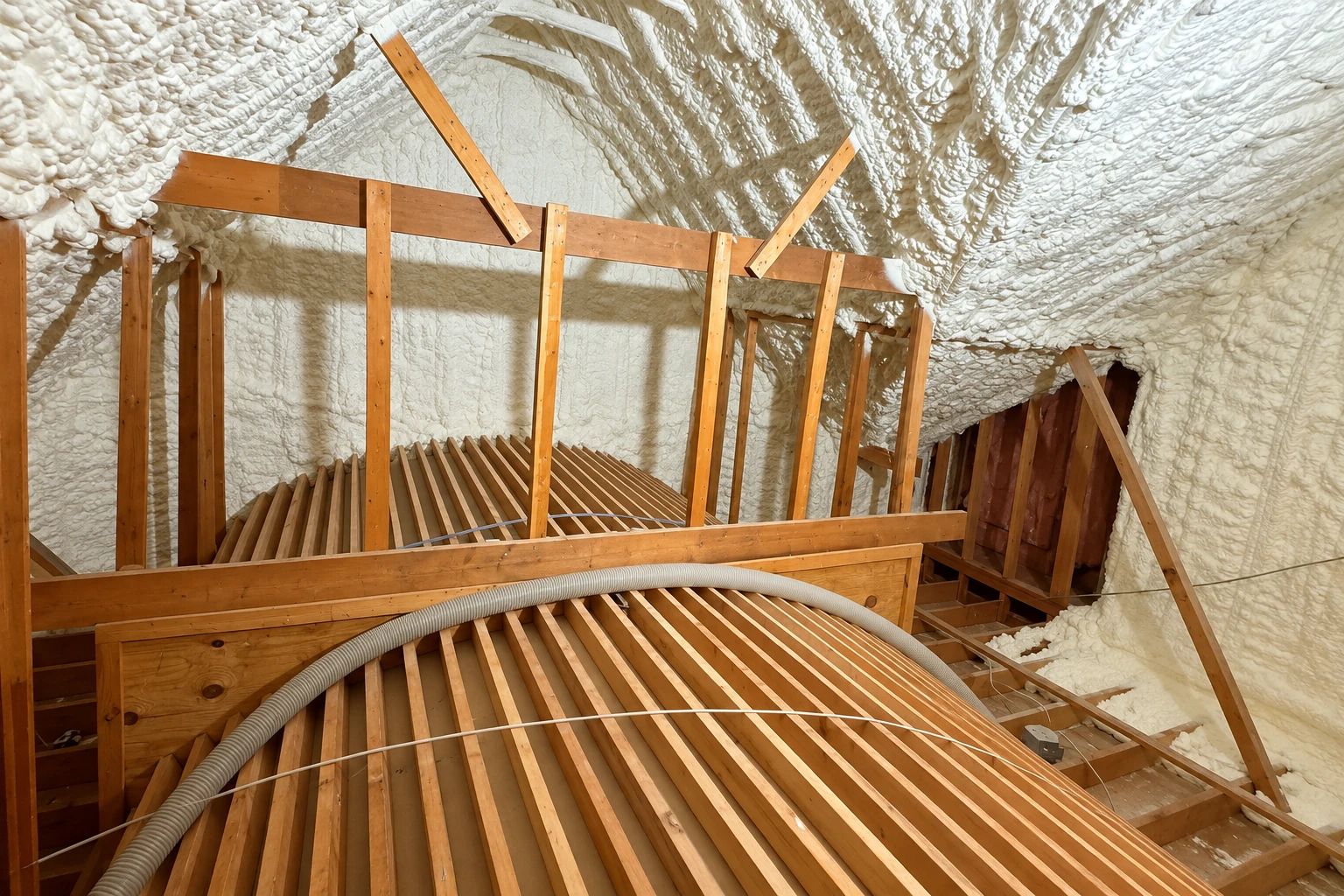
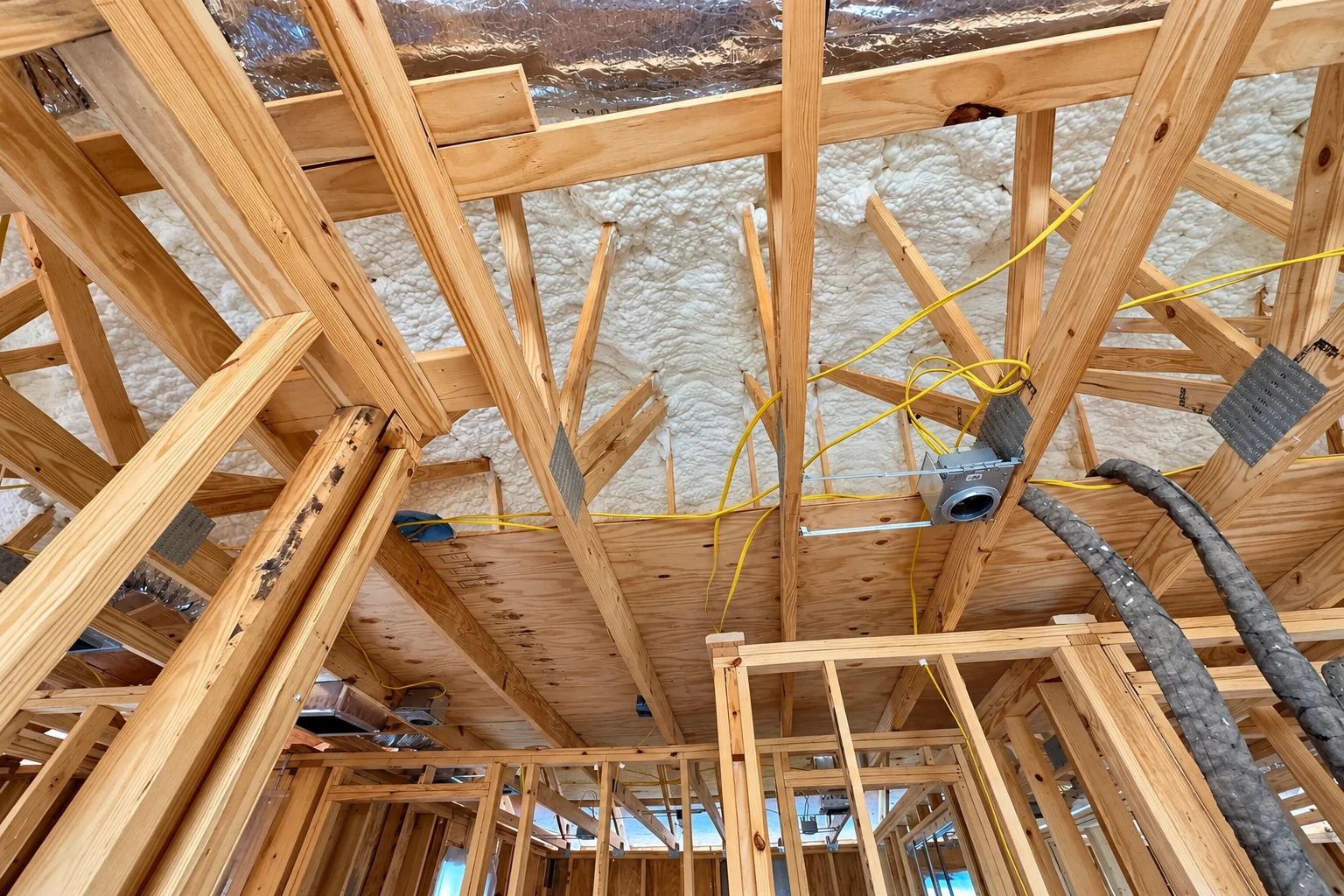
Spray foam fits the rafters when your ductwork runs through the attic, because it seals air and insulates in one pass. It costs more, so I suggest it only there.
Comfort San Rafael Insulation Services is an insulation contractor based in San Rafael that works in Mill Valley homes. We seal and fix attics and crawl spaces first, then add insulation where your house is losing heat.
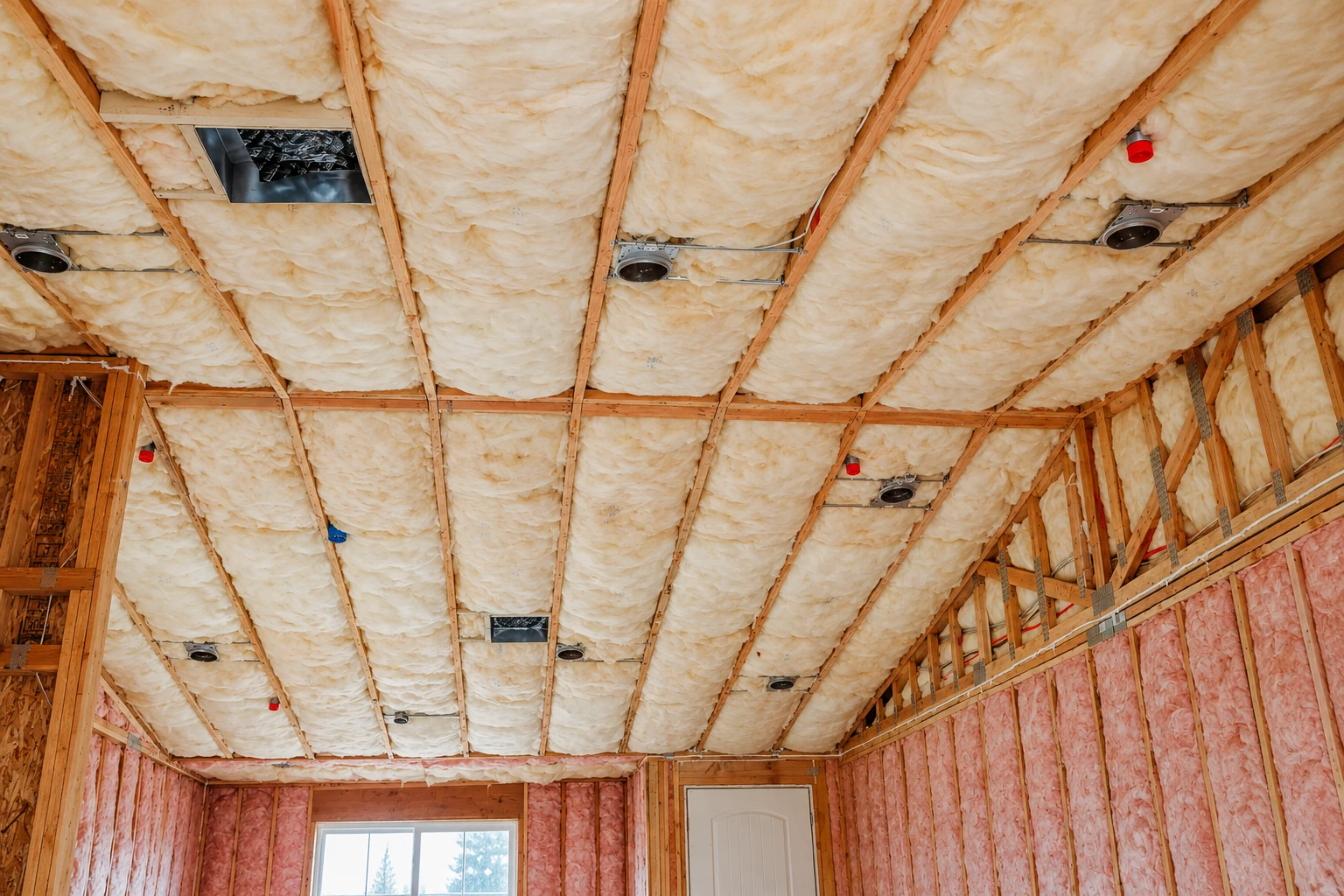
In Mill Valley, we insulate attics, crawl spaces, walls and the room over the garage, and we pull out old insulation that's past saving. I run Comfort San Rafael Insulation Services, and most calls here start with a cold floor, a hot upstairs or a power bill that keeps climbing.
Most of the houses I look at here are older and lived in. The attic has whatever went in years ago, deep in some spots and a couple of inches or nothing in others, plus the boxes. I check how many inches are already up there, whether it's dry and clean, and where air is coming through before I suggest anything.
Cold floors usually send me under the house. In a crawl space I look for dripping pipes, damp ground, a missing vapor barrier and insulation that's fallen out of the floor framing, because new insulation over a wet space just holds the water. It's the same order of work we follow in San Anselmo and Larkspur, drying and sealing first and insulating last.
Spray foam fits the rafters when your ductwork runs through the attic, because it seals air and insulates in one pass. It costs more, so I suggest it only there.
If upstairs runs hot in summer and cold in winter, the attic is usually the first place to look. We seal it, clear the vents, then bring the coverage up evenly.
Blown-in insulation is loose fill blown through a hose, and it's how we top up most attics. We keep it even out to the edges, where old coverage is usually thinnest.
When several rooms feel drafty, I look at the attic, walls and floors together and tell you which one is worth doing first and which isn't worth paying for yet.
Old insulation that got soaked or is full of droppings has to come out before anything new goes in. Otherwise the problem stays, just buried under fresh material.
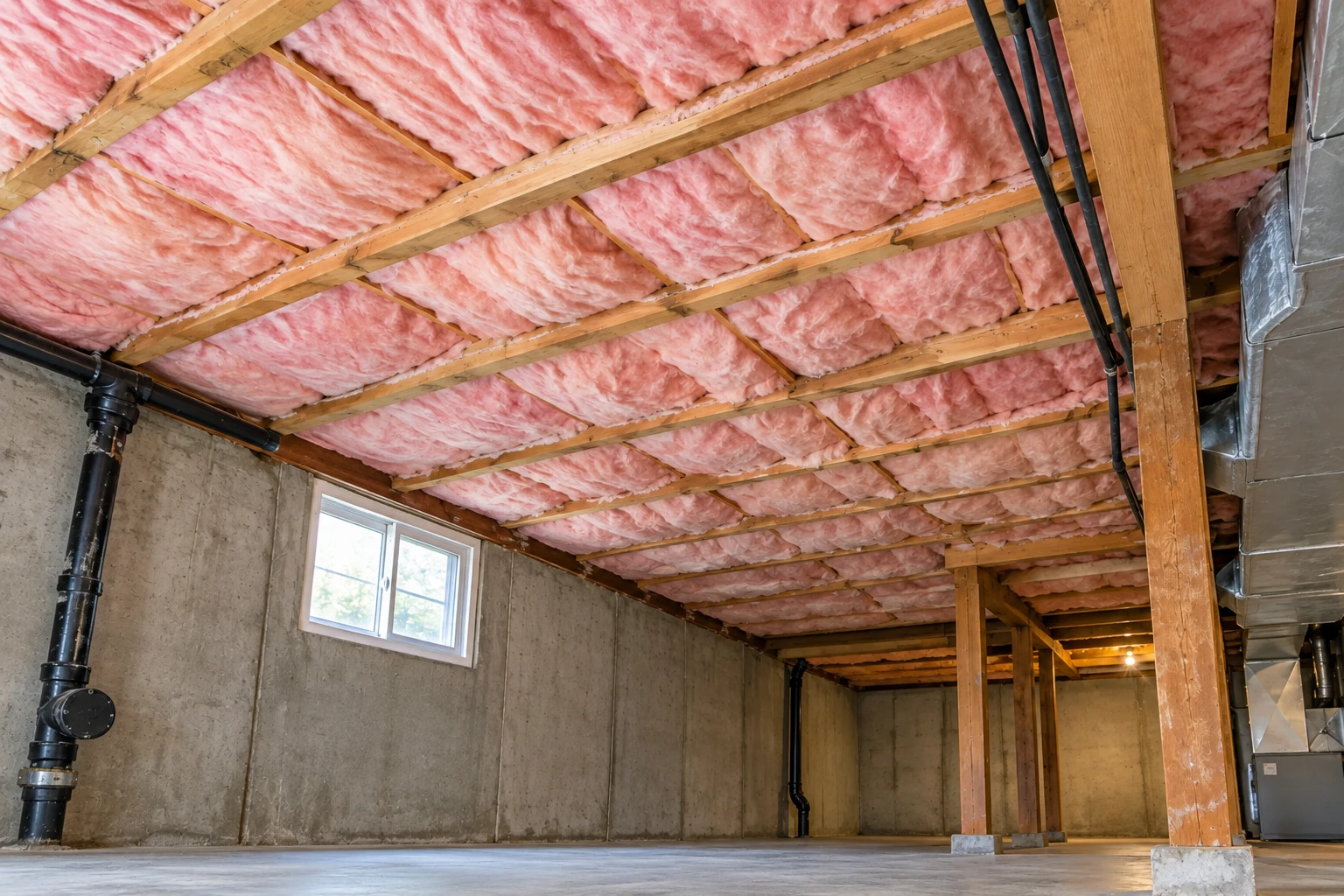
Cold floors often trace back to the crawl space. We insulate under the floor once the space is dry, so the insulation stays up in the framing and keeps working.
Walls in older houses are often empty or close to it. We can fill closed walls through small openings, which helps rooms that never warm up no matter what the thermostat says.
Air sealing means closing the gaps before insulating. We close them around pipes, wiring and the attic hatch so warm air stops slipping out the top of the house.
A lower level that stays damp and chilly can be insulated once the moisture is handled. We look at the walls and the rim joist and pick the material that fits.
Closed-cell foam is dense foam that blocks moisture, so it makes sense on a rim joist or a spot that tends to get damp. It's a good fix for small, awkward places.
Open-cell foam is softer and lighter, and it fills odd rafter bays well. We use it where air needs stopping but moisture isn't the main problem.
Small offices and shops get the same order of work we use in houses, finding and sealing the leaks before insulating. I walk the space before giving you a number.
A vapor barrier on the crawl space floor keeps ground moisture from rising into the framing and the insulation above it. Under an older house, it's often the first step.
Where a wall, floor or ceiling needs a moisture layer, we put it on the right side of the insulation so damp air doesn't get trapped inside the assembly.
Can lights, plumbing stacks and the hatch are where most attic air escapes. We seal those first, because insulation laid over open gaps ends up fighting a draft.
Retrofit means adding insulation to a house people already live in. That's most of our work, done around your boxes, wiring and old material without tearing the place apart.
We reply to every call and message within one business day. I come out to your Mill Valley home myself, look at the attic or crawl space before I put anything on paper, and write the estimate there. It's free, and you're under no obligation to book.
(628) 234-2144Inside Mill Valley city limits, permits come from the city's Building Division, which also reviews plans and sends out the inspector. Addresses in Strawberry, Tam Valley, Homestead, Almonte and Alto carry a Mill Valley name but sit in unincorporated Marin County, so the county is the office there. If your job needs a permit, the review and inspection set the start date, so I sort that out before we put you on the calendar.
The city also requires a business license for any business working inside city limits, approved before the work begins, and a contractor needs it paid up before applying for a permit online. It's a fair thing to ask any contractor about. We're licensed and insured, and when a job needs a permit, we pull it through the right office and set up the inspection, the same as we do in Novato and the other cities around San Rafael.
The price moves with what I find up there. That means how many inches are already in place, whether old material has to come out first, how many gaps need sealing and how easy the space is to reach. The schedule turns on the permit, if there is one, and on whether removal comes before the install. The estimate I write at your house is where your own number comes from.
I spent my first years in the trade insulating new houses, where the walls are open and nobody lives there yet. That taught me how insulation is supposed to go in. Lived-in homes taught me the rest, which is that leaks, wet spots and blocked vents have to be dealt with first or the new material doesn't do much. I started this business in 2023 to do that work.
So I'll tell you if your attic isn't ready, and I won't sell you a job that won't help. When we do go ahead, we seal around can lights, pipes and the hatch, keep the eave vents clear so the attic can still breathe, and make sure the edges get as much coverage as the middle.
I come out myself for the estimate, and I'm on site running the crew when we install. The work is backed by our satisfaction guarantee. Call (628) 234-2144 or use our estimate request form to set up a visit.
A few city rules and local conditions change how we plan insulation work here, mostly under the house and out at the curb. Here's what they mean for your job.
A cold, damp crawl space often has a dripping drain or vent pipe behind it. The city's handout says stopping a leak in those pipes needs no plumbing permit, but pulling out a bad hidden pipe or trap and replacing it counts as new work, with a permit and an inspection. Either way, the leak gets fixed before we put insulation under your floor, because wet insulation just holds water against the framing.
The city has a mandatory seismic retrofit program, which means earthquake strengthening, for certain residential buildings. If your house is part of it, or you're doing that work anyway, the crawl space will be open and cleared for a while. That's a good time to look at the vapor barrier and the insulation under the floor, so nobody has to crawl through the same space twice.
The city says many construction projects need a Construction Management Plan, which covers parking, truck routes, schedules, road closures and where materials sit, and the Building Official approves it before a permit is issued. An insulation job brings a truck, a long hose and bags of material, and that takes some planning on a narrow street. If your job needs a plan, I build that step into the schedule.
A city notice this summer said PG&E was planning a Public Safety Power Shutoff covering parts of southern Marin, Mill Valley included. We need light and fans in the attic, and spray foam needs ventilation running until re-entry time, when it's safe to come back inside. If a shutoff lands on your install day, we move the date rather than work around it. Call us if you get a notice for your street.
Your price comes from what I find in your attic, so I give it at the free estimate rather than over the phone. Sealing the gaps and topping up loose fill is usually the lower-cost route. Foam costs more, and it mostly earns that when your ductwork lives up there.
The city's minor permit list doesn't settle it, because it names furnaces, water heaters, re-roofs, windows and other work but not insulation. So I check with the office that covers your address before we start. If your job needs one, we pull it and set up the inspection.
Most of the time goes into prep and sealing, not blowing in the new material, so a simple top-up is quicker than an attic that needs old insulation pulled out first. I give you the schedule for your house along with the estimate, once I've seen what's up there.
For blown-in work and air sealing, usually not, though kids and pets should stay away from the hatch and the work area. Spray foam is different. Everyone leaves until re-entry time, and the foam maker sets that wait, so I give you the exact hours for the product before we start.
Clear a path to the attic hatch and move boxes out of the attic if you can, because we need to reach the edges and the eaves. Tell me about pets, a roof leak or anything stored that you can't move, and we'll plan around it.
Only when it's soaked, moldy or full of droppings. Dry, clean insulation can usually stay and get topped up after we seal the gaps underneath it. Putting fresh material over a bad layer just buries the problem, so I check what you have before recommending removal.
We pick up seven days a week from 8 AM to 9 PM, so call (628) 234-2144 or send your address and the problem room through our estimate request form whenever it suits you.