Comfort San Rafael Insulation ServicesComfort San Rafael Insulation Services

Basement insulation in San Rafael CA - a warmer basement, with the water handled first

Cold basement and walls that feel damp? We handle the water first, then insulate so the space feels more like the rest of your house.

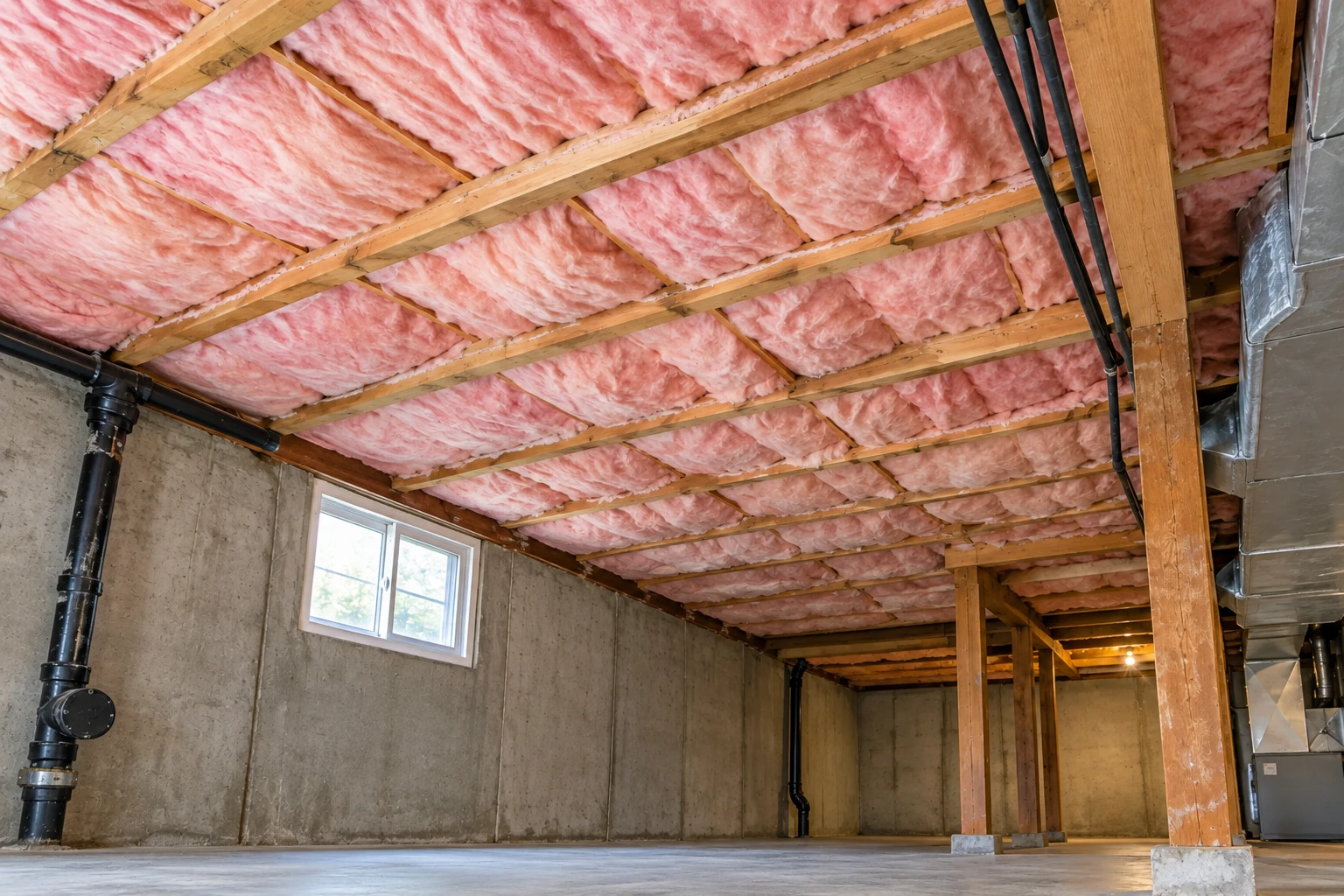
Basement with pink insulation batts fitted between ceiling joists above a concrete floor.

Basement insulation in San Rafael means adding insulation to your basement walls, or sometimes the ceiling, so the basement holds a temperature closer to the rest of your house and carries less sound up to the rooms above.

What does basement insulation in San Rafael involve?

Most basement calls start with something you can feel. The floor over the basement is cold, the basement runs much cooler than the rooms above, or there's old insulation down there that looks damp or tired. Some of that is missing insulation, and some of it is air coming in where pipes, wires and framing meet the foundation, which is why I look at both.

The price moves with how much wall there is, whether water or old wet material has to be dealt with first, and which material goes on. Finished walls that have to come open add work. The schedule turns on the same things, plus a permit if your job needs one. I'll put your number on paper after I've looked at the space.

Whoever you hire, ask about their license. California licenses insulation contractors under its own class, the C-2, which covers putting in any insulating material to control heat or sound, so a basement job like this falls squarely under it.

What decides how your basement gets insulated

Beyond water, a few things decide how a basement job goes and what it costs. These are the ones I check on the walkthrough before I write anything up.

Gaps sealed before insulating

Air sneaks in where pipes and wires pass through the foundation and along the top of the wall, where the house framing sits on the concrete. We close those gaps first, which we call air sealing, because insulation laid over a draft keeps fighting it and you'll still feel a cold floor.

Old wet insulation comes out

If old fiberglass on the walls or in the ceiling framing got wet, sagged or has droppings in it, new material over it just keeps the problem in place. We pull it, bag it and clean up before anything new goes on, the same way we handle insulation removal anywhere else in the house.

Bare walls or finished ones

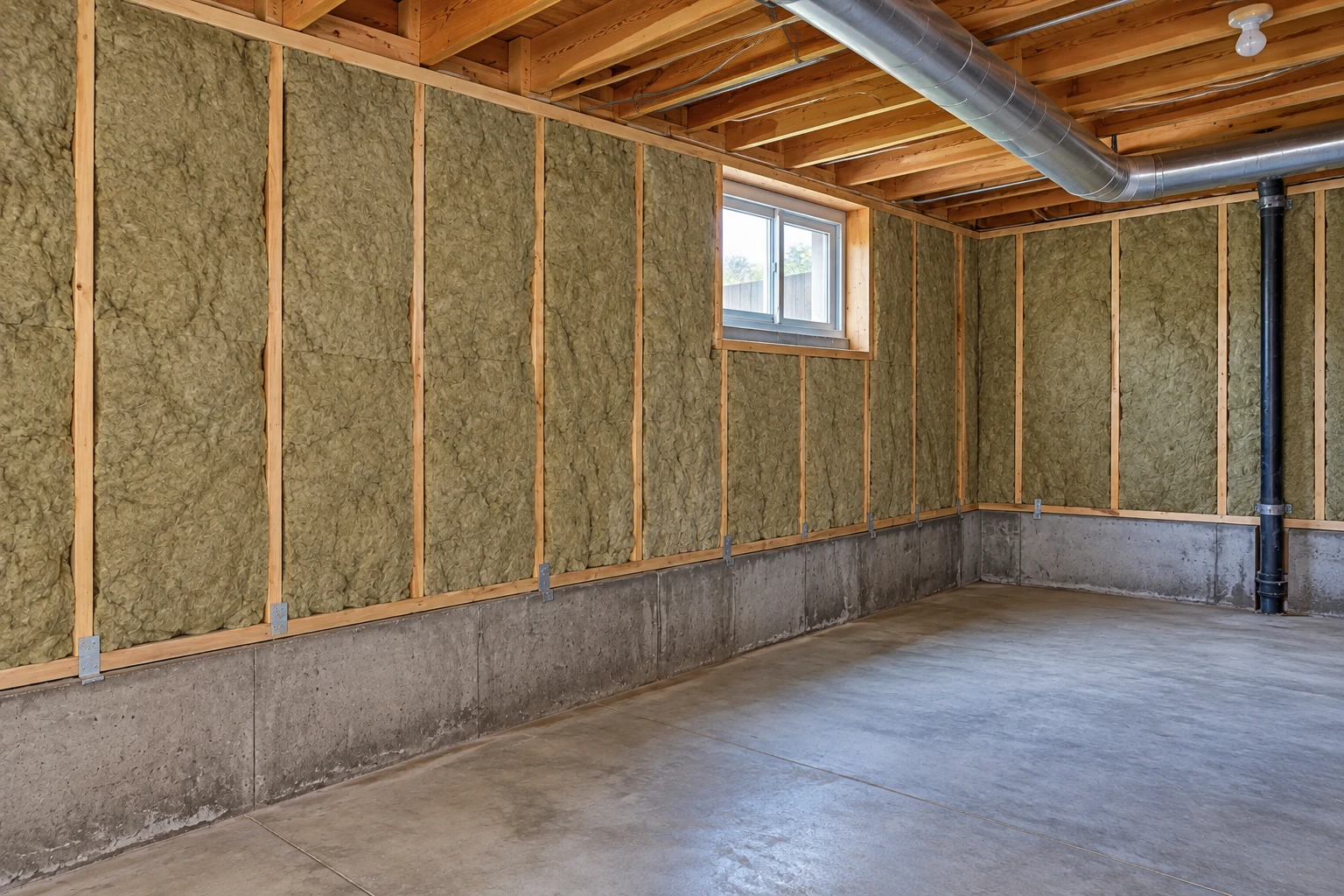
Bare concrete walls are the simplest job because we can see them and work right on them. If the walls are already framed and drywalled, some of that may have to come off to insulate properly, and that extra time and cost will be spelled out on your estimate.

What happens after you call about your basement

Here's how a basement job runs, from the first call to the walkthrough at the end, and who handles each part along the way.

  1. 1

    Call or send a message

    Call (628) 234-2144 or send a message through the form. Tell us what you've noticed, like a cold floor upstairs, damp spots on the walls or water after a heavy rain, so I know what I'm walking into.

  2. 2

    I look and write it up

    I come out, go into the basement and check the walls for water, the foundation for cracks and the spots where air gets in. Then I write up an estimate that lists anything that has to be fixed before insulation goes on.

  3. 3

    We prep, seal and insulate

    If you go ahead, we handle any permit your job needs and set up the inspection. Our crew preps the space, seals the gaps and puts the insulation on, and I'm there running the job.

  4. 4

    Walk through it together

    Before we leave, I walk you through what we did, what went on the walls and anything we found along the way. If spray foam went up, I'll tell you when the basement is ready to use again.

Request an estimate

How we do basement insulation, starting with the water

Water comes first in a basement. If your walls get damp, after rain or all winter long, we deal with that before any insulation goes on, so the new layer isn't hiding a problem. Sometimes that means I tell you the basement isn't ready yet. I'd rather say that than sell you a job that won't help.

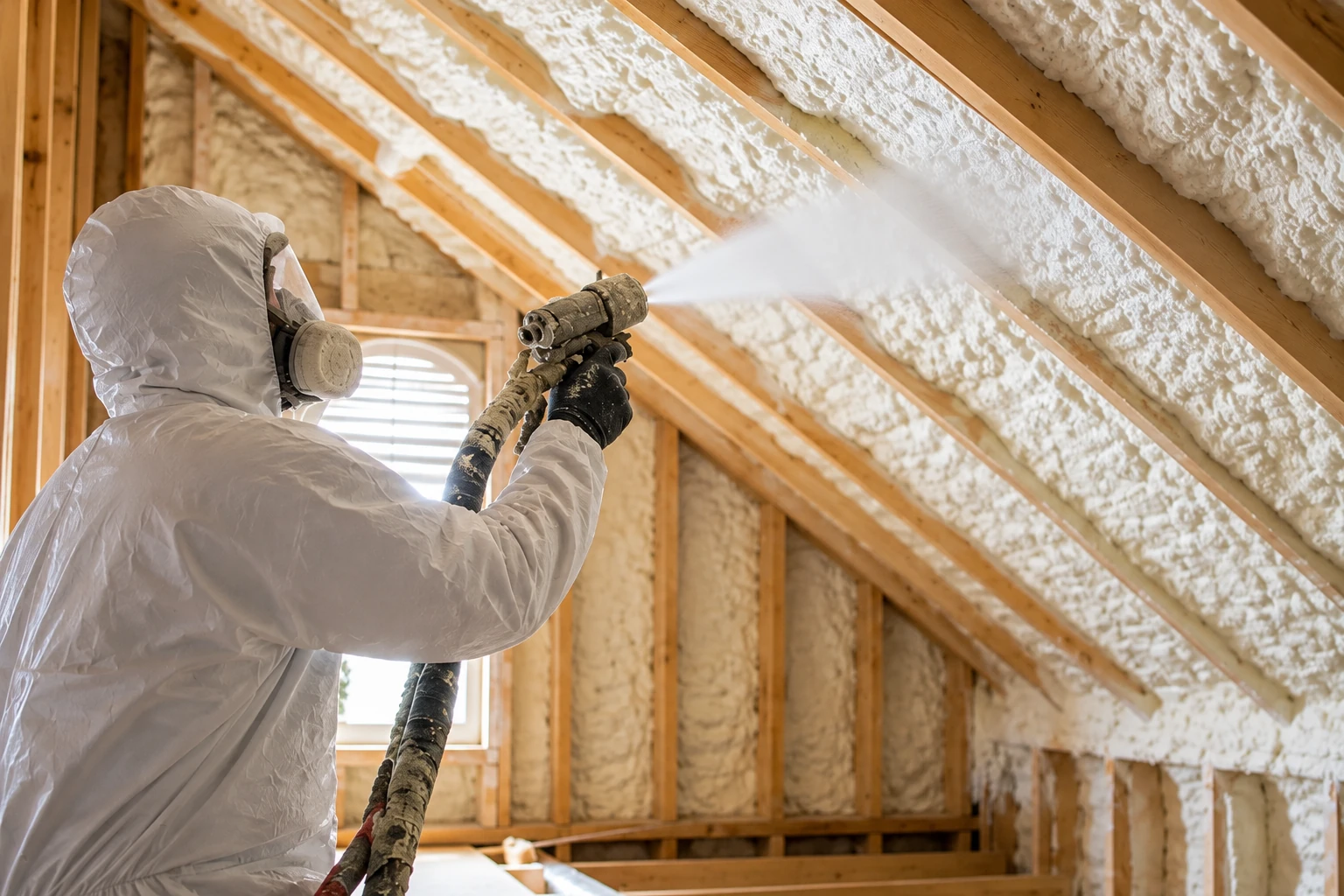
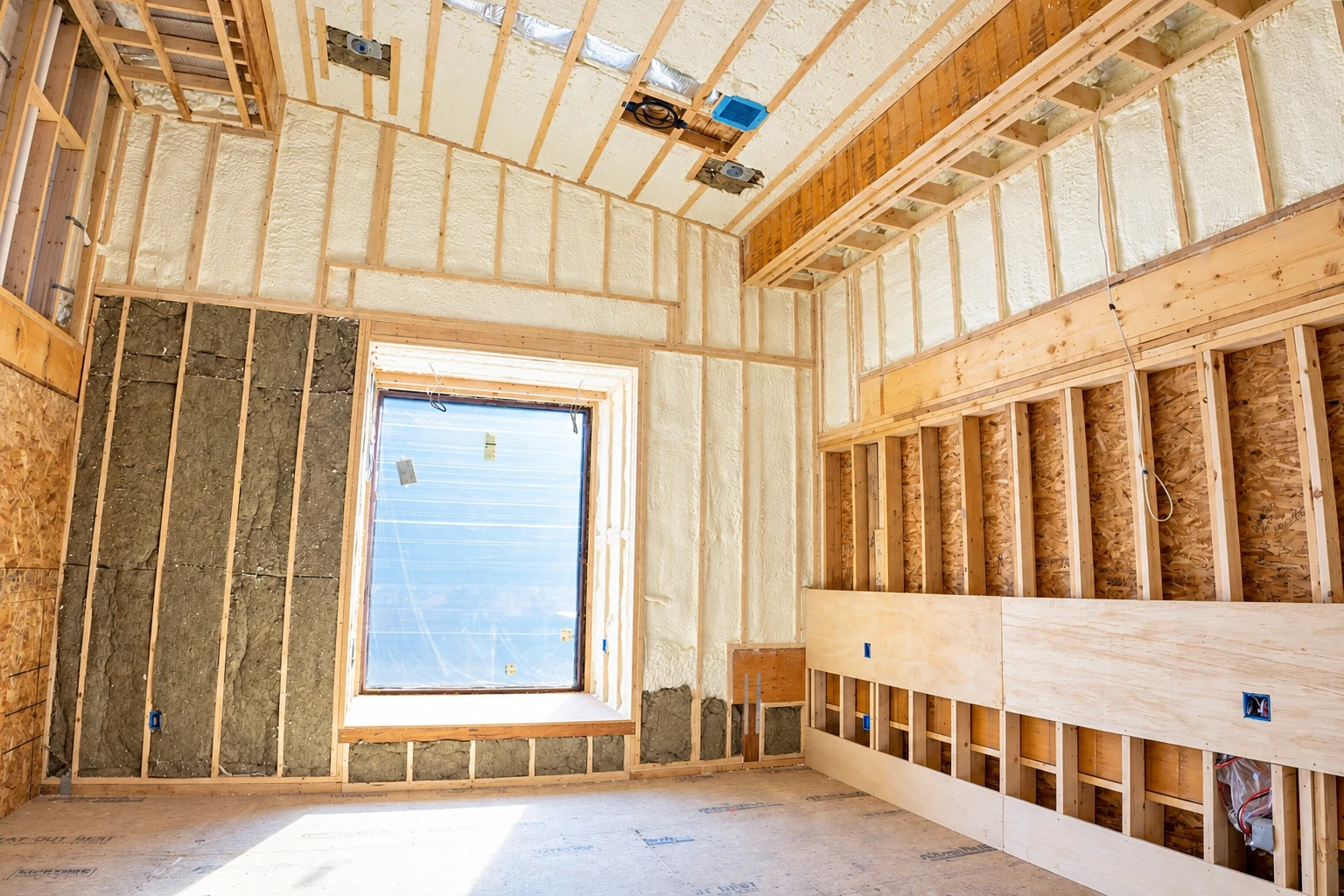
Once the walls are dry, the main choice is foam or a framed wall with batts. Closed-cell foam is dense foam that also blocks moisture. Open-cell foam is softer, costs less and is better at quieting sound, but it lets moisture pass, so I keep it off foundation walls and use it in the ceiling between the basement and the rooms above.

Closed-cell foam on the walls

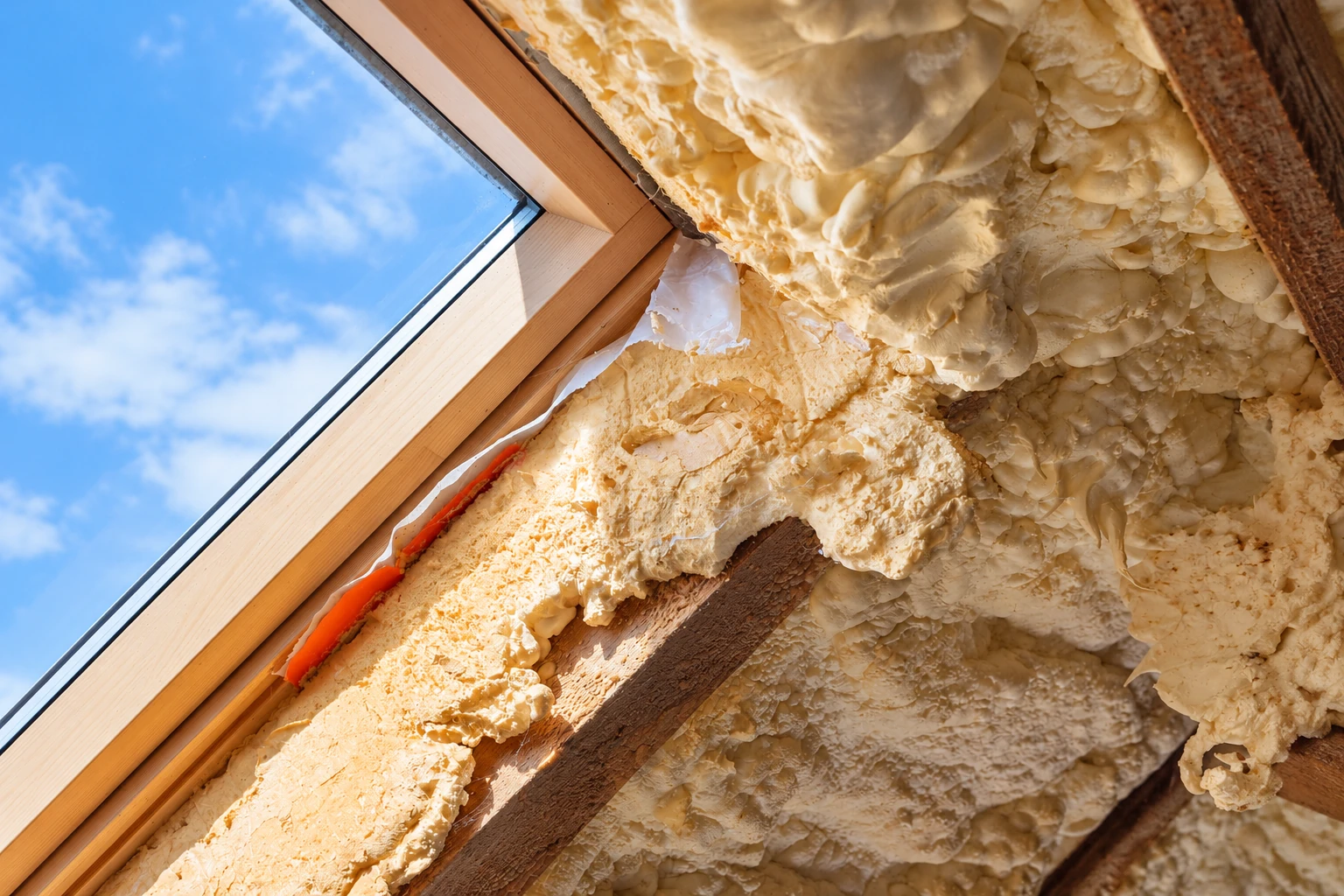
It costs more, and it earns that by sealing air while it insulates, in one layer right on the concrete. It's my usual pick for bare foundation walls that feel cool and a little damp to the touch.

Framed wall with batts

A good fit when you're finishing the basement anyway and the walls stay dry. It costs less up front, but it leans harder on those walls staying dry, so I only suggest it once the water's handled.

Get a basement insulation estimate after a real look at your walls

We reply within one business day. I'll set a time to come out, check your basement walls for water and anything that has to be fixed first, and write up a free estimate. There's no obligation to go ahead.

(628) 234-2144

hello@sanrafaelinsulation.com

Basement insulation in San Rafael and what the ground here means

In San Rafael, a permit is required to build, enlarge, alter or repair a building, and you apply before work begins. The city's Building Official issues it and is the one to ask what your basement project needs. If you're not sure whether yours needs one, I'll find out before we start.

Much of the mapped San Rafael Valley sits on placed fill over Bay Mud, the soft clay along the bay, and the valley averages about 33 inches of rain a year. That describes the valley, not every lot in the city, but it's a good reason to look hard at basement walls before anything goes on them.

We see a lot of older basements that were built for storage, not living space, with bare concrete and gaps along the top of the wall. The same goes for homes in San Anselmo and Larkspur, and the work there runs the same way.

Why San Rafael homeowners call Comfort San Rafael Insulation Services for basements

I spent my first years in the trade insulating new houses, where the walls are open and nothing's in the way. I started this business in 2023 to work on lived-in homes, and basements are where doing the steps in the right order matters most.

I come out myself to look at your basement and write the estimate. Our crew does the install, and I'm on site running it, so the person who looked at your walls is the one making the calls. We're licensed and insured.

Our work is backed by our satisfaction guarantee. If your basement is cold or your walls are giving you doubts, call (628) 234-2144 or send us a message and I'll come take a look.

Closed-cell foam insulation

When your basement walls are bare concrete that stays cool and a little damp-feeling, this dense foam insulates and holds back moisture in a single layer.

Open-cell foam insulation

For the ceiling between the basement and the rooms above, where quiet matters more than moisture, this softer foam fills gaps and cuts noise for less money.

Where we do basement insulation

We're based in San Rafael and insulate basements across Marin and nearby, from Petaluma down to Strawberry and over to Richmond and Berkeley. If your city isn't on the list, call and ask.

Questions about basement insulation in San Rafael

How much does basement insulation cost in San Rafael?

Across the US, basement insulation usually costs about $1,500 to $6,500 per job, and that's the market's range, not our price. Where yours lands depends on how much wall there is, whether water has to be dealt with first and which material goes on. I'll give you your own figure after I've seen the basement.

Should I insulate my basement walls or the ceiling?

Usually the walls. Most basements work as part of the heated house, and even an unheated one is tied more to the rooms above than to the outdoors. Insulating the outer walls keeps the basement closer in temperature to the rest of your home, so that's where the plan usually starts.

Can insulating a basement cause moisture problems?

Yes, if the water isn't handled first. Insulation over damp walls can hide the problem, and in some cases it traps water in the wall and makes the damage worse. Plastic sheeting or foil over fiberglass can trap moisture too, so the usual guidance favors kraft-faced batts or latex paint on the drywall instead.

Is spray foam safe in a finished basement?

It can be, once it's covered. Some foams can give off toxic or flammable gases if they get hot, so most codes call for drywall over them. Some products are made and tested to lower that risk, and the local building office confirms whether the foam we choose meets code.

Do I have to leave the house while you insulate my basement?

Usually not for batts or foam board. Spray foam is different because it has a re-entry time, meaning how long before people and pets can come back in, and the foam maker sets it. I'll tell you that time before we start so you can plan around it.

How do I get my basement ready for insulation?

Clear the walls we'll be working on, pulling boxes and shelves back so the crew has room to move. If you know of foundation cracks or settling, tell me before we start, because insulation over a foundation with structural problems can hide them or even make them worse.

Tell us what your basement does after rain

Call (628) 234-2144 any day from 8 AM to 9 PM, or use the form, and jot down where you've seen damp spots or water so I know where to look first.

(628) 234-2144Request an estimate