
Spray foam insulation
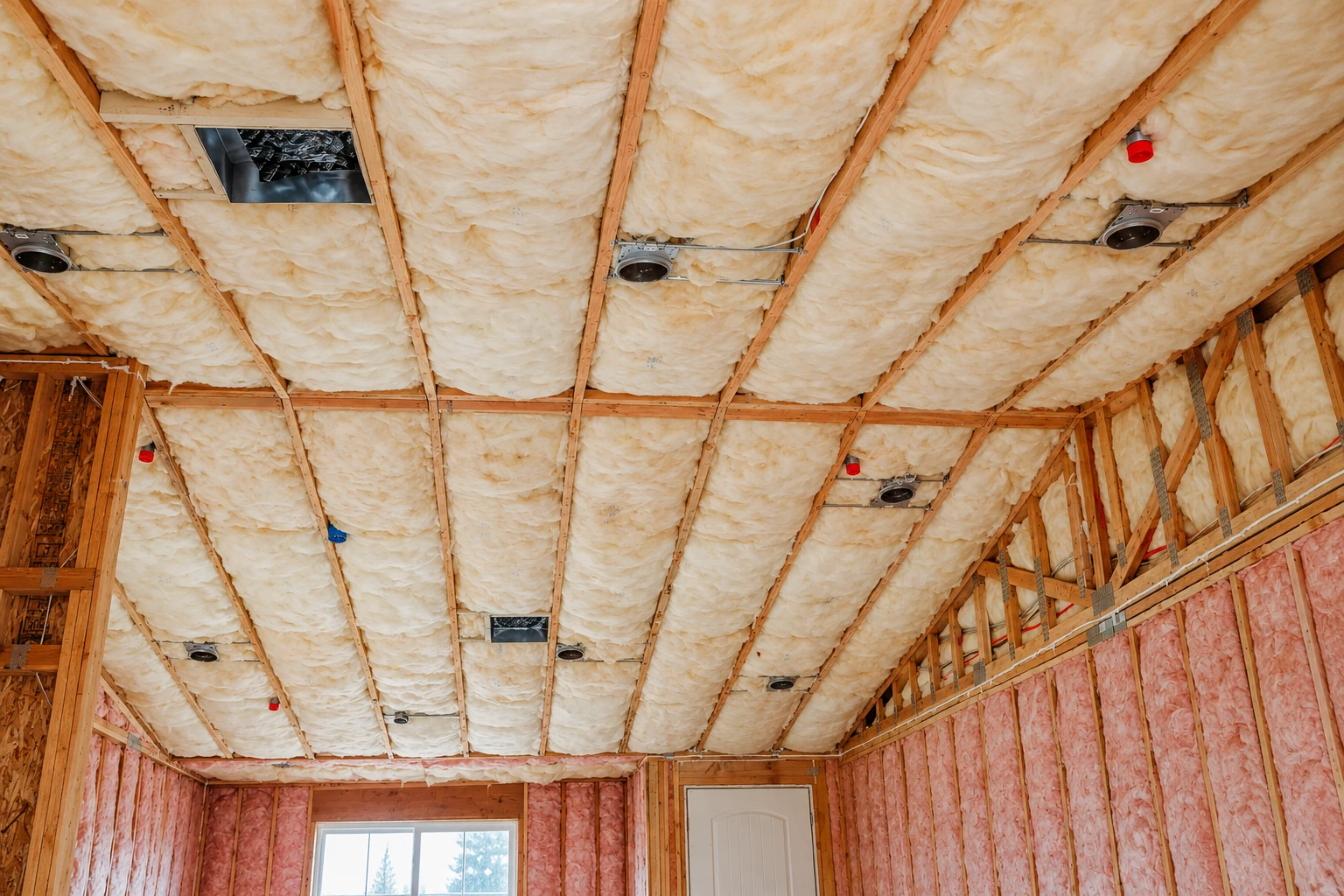
Spray foam fits rooflines, the room over the garage and tight spots loose fill can't reach. It costs more, so I suggest it where sealing and insulating in one step pays off.
Comfort San Rafael Insulation Services is an insulation contractor based in San Rafael and working in Corte Madera, CA. We seal attics and crawl spaces, clear out spoiled insulation and add new insulation where your house loses heat.
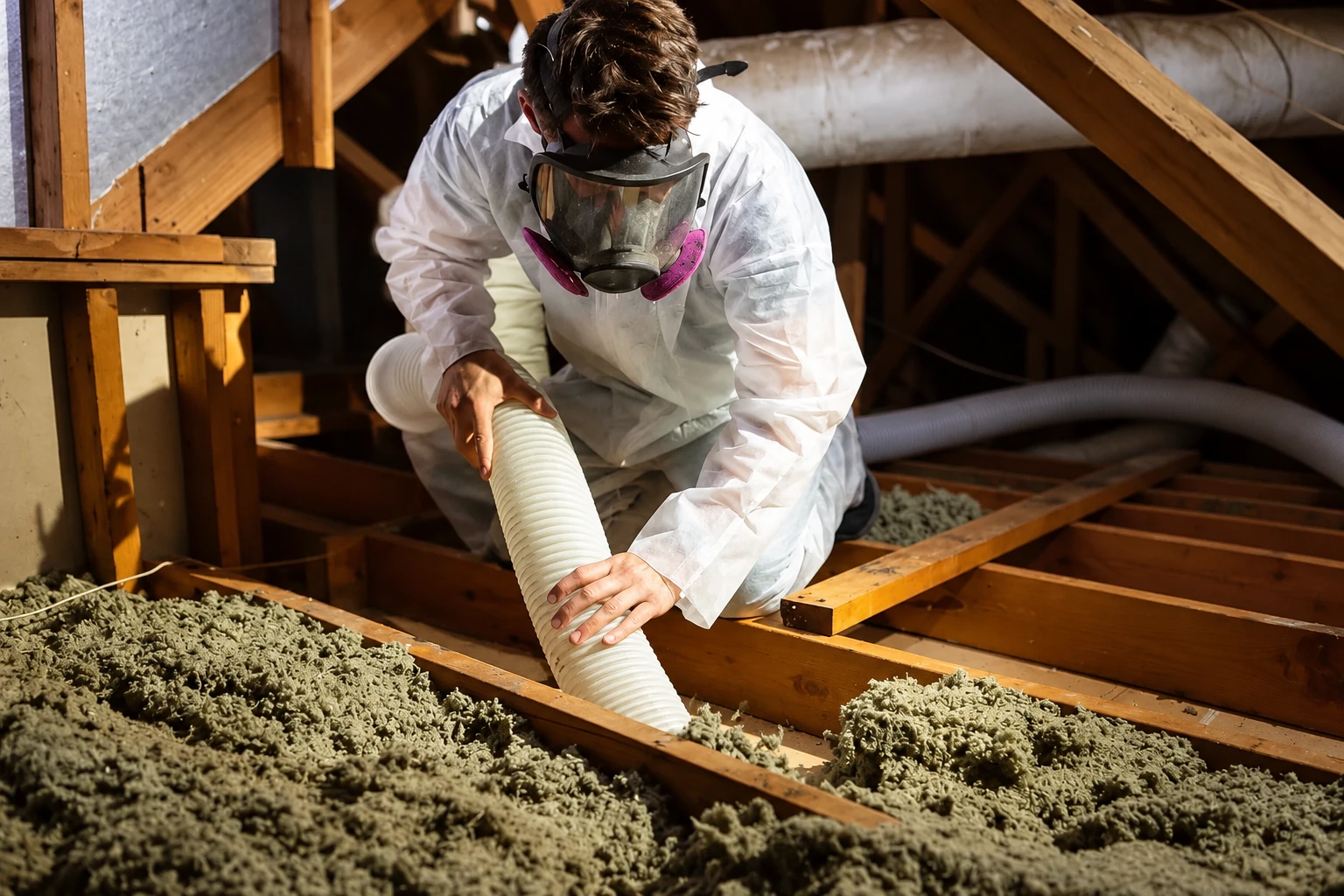
Comfort San Rafael Insulation Services insulates and seals attics, walls and crawl spaces in Corte Madera, CA. Most calls we get come from owners of older houses with a cold room, a hot upstairs or a power bill that keeps climbing. Most of those attics need sealing and cleanup before new insulation will help.
In the attic we usually find old insulation that's been topped up more than once. It's a few inches deep in some spots and almost gone at the edges. There are boxes, an old can light or two and a hatch with light showing around it. I look at all of that before I write a number, because the order of the work matters more than the material.
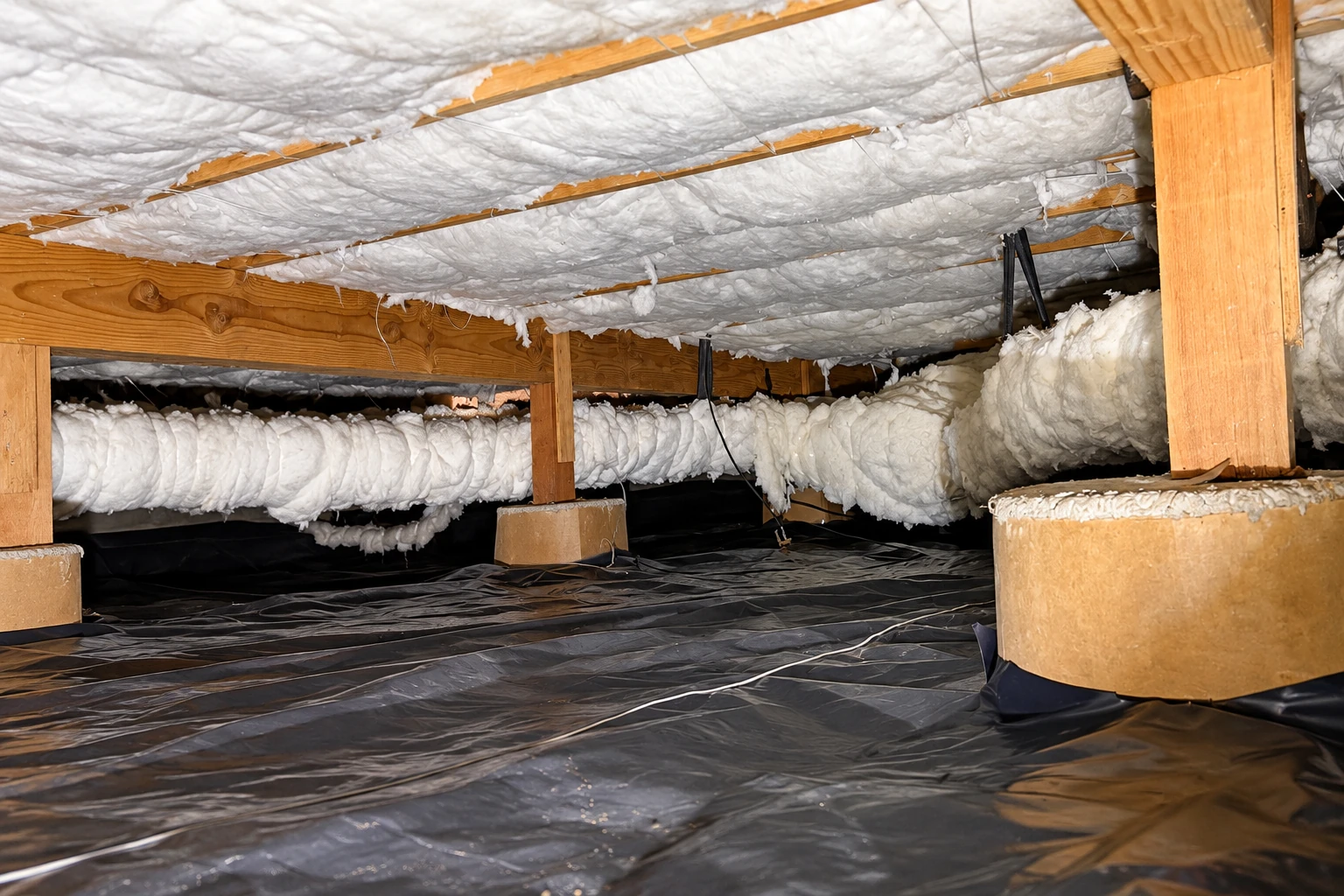
Under the house, cold floors usually start in the crawl space, where the old batts have fallen or there's nothing at all. We check for damp ground and loose insulation hanging from the joists before we suggest a vapor barrier or new insulation. A lot of the houses here are like the ones we work on in Larkspur next door, so the same checks apply.
Spray foam fits rooflines, the room over the garage and tight spots loose fill can't reach. It costs more, so I suggest it where sealing and insulating in one step pays off.
A hot upstairs or a cold bedroom usually traces back to the attic. We seal the gaps, clear the eave vents and bring the coverage up evenly, edges included.
Blown-in insulation is loose fill blown through a hose, and it's how we top up most attics. It settles in around joists and wiring where batts usually leave gaps.
When several rooms feel drafty, we look at the attic, walls and floors together. Then I tell you which spot is worth fixing first and which can wait.
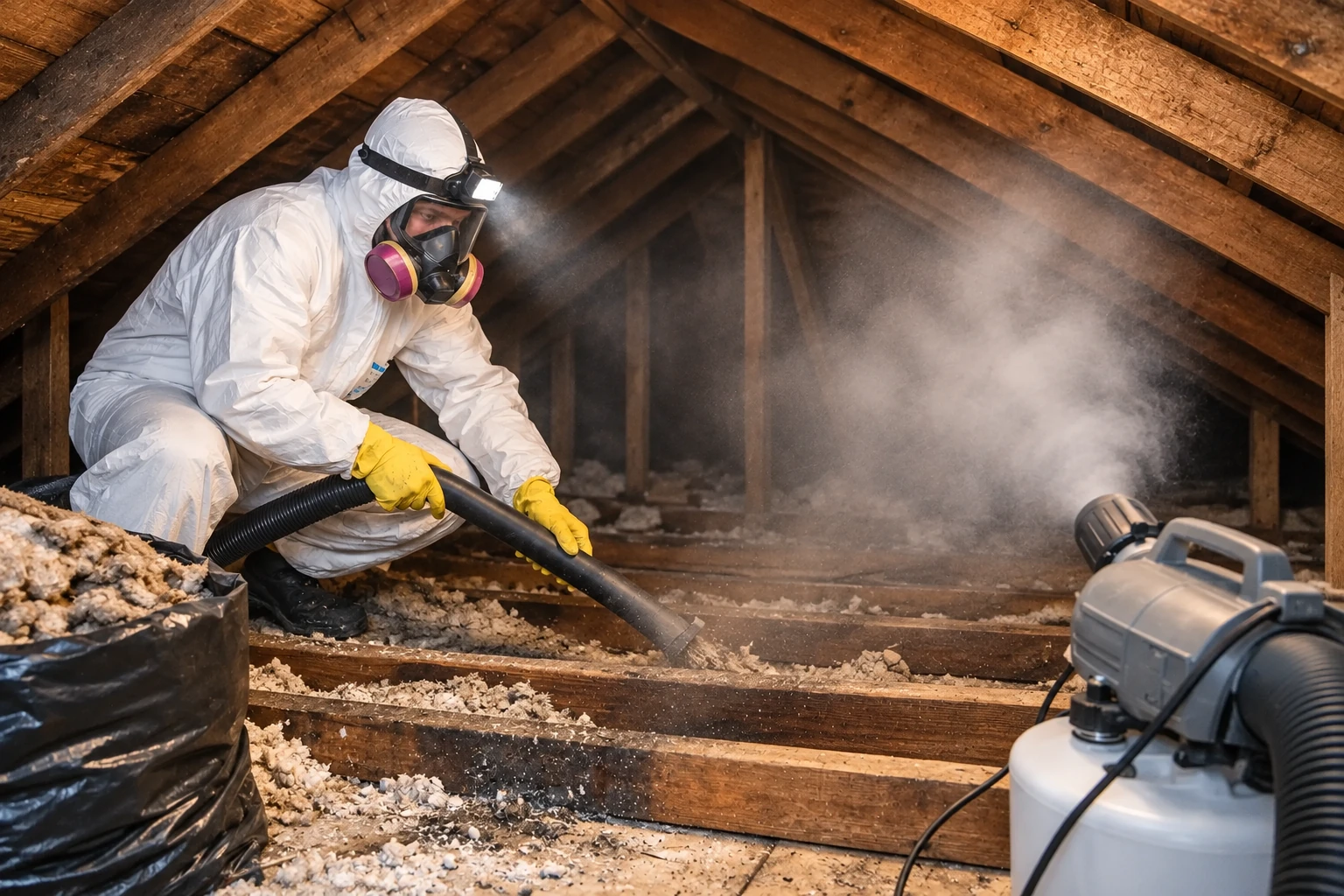
If the old insulation is soaked, flattened or full of droppings, it comes out first. New material on top of it just buries the problem and the smell.
Cold floors usually mean the crawl space below is open or the old batts have dropped. We insulate between the joists once we know the ground under them stays dry.
Walls in older houses are often empty or close to it. We fill them through small holes so you don't have to open up the whole wall.
Air sealing means closing the gaps before insulating. We seal around pipes, wires, can lights and the hatch, because insulation can't stop air moving straight through it.
Below-grade rooms run cold and often damp. We insulate them so the room is comfortable to use without trapping water behind the walls.
Closed-cell foam is dense foam that blocks moisture. It suits rim joists and spots near damp ground, where a softer material would soak up water.
Open-cell foam is lighter and softer, so it fills rooflines and odd cavities well and quiets noise. It's not the pick anywhere near damp ground.
We also insulate small offices, shops and rental buildings. The order is the same as at home, sealing first and insulating second, scheduled around your hours.
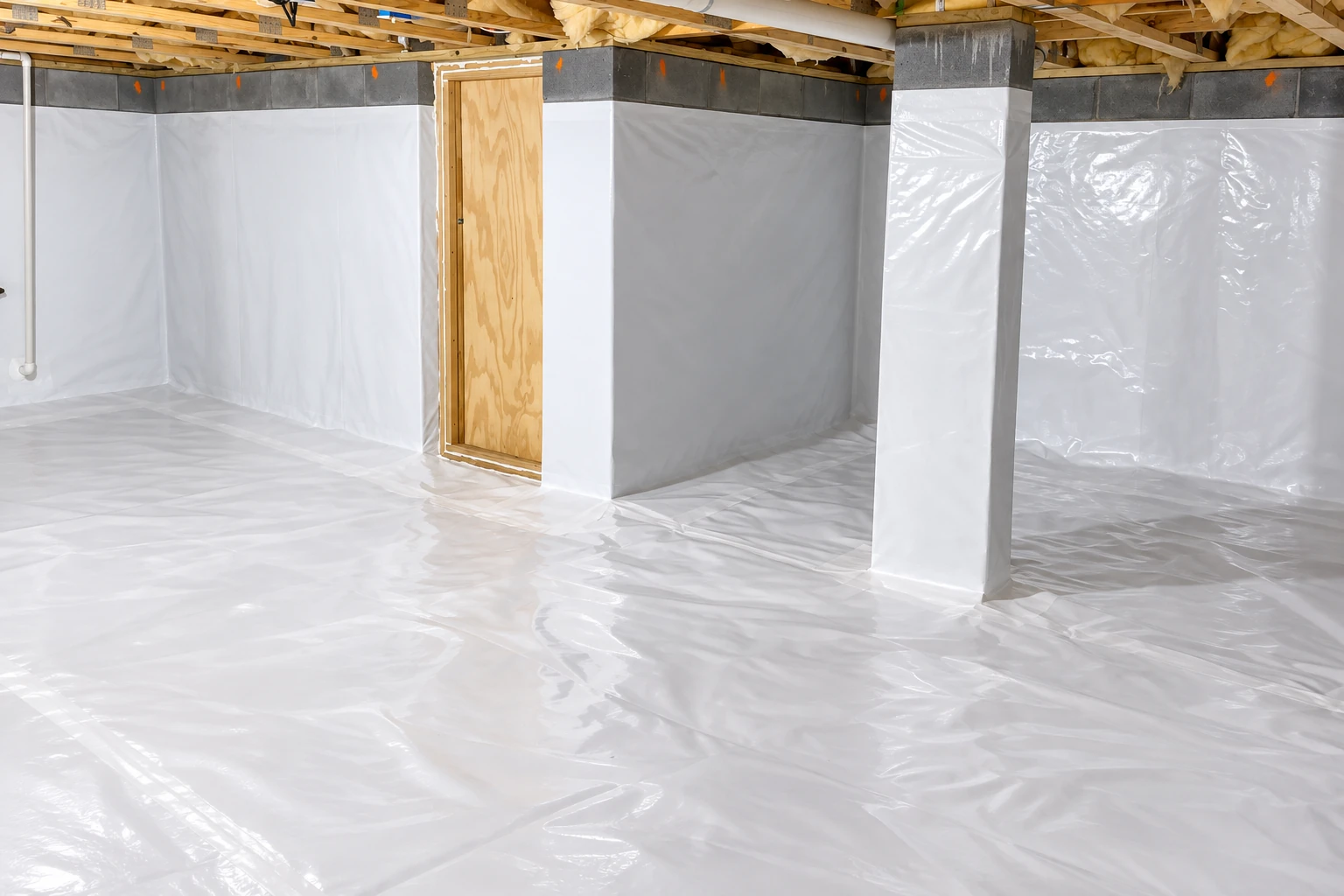
A crawl space vapor barrier is heavy plastic laid over the dirt. It keeps ground moisture from rising into the floor framing and the insulation above it.
Some walls, attics and basements need a barrier to keep moisture out of the insulation. We put one in only where the house actually needs it.
This is the sealing step on its own. In a lot of attics, closing the gaps does more for comfort than adding inches, and it costs less.
Retrofit work means insulating a house that's already built and lived in. That's most of what we do, working around finished walls, furniture and stored boxes.
Send the form and we'll reply within one business day to set a time. I come out to your Corte Madera home myself and look at the attic or crawl space before I put anything on paper. The estimate is free, and there's no obligation.
(628) 234-2144Permits here go through the Town of Corte Madera's Building Division, which reviews applications against state and local codes, energy rules included, and inspects the work. When a job needs a permit, that review and the inspection set the schedule more than the install does. We pull the permit and set up the inspection, and if you're not sure your job needs one, I'll find out before we start.
Check two licenses before you hire anyone. The Contractors State License Board requires a license when a job needs a building permit, uses any extra workers or runs $1,000 or more in labor and materials, so most insulation jobs need one. The city also handles local business licenses with help from HdL Companies.
The price moves with how much old insulation has to come out, how many gaps need sealing, how easy the space is to reach and which material fits. Removal and foam take longer than a top-up. We do the same work in Mill Valley and Strawberry, and the estimate is where you get the number for your own house.
I spent my first years insulating new houses, where the walls are open and nobody lives there yet. That's where I learned how insulation is supposed to go in. I started this business in 2023 to work on lived-in homes, and they taught me the rest. Leaks, wet spots and buried vents have to be fixed first, or the new insulation doesn't do much.
So I come out myself, look at the space and tell you what it needs. Sometimes that's sealing and a top-up rather than a full job, and sometimes your attic isn't ready yet. I'd rather tell you that than sell you work that won't help. Our crew does the install, and I'm on site running it.
We're licensed and insured, and our work is backed by our satisfaction guarantee. If you've got a cold room or old insulation you don't trust, call (628) 234-2144 or send us the form and tell me what you're noticing.
Corte Madera has homes on settled bay fill and homes inside a wildfire boundary, and both change how we approach a house. These are the things I keep in mind on jobs here.
Mariner Cove and Marina Village sit on filled baylands, and parts have settled as much as four feet since they were built, depending on how thick the bay mud is. Some homes there have tilted floors, and some storm drains no longer flow the way they were designed. A house that has moved usually opens gaps at the floor and around pipes, so we seal those and check that the crawl space is dry first.
The city has adopted a wildfire boundary for applying fire-hazard codes, and a house inside it counts as being in a Very High Fire Hazard Severity Zone under state law. Insulation inside the attic usually isn't where those rules bite. Vents and anything on the outside of the house can be, so if the job touches them, I check where your address falls before we order anything.
A lot of the older attics we open have had insulation added two or three times. It ends up deep in the middle and thin at the eaves, which is backward. The eave vents get buried, the attic stops breathing and moisture shows up in the framing. We pull material back from the vents, fill out the edges and measure how many inches are already up there before adding more.
Foam costs more, but it seals air while it insulates. For most attics, sealing the gaps and topping up loose fill does the job for less money, and that's what I usually recommend. The exception is when your heating ducts run through the attic. Then the attic is part of the system, and foaming the roofline can be worth the extra cost.
It comes down to what your attic needs once I've looked at it, more than its size. Old insulation that has to come out, a lot of gaps to seal, a tight hatch or choosing foam over loose fill all raise the price. A clean attic that only needs sealing and a top-up costs the least.
A top-up in an open attic with good access usually doesn't take long. Removing old insulation, sealing a lot of gaps or spraying foam adds time, and if the job needs a permit, the city's review and inspection add more. I'll tell you what your job involves when I come out for the estimate.
For loose fill and air sealing, you can usually stay home and just keep kids and pets out of the work area. Spray foam is different. Everyone, pets included, stays out until the foam maker says it's safe to come back in, and we go by that re-entry time.
Clear a path to the attic hatch and move anything stored up there, because we need to reach every corner and the eaves. If we're working under the house, clear the crawl space door too. Tell me about pets and parking ahead of time, and point out the rooms that feel drafty so I can check them.
Yes, in the Special Flood Hazard Area, new development or an addition or renovation to an existing house needs a Floodplain Development Permit. Part of the city lies in that zone, and Public Works can help you check whether your property does. If your insulation is part of a bigger remodel there, I'll find out what applies before we start.
Plans submitted to the city now have to follow the current California codes, and those include the energy code. The city's local amendments also raise energy efficiency requirements on certain renovation projects. When your job falls under a permit, the city's inspector checks the work against those rules.
We pick up seven days a week from 8 AM to 9 PM, so you can call (628) 234-2144 after work or send the form tonight.