
Spray foam insulation
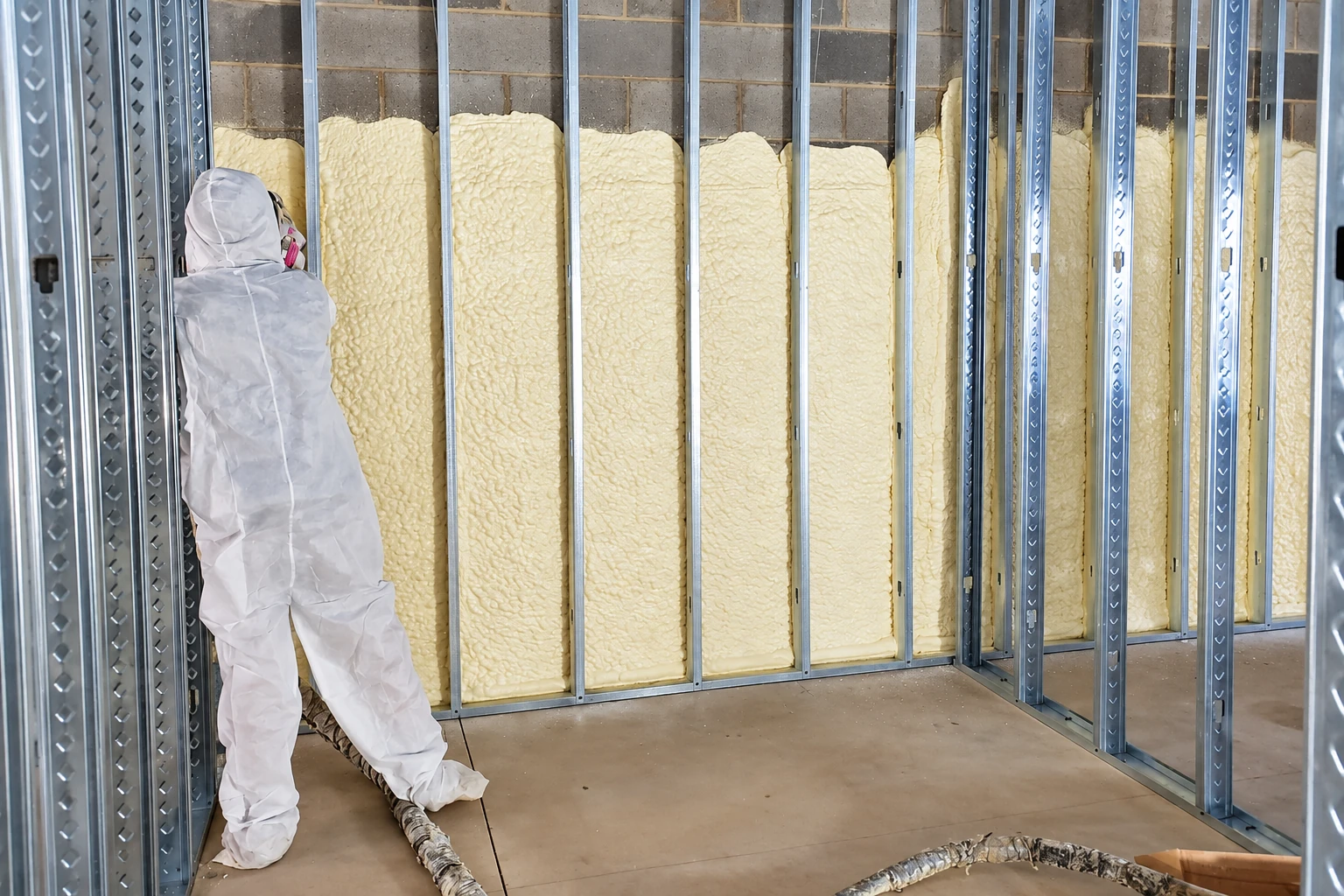
Spray foam fills rafters, rim joists and odd framing that loose fill can't reach. It costs more, so we suggest it where it seals and insulates something nothing else will.
Comfort San Rafael Insulation Services insulates and seals attics, walls and crawl spaces in San Anselmo homes. We clear or fix what's already up there, close the air gaps, and add new insulation where it'll actually help.
Comfort San Rafael Insulation Services insulates attics, walls, floors and crawl spaces in San Anselmo. We also do the air sealing and old-insulation removal that usually has to come first. I come out to look at the space myself, and I'm on site running the crew when we do the work.
The calls we get from San Anselmo sound a lot like the rest of Marin: a bedroom that won't warm up, an upstairs that's hot by afternoon, the room over the garage nobody wants to sit in, a power bill that keeps climbing. In an older house, the attic usually already has some insulation, often flattened under stored boxes or thin at the edges.
That's why I look before I quote. Stored boxes, old can lights, wiring and a narrow hatch all change how we work up there. Before new insulation goes in, we seal the gaps around lights, pipes and the hatch so the new layer isn't fighting a draft. We also keep the eave vents clear so the attic can still breathe.
We're an insulation contractor in San Rafael, CA, and we work across Marin, so San Anselmo is close by for us. We do the same attic and crawl space work just up the road in Fairfax and over in Kentfield. If your city isn't named on our site, call and ask.
Spray foam fills rafters, rim joists and odd framing that loose fill can't reach. It costs more, so we suggest it where it seals and insulates something nothing else will.
When upstairs runs hot in summer and cold in winter, the attic is usually the place to start. We check what's already up there, seal the gaps, then bring the depth up evenly all the way to the edges.
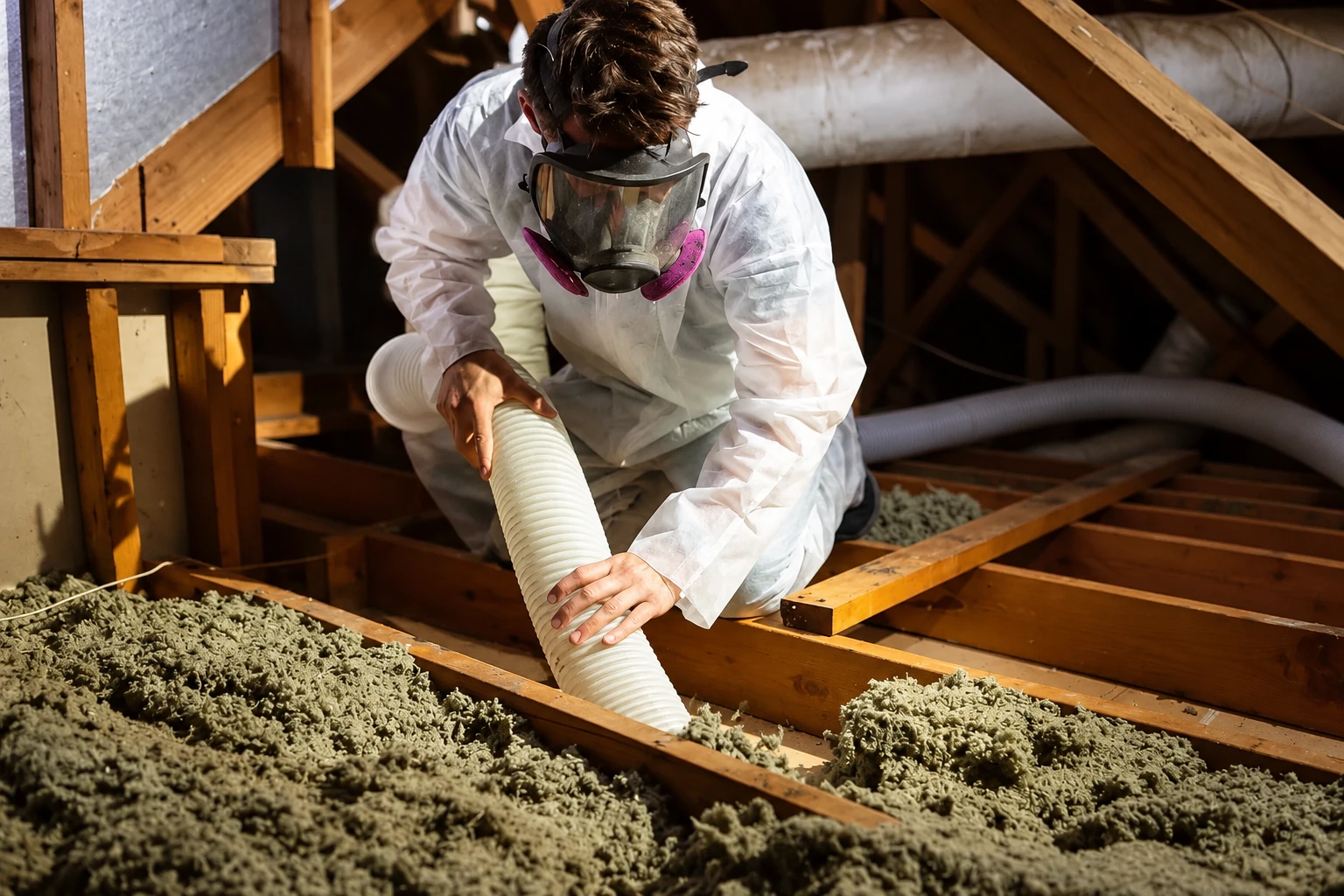
Blown-in insulation is loose fill blown through a hose. It's how we usually top up an attic that already has a few settled inches, because it fills around joists and wiring without leaving gaps.
If several rooms feel drafty, we look at the whole house, including the attic, walls and floor. Then we tell you which part is worth fixing first instead of doing everything at once.
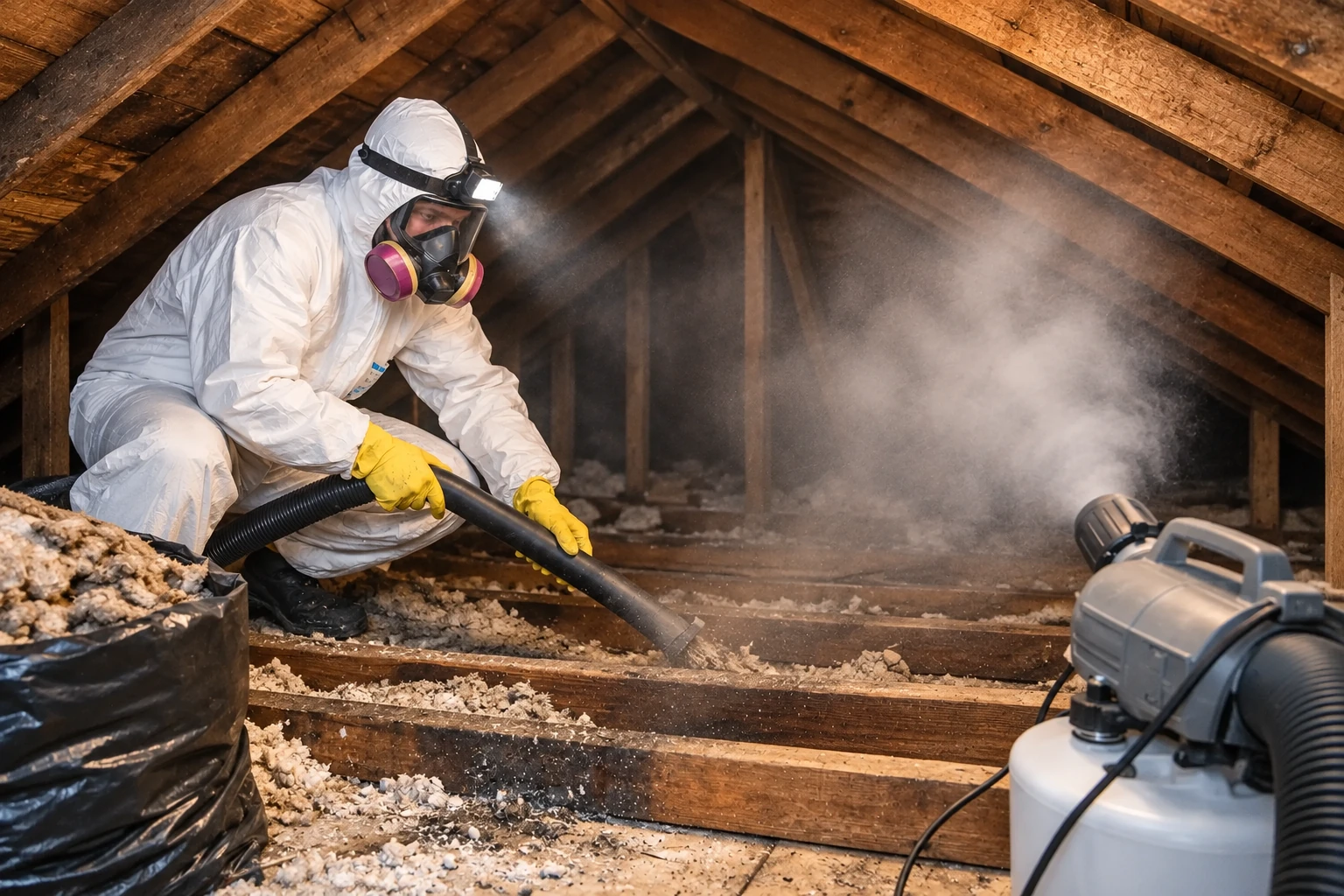
Old insulation that got wet, smells musty or is full of droppings comes out before anything new goes in. We bag it, vacuum the attic out and check the framing underneath.
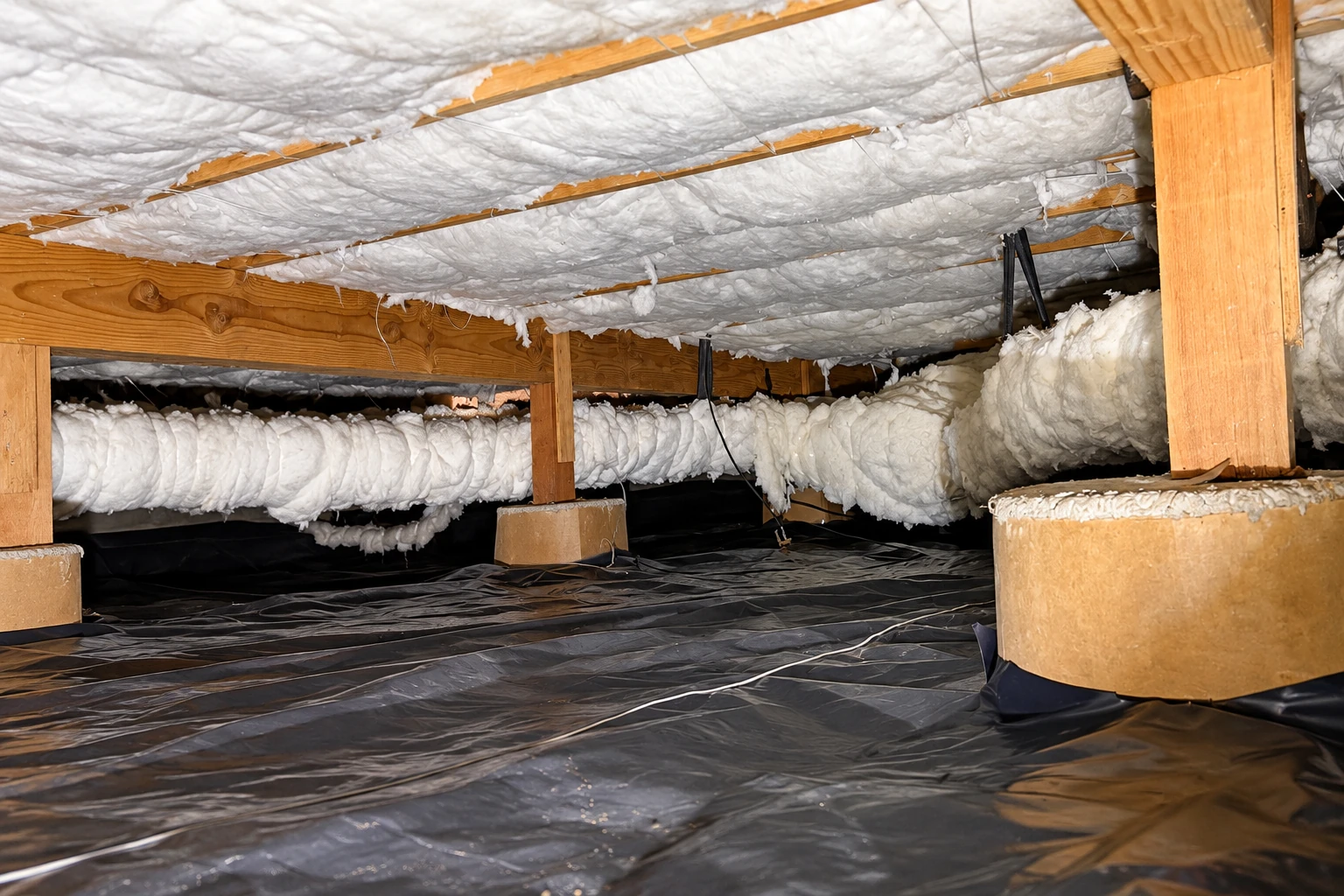
Cold floors over a crawl space usually mean there's little or nothing under the boards. We insulate between the floor joists and fasten it so it doesn't sag down over time.
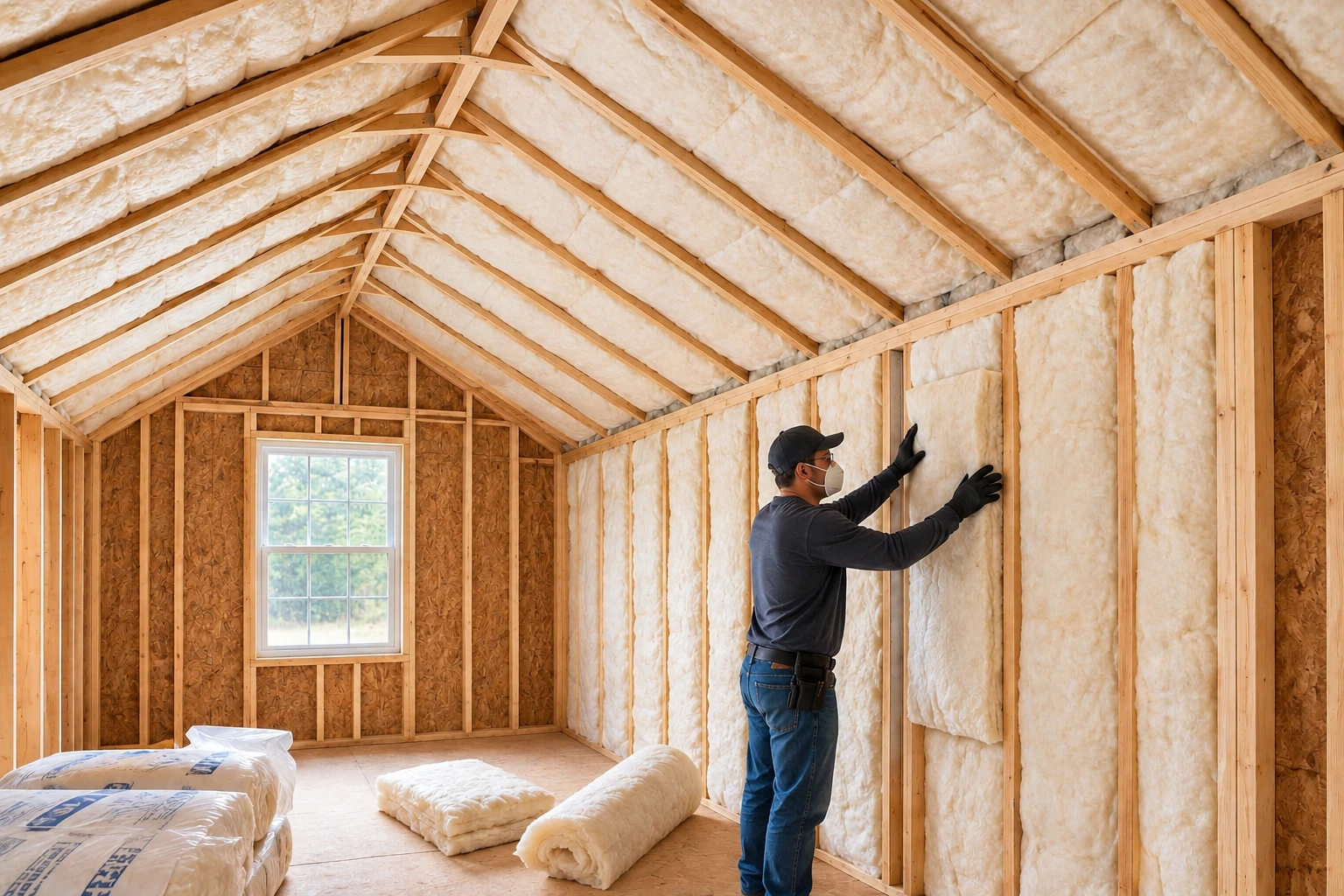
Walls in older houses are often empty or only half full. We can fill closed walls through small holes and patch them, or insulate open walls during a remodel before the drywall goes up.
Air sealing means closing the gaps that let air leak in and out, and we do it before we insulate. In older homes, those gaps are often where the draft you feel is really coming from.
Basements and lower-level rooms tend to stay cold. We insulate the walls and rim joists, but we check for water coming in first, because insulation over a wet wall won't last.
Closed-cell foam is dense foam that also blocks moisture. We use it where damp air or water is a concern, such as rim joists, crawl space walls and some basement walls.
Open-cell foam is lighter and softer, and it fills cavities and quiets noise well. It's a common pick for rooflines and interior walls where moisture isn't the main worry.
For offices, shops and small commercial buildings in San Anselmo, we insulate and seal ceilings, walls and roof decks. Where we can, we plan the work around your business hours.
A crawl space vapor barrier is a heavy plastic sheet laid over the dirt so ground moisture doesn't rise into the floor and the insulation. We overlap the seams and seal them.
Walls, ceilings and floors sometimes need a vapor barrier on one side of the insulation. On the wrong side it traps moisture, so we check how your house is built before we put one in.
Before new insulation goes into your attic, we seal around can lights, pipes, wiring holes and the hatch. If that step gets skipped, the new layer mostly just filters drafts.
Retrofit insulation means adding insulation to a house that's already finished and lived in, which is most of what we do. We work around your stored things, your floors and your schedule.
We reply to every San Anselmo call and message within one business day to set up a time. I come out myself and look at your attic or crawl space before I write the estimate. It's free, and you're under no obligation to go ahead.
(628) 234-2144Permits for construction in San Anselmo come from the Town of San Anselmo Building Department, and the department says most projects need one. When your job needs a permit, the review and the inspection set part of the schedule, so I want to know early. Permit applications and inspections go through eTrakit, the online system the Building Department uses.
When a permit is needed, we pull it and set up the inspection. If it isn't clear whether your job needs one, I'll find out before we start. Before you hire anyone, ask to see their California contractor license and ask whether they hold a San Anselmo business license. We handle jobs the same way in Corte Madera and San Rafael.
The price mostly comes down to what's already in your attic and what has to happen before new insulation goes in. Removing soaked or dirty material, the number of gaps to seal, how tight the attic is to crawl through, and foam versus loose fill all move the number. Removal and permit inspections add time to the schedule. I look at the space in person before I write the estimate.
I spent my first years insulating new houses, where the walls are open and nobody lives there yet. That's where I learned how insulation is supposed to go in. I started this business in 2023 to work on lived-in homes, where leaks and old problems have to be handled first. If they aren't, the new insulation doesn't do much.
I come out myself to look at your attic and write the estimate, and I'm on site running our crew during the install. That way, the person who drew up the plan is also the one checking that it gets done right. We're licensed and insured, and our work is backed by our satisfaction guarantee.
If more insulation won't help until something else gets fixed, I'll tell you on the visit. I'll also tell you when a pricier option isn't worth paying for. You'll know what we found and why before you decide anything. To set up a visit, call (628) 234-2144 or use our estimate form.
Most of what changes an insulation job here comes from the house itself: what's already in it, how it's built and where it sits. These are the things I look for on a San Anselmo visit.
If your house is in the AE flood zone and the insulation is part of bigger work on the house, San Anselmo's flood rule may apply. When work over five years adds up to half or more of the structure's value, you'll need an Elevation Certificate, you'll need to meet FEMA's requirements, and you'll need a separate permit. Tell me early if you're planning a larger remodel.
Most older attics already have something in them, often a few inches that have settled or been packed down by stored boxes. If it's dry and clean, we usually leave it in place and add on top. If it's water-stained, smells musty or is full of droppings, it comes out first, because covering it just keeps the problem in your house.
Houses with a raised floor often have an open crawl space with little or no insulation under the boards, which is why the floors feel cold. We check the ground for moisture first and lay a vapor barrier if it needs one. Then we insulate between the floor joists and fasten the insulation so it stays put.
If your heating ducts run through the attic, foam on the underside of the roof brings them inside the insulated space. That costs more, because the foam seals air and insulates in one pass. Without ducts up there, sealing the gaps and topping up with loose fill usually does the job for less, and that's what I'll usually recommend.
Your job may need one, because San Anselmo says most projects require a permit. Whether yours does depends on the work, so I check before we start. If a permit is needed, we pull it and set up the inspection, so you don't have to sort out the paperwork yourself.
On weekdays, crews can work from 7 a.m. to 7 p.m., with only quiet work before 8 a.m. unless Public Works approves otherwise. Saturday hours are 9 a.m. to 5 p.m., Sunday hours are noon to 5 p.m., and there's no work on Town holidays. In Bald Hill, work is allowed only on weekdays from 8 a.m. to 4:30 p.m., and we schedule around that.
Yes, whenever the job needs a building permit, uses any additional workers, or totals $1,000 or more in labor and materials across one or more contracts. Splitting a bigger job into smaller contracts to stay under that amount doesn't qualify for the exemption. The license comes from the California Contractors State License Board, and we're licensed and insured.
The price comes down to the attic's size, what has to come out, how much sealing it needs and which material goes in, so I give you a number only after I've seen the space. Removing dirty insulation and choosing foam raise the cost. Topping up dry insulation with blown-in keeps it lower.
A clean attic that only needs sealing and a blown-in top-up goes quickest. Removing old insulation, spraying foam and working in tight access all add time. A permit inspection adds a step to the schedule. I'll walk you through the plan for your house when I come out.
For blown-in insulation and air sealing, you can usually stay home, and we keep the work to the attic and the path to it. Spray foam is different. You, the kids and the pets stay out until the foam maker's re-entry time is up, which is how long the maker says to wait before coming back in. Clearing boxes away from the hatch beforehand saves time.
Call (628) 234-2144 any day from 8 a.m. to 9 p.m., or send our estimate form, and you'll find out whether your attic needs fixing before it needs more insulation.