
Spray foam insulation
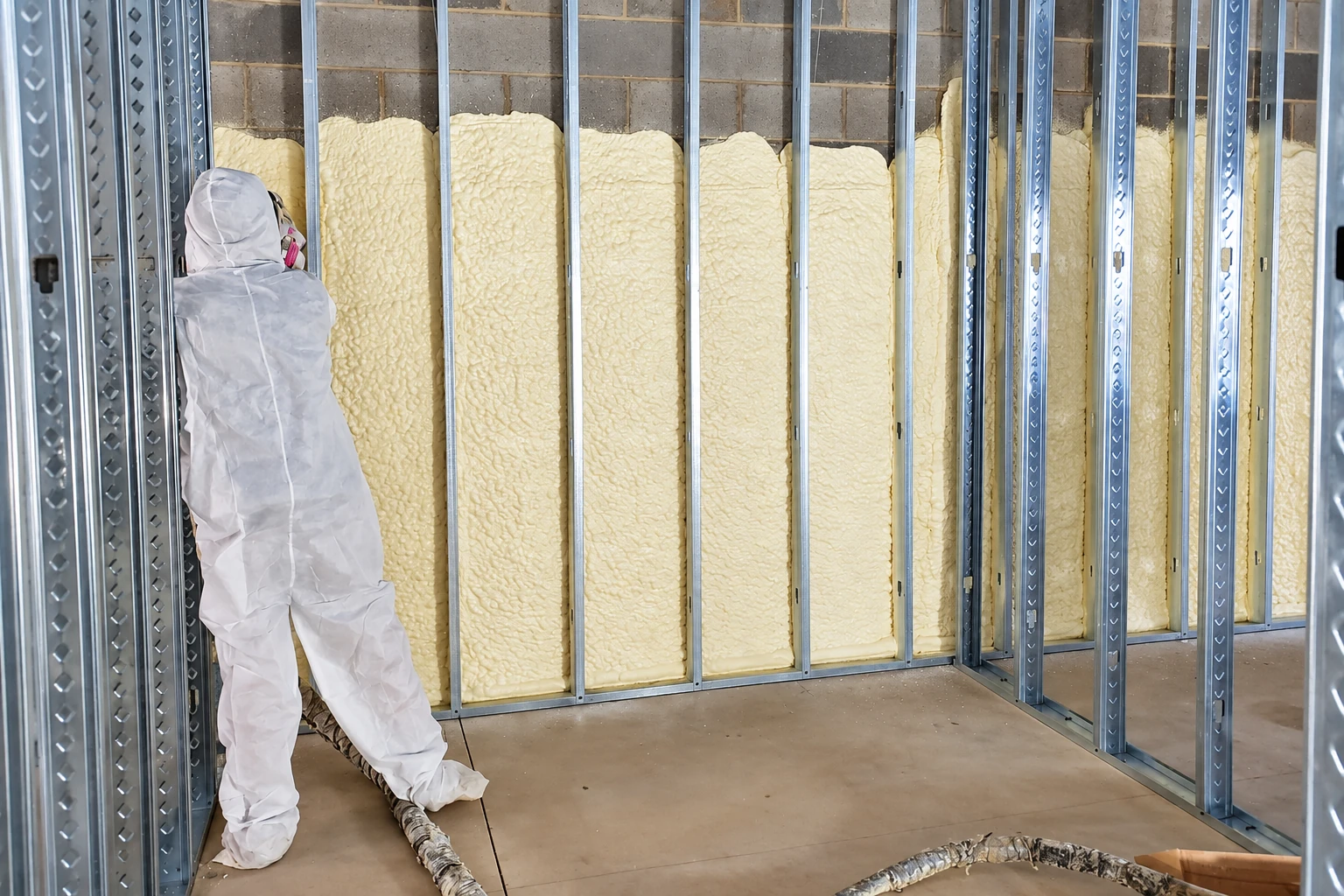
Spray foam fits tight spots like rim joists and the room over the garage, where it seals air and insulates in one pass. It costs more, so we use it where loose fill can't do the job.
Comfort San Rafael Insulation Services is an insulation contractor based in San Rafael, CA, working in Berkeley homes. We clear out old or damaged insulation, seal the attic and crawl space, then add insulation that actually does its job.
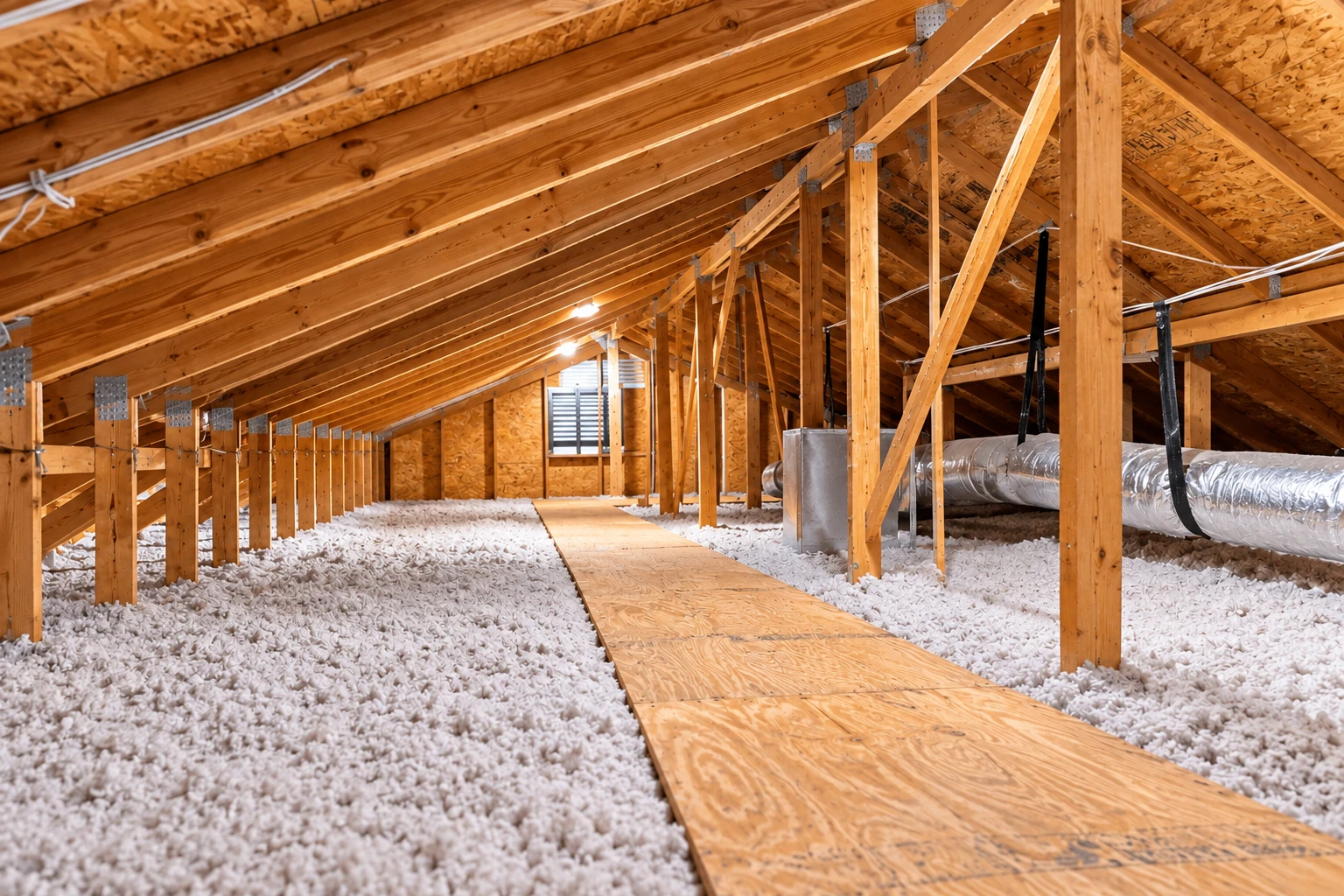
Comfort San Rafael Insulation Services insulates and seals Berkeley homes, from the attic and walls down to the crawl space. A lot of the work here starts with fixing what's already up there, and then we add insulation so the upstairs stops running hot and the floors stop running cold.
Many of the Berkeley houses we work in are older and lived in, and their attics hold a little of everything. We find thin, packed-down fill, gaps around light fixtures and pipes, and boxes stacked over the hatch. We work around what's stored up there and the people living below, which is the kind of job I started this business for.
The calls we get here sound like the ones we get in San Anselmo and across Marin: a drafty bedroom, a hot room over the garage, a power bill that keeps climbing. The fix usually starts with air sealing, closing the gaps before we insulate, so the new layer isn't fighting a draft. Cold floors usually point to a crawl space with little or nothing between the joists.
Spray foam fits tight spots like rim joists and the room over the garage, where it seals air and insulates in one pass. It costs more, so we use it where loose fill can't do the job.
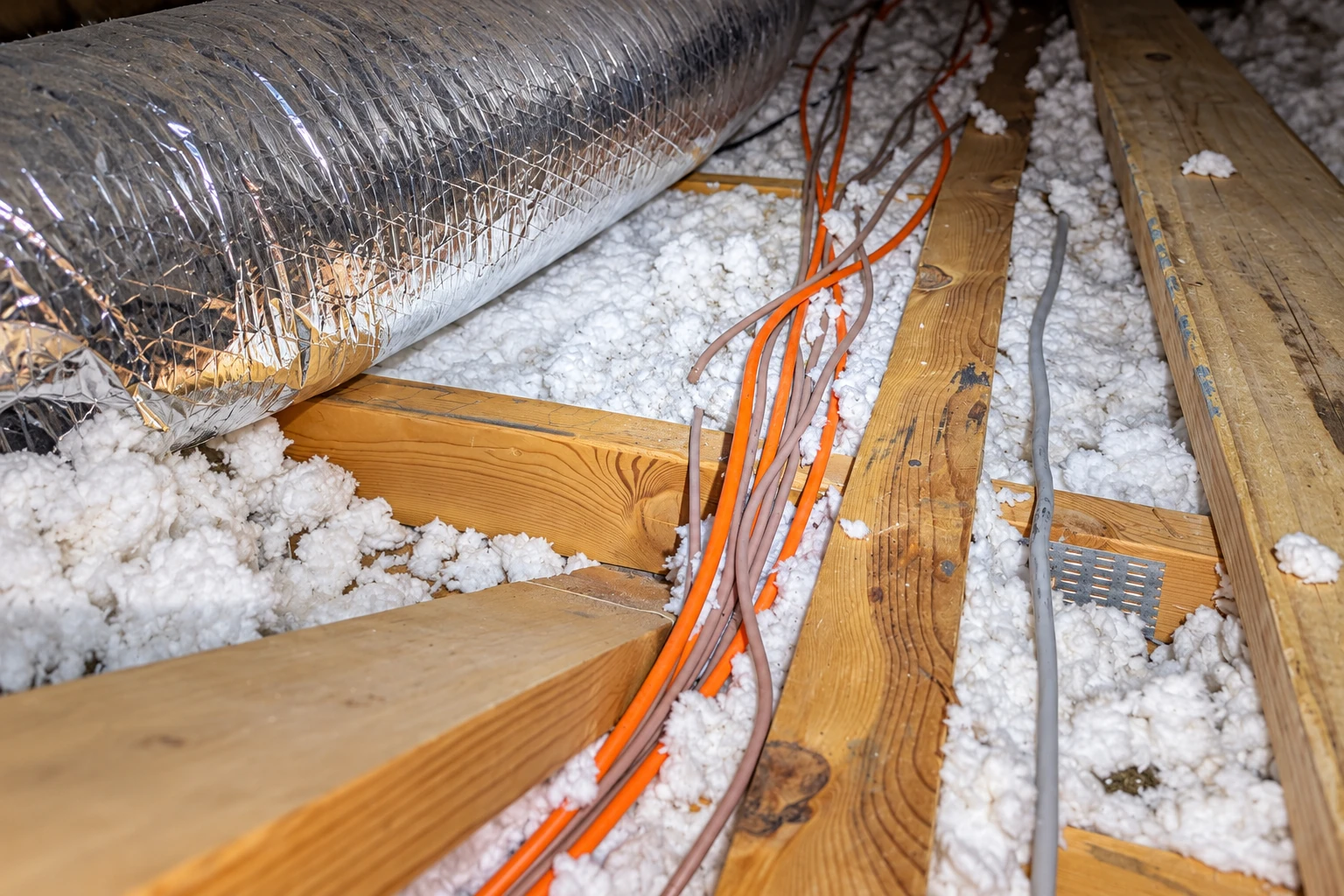
Attic insulation is where most jobs start. We clear the hatch, check what's up there, seal the gaps, then build the layer deep and even, all the way out to the eaves.
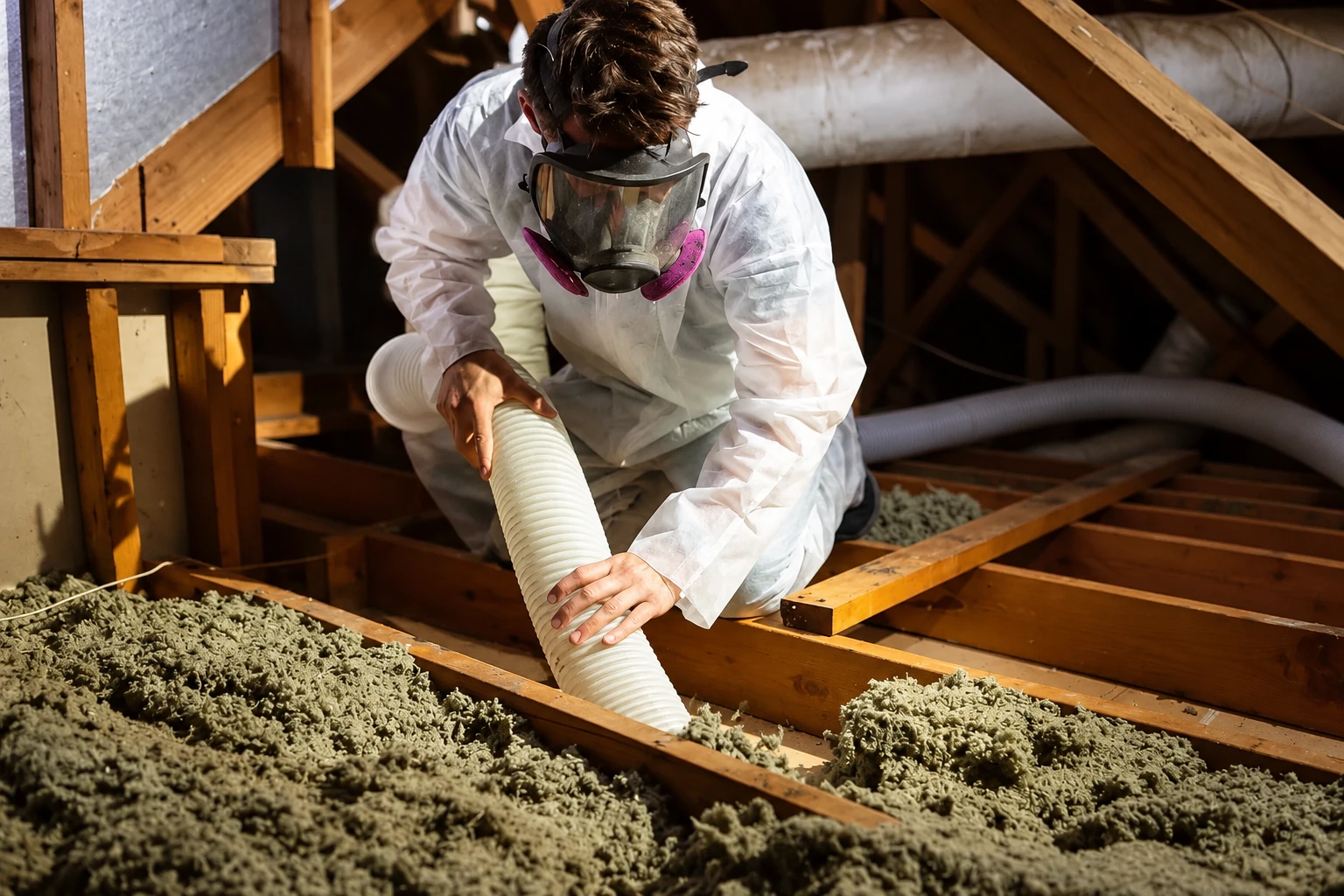
Blown-in insulation, loose fill blown through a hose, tops up an attic that's gone thin over the years. We keep it full depth at the edges, not just piled in the middle.
If several rooms are cold or the whole house feels drafty, we look at the attic, walls and crawl space together and tell you which one to fix first.
When old insulation is soaked, crushed flat or full of droppings, we bag it and haul it out so the attic starts clean before anything new goes in.
Cold floors in an older house usually mean the crawl space below is bare. We insulate between the floor joists and hold the material up tight against the floor.
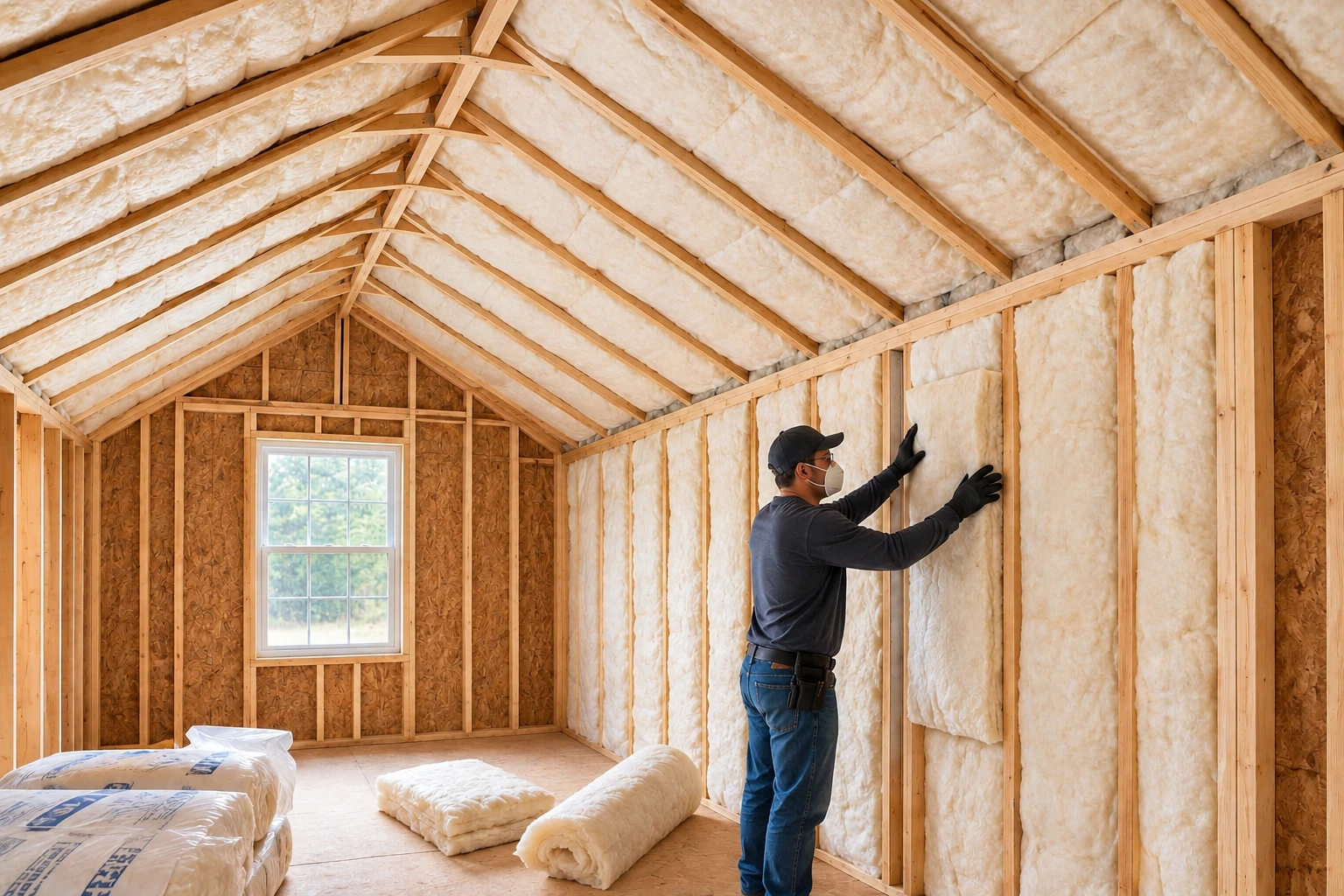
Exterior walls in older homes are often empty or close to it. We fill them through small openings, which helps the rooms that never seem to warm up.
Air sealing covers the whole house, from gaps at the sill and around ducts to the holes where pipes and wires pass through walls. It's often worth doing before any insulation at all.
Basement walls and rim joists lose heat and let in damp air. We insulate them so the floor above feels warmer and the basement is easier to use.
Closed-cell foam, dense foam that blocks moisture, is the pick for damp spots where both air and water need stopping. I'll tell you when it's worth the higher price and when it isn't.
Open-cell foam is softer and lighter, so it fills odd cavities and quiets sound between rooms. It suits dry spaces inside the house, not damp ones.
We insulate offices, shops and other small commercial spaces the same way we do houses, sealing first and planning the work around the hours you're open.
A crawl space vapor barrier is heavy plastic laid over bare dirt, so ground moisture stays out of the floor framing and the insulation above it.
Put in the wrong place, a vapor barrier traps moisture instead of stopping it. We check where it belongs in your wall, floor or attic before we install one.
Attic air sealing closes the holes around can lights, plumbing stacks, wiring and the hatch before insulation goes on top, so warm air stops leaking up through the ceiling.
Retrofit insulation adds insulation to a finished, lived-in house without tearing it apart. It's the work I started this business to do, and we plan it around your rooms and your things.
Send the form and we'll get back to you within one business day to set a time. I come out to your Berkeley home myself, look at the attic or crawl space before I write anything down, and leave you a free estimate with no obligation.
(628) 234-2144In Berkeley, the city's Permit Service Center issues building permits, and whether your insulation job needs one is its call, not ours. When a job needs one, we pull it and set up the inspection, and that inspection becomes part of the schedule. If I'm not sure yours needs a permit, I find out before we start.
Before you hire anyone, ask to see two licenses. One is a California contractor license, which the questions below cover. The other is the City of Berkeley business license, which the city treats as an annual tax and requires of everyone doing business there, contractors who apply for permits included.
Price and schedule both turn on how much old insulation has to come out, how many gaps need sealing, how easy the attic or crawl space is to reach and whether foam or loose fill suits the house, and the schedule also waits on any inspection. We drive over from San Rafael for Berkeley jobs the same way we do for Richmond, and your price comes with the estimate once I've seen the space.
I spent my first years in the trade insulating new houses, where the walls are open and nobody lives there yet. That taught me how insulation is supposed to go in. Lived-in homes taught me the rest, which is that leaks, wet material and buried eave vents have to be dealt with first, or the new insulation doesn't do much.
So I'd rather tell you your attic isn't ready than sell you a job that won't help. I started this business in 2023, I come out to look at the job myself, and I'm on site running the crew during the install. We're licensed and insured, and our work is backed by our satisfaction guarantee. Call (628) 234-2144 or use the estimate form to set up a visit.
Older houses and the city's rules both shape how an insulation job goes in Berkeley. Here's what we watch for, and what's worth checking with the city before work starts.
Older attics often hold insulation that's settled flat, soaked through from an old roof leak or full of rodent droppings. New material on top keeps the problem, so we remove what's bad, clear the eave vents so the attic can breathe and seal around lights, pipes and the hatch. Then fresh fill goes in deepest at the edges, where older attics usually run thinnest.
Some homes here run heating ducts through the attic, and that changes the choice between foam and loose fill. Foam costs more, but it seals air while it insulates, which can make it worth the price around ductwork. Without ducts up there, sealing the gaps and topping up loose fill usually does the job for less, and that's what I'll recommend.
If your project grows past insulation into duct or gas work, check with the city first. A city staff report proposed keeping a local rule that calls for motion-activated gas shut-off valves whenever a plumbing or mechanical permit is issued for a building with gas piping, whatever the job costs. If that rule is in force, it adds a part to the job.
Work the city exempts from a building permit still has to follow the California Building Standards Code and Berkeley's own laws. So a job without a permit doesn't skip the rules, and we insulate to the same standard either way. When a job does need a permit, the inspection is a second set of eyes on the same work.
Berkeley requires a building permit for all construction work and most repairs unless the work is specifically exempted, and any work on electrical, gas, plumbing or mechanical systems like ducts needs one too. The city's list of work exempt from building permits covers finish work like painting, tiling and carpeting. When your job needs a permit, we pull it and book the inspection.
Yes, if the job needs a building permit, uses any additional workers or costs $1,000 or more in labor and materials. The Contractors State License Board issues that license, and home improvement contractors have to hold it before they bid on your job. Ask any contractor for theirs before you sign.
On a home improvement contract in California, a contractor can't ask for or accept a down payment of more than $1,000, and on smaller contracts the limit is lower. The state contractor board sets that cap, and it applies to home improvement contracts across the state, including insulation work in Berkeley.
Your price comes from what your attic needs, so I give it to you after I've seen the space. An attic that's clean and just needs a top-up costs far less than one where old insulation has to come out first. When you call, tell us the house's age and how many inches are up there now, and I can tell you what kind of job it's likely to be.
Most of the time goes into the steps before new insulation, clearing old material and sealing gaps, so a top-up moves faster than a full clear-out. With blown-in fill you can usually stay home. Spray foam has a re-entry time, the wait before people and pets can come back inside, and I'll tell you how long it is before we schedule anything.
Clear a path to the attic hatch and move anything stored right around it, so the crew can get in without walking through your things. If the attic is full of boxes, they'll need to come out, because we can't seal or insulate under them. Keep pets in a closed room on install day.
We're open 8 AM to 9 PM seven days a week, so call (628) 234-2144 or fill out the form whenever that cold bedroom or high bill is on your mind.