Comfort San Rafael Insulation ServicesComfort San Rafael Insulation Services

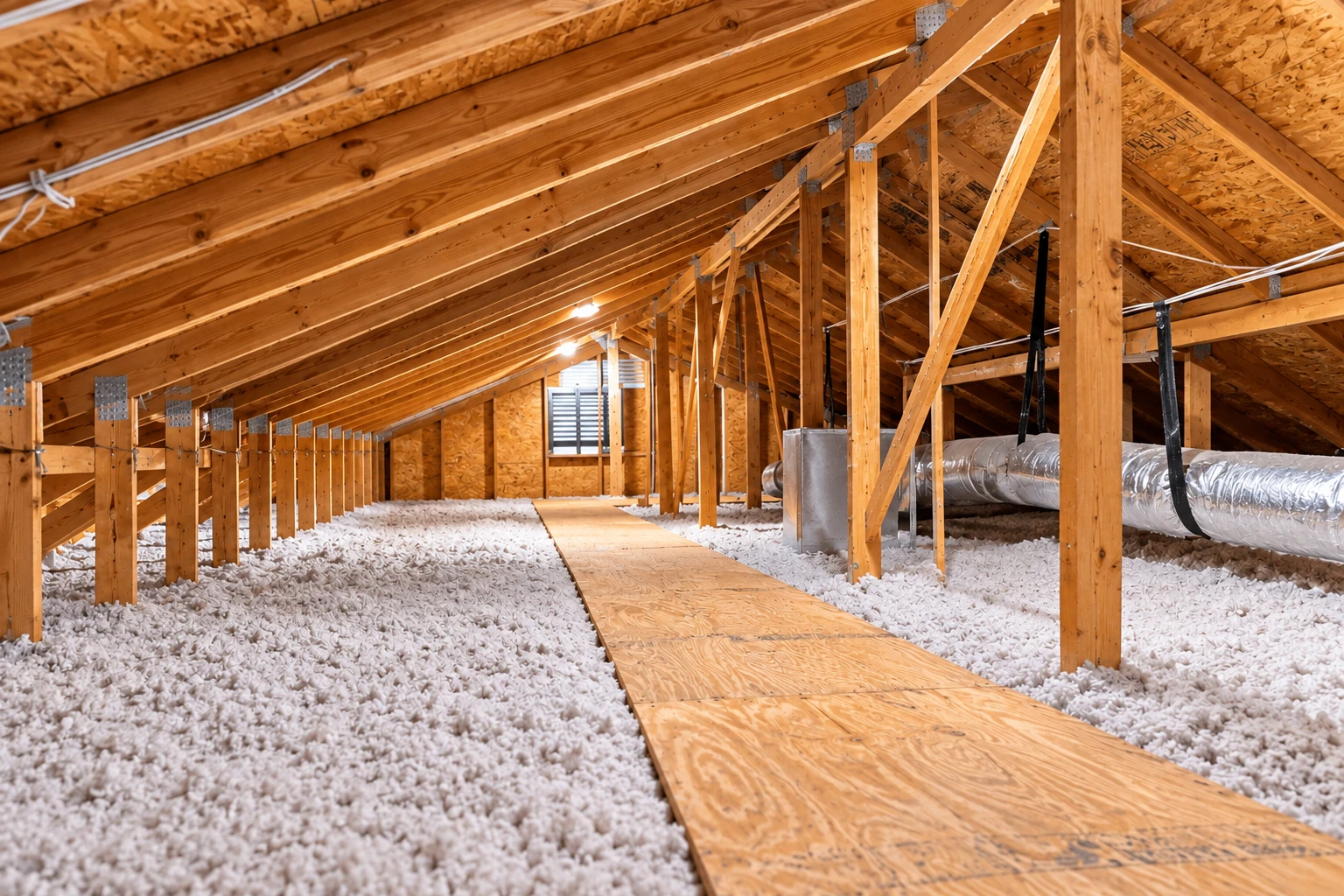
Blown-in insulation in San Rafael, CA - even coverage out to the attic edges

Hot upstairs rooms, cold floors or a power bill that keeps climbing? We seal the attic first, then blow in insulation that stays even.

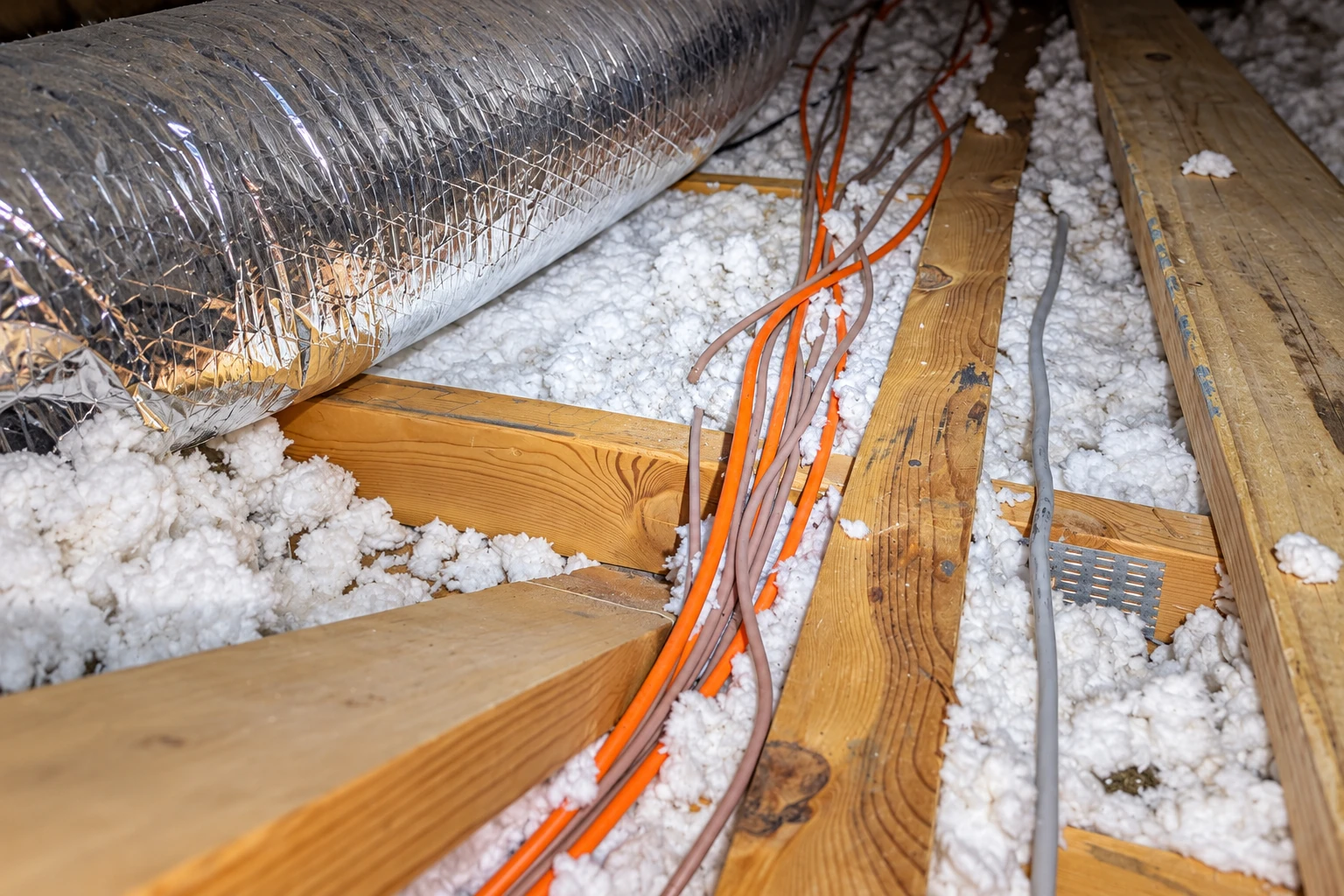
Loose white blown-in insulation covers an attic floor around a central wooden walkway and exposed roof framing.

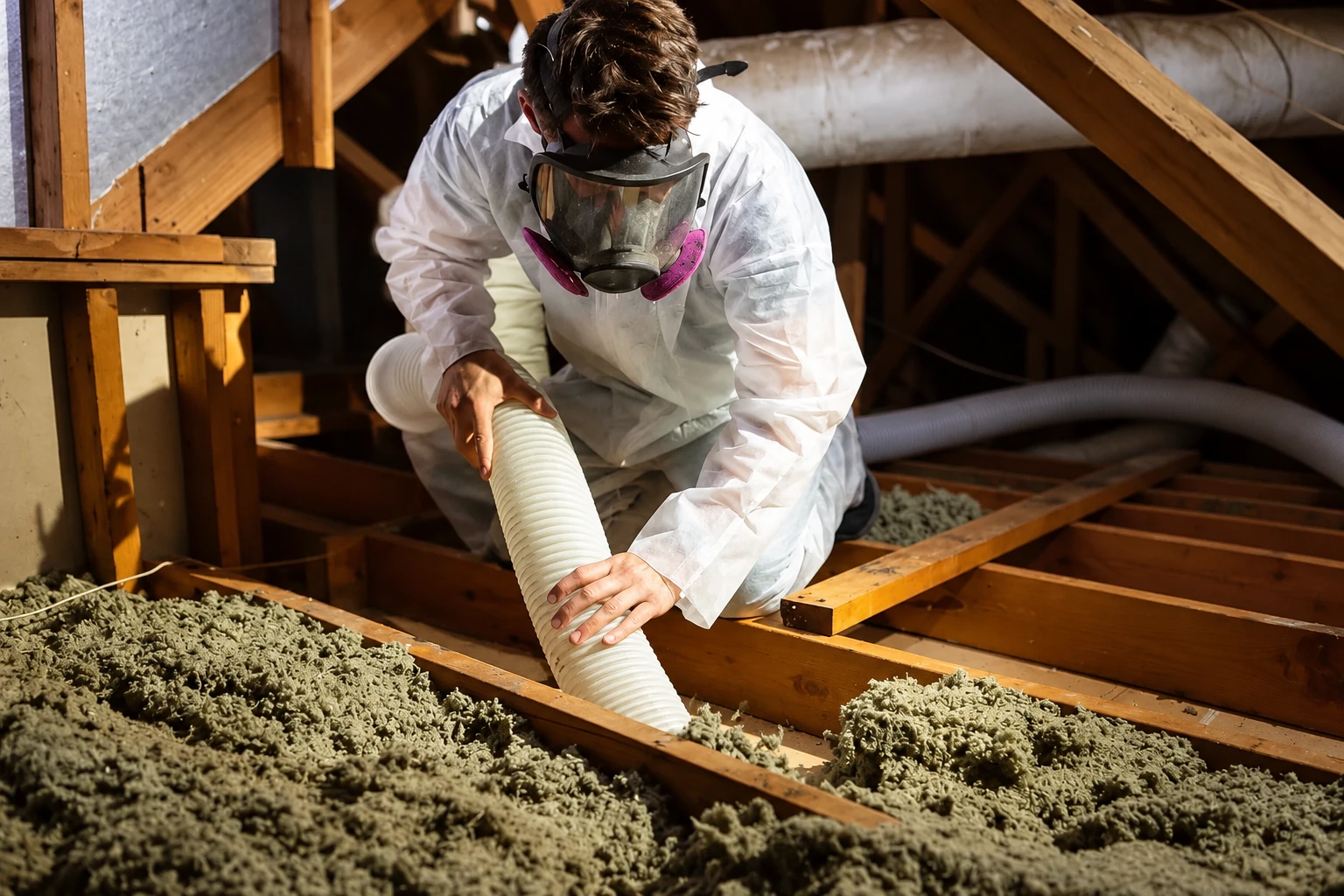
Blown-in insulation is loose fill blown through a hose across your attic floor or into the hollow spaces of your walls, and in San Rafael it's a practical way to warm up an older house without tearing anything out.

Is blown-in insulation right for my attic or walls?

Most calls I get start with an upstairs that's hot all summer, a drafty room over the garage or a power bill that won't come down. In an older house, the attic usually has a few inches of old insulation that's packed down, pushed aside or thin at the edges. Blowing in more helps, but only after we do the air sealing, closing the gaps in the ceiling so warm air stops slipping through.

The price turns on how big the attic is, how deep we're going, how much sealing comes first and whether old material has to come out. Walls take more work than an attic floor, because each cavity gets filled on its own. The schedule turns on the same things, plus how easy it is to get around a crowded attic. Your estimate puts all of that on paper for your house.

What decides how your attic job goes

Three things I check on every visit shape what the job takes and what it costs. Most of them only show up once I'm in the attic with a flashlight.

What's already up there

I measure how many inches you have and look at what shape it's in. Dry old insulation can usually stay and get topped up. If it's been soaked by a roof leak or is full of droppings, new material on top just buries the problem, so it has to come out first.

Gaps around lights and pipes

Can lights, plumbing pipes, wiring holes and the attic hatch all leak air from the rooms below. If those stay open, new insulation ends up fighting a draft all winter. We seal them before anything gets blown in, because once the fill is down, those gaps are buried and hard to reach.

Access and the boxes in the way

Lived-in attics hold holiday boxes, old lumber and the odd surprise. We need a clear path from the hatch and room to work across the whole floor, so stored things either come down or get moved aside. A tight hatch or a low roof can add time, and I'll tell you that at the estimate.

What happens after you call about blown-in insulation

From the first call to the walkthrough at the end, here's who does what. I'm the one you meet at the start, and I'm on site while the crew works.

  1. 1

    Call or send us a message

    Call (628) 234-2144 or use the form and tell us what you're noticing, like a cold room, a high bill or old insulation you don't trust. We'll set a time for me to come out.

  2. 2

    I look before I write anything

    I come out myself and go into the attic, and the walls or crawl space if they're part of it. I look for anything that has to be fixed first, then write up your estimate.

  3. 3

    We prep, seal, then insulate

    If you go ahead, we handle any permit the job needs. Then our crew preps the space, seals the gaps and blows in the insulation, with me on site running it.

  4. 4

    Walk through the finished attic

    Before we leave, I walk you through what we did, what we sealed and what's up there now. If you want to see it for yourself, I'll show you from the hatch.

Request an estimate

How we install blown-in insulation

Blown-in only works if it's even. What matters is coverage that reaches all the way out to the edges, where the roof meets the outside walls, and enough density that it holds up instead of settling into gaps. A deep pile in the middle with thin edges is backward, because the edges are where a cold ceiling usually starts.

Before any fill goes in, we set baffles, guides at the eaves that keep the vents clear, so the attic keeps breathing and moisture doesn't build up in the framing. Once the material is blown, I check the depth across the attic before we pack up. If what's up there now is wet or dirty, that's an insulation removal job first.

Sometimes the attic isn't the whole story. If the floors are cold or the outside walls feel cool to the touch, I'll look at the rest of the house and tell you whether home insulation across the walls and crawl space makes more sense than another layer up top. I'd rather tell you that than sell you an attic job that won't help.

Seal and top up with loose fill

For most attics, sealing the gaps and topping up with blown-in is the better buy. It costs less than foam and does the job well, as long as the leaks are closed first.

Foam where the ducts run

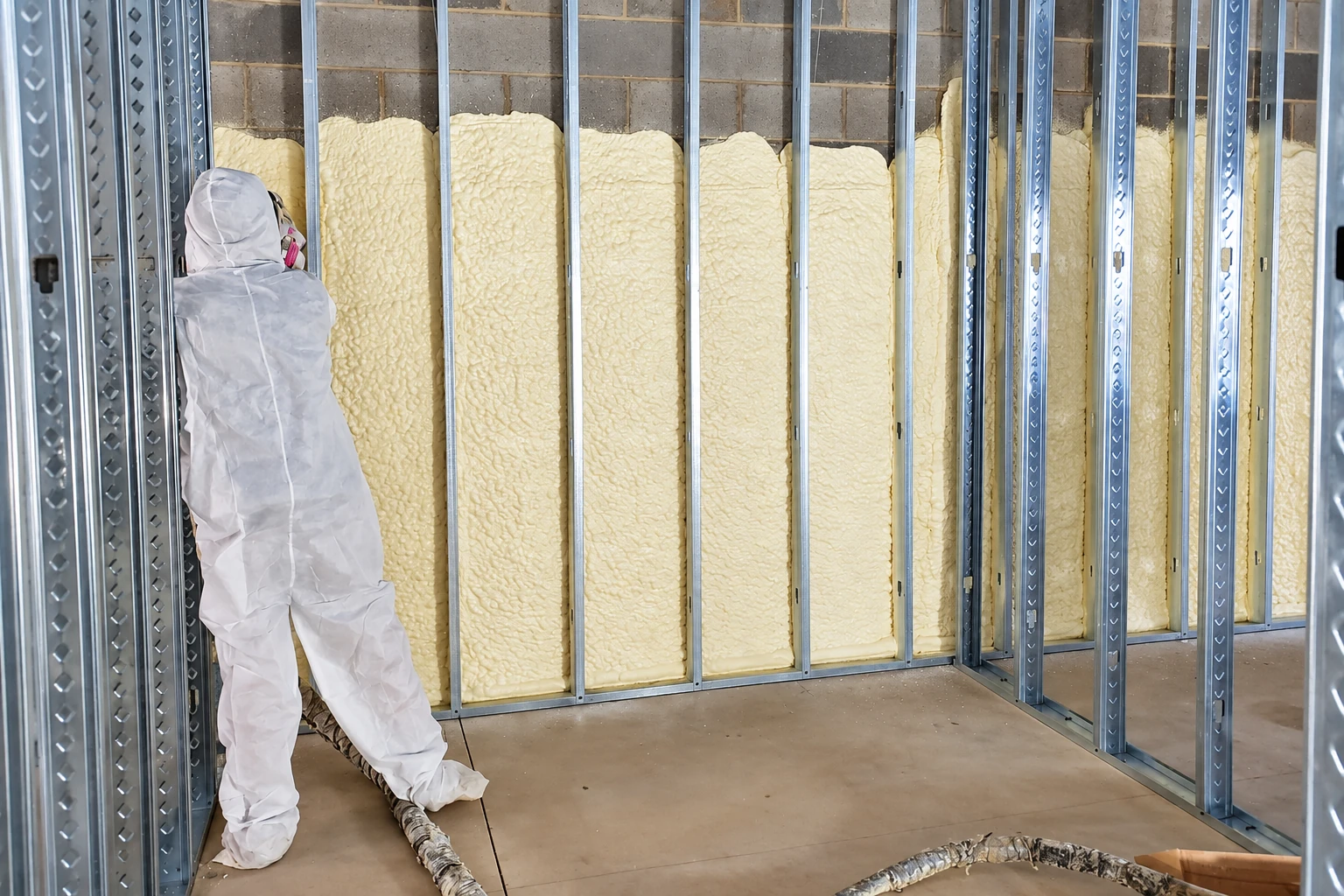
If your heating ducts run through the attic, closed-cell foam, a dense foam that also blocks moisture, can be worth the extra cost, because it seals and insulates in one pass around them.

Get a free on-site estimate for your attic

We reply to every call and message within one business day. I come out, look at the attic and anything else that's part of the job, and write up a free estimate. There's no obligation, so you can take it and think it over.

(628) 234-2144

hello@sanrafaelinsulation.com

What San Rafael and the state ask of blown-in insulation

Whether a blown-in job at your house needs a permit isn't something I'll guess at. The City of San Rafael takes permit applications and schedules inspections through its online system. When a job needs one, we pull it through the city or county office that covers your address and set up the inspection. If you're not sure about yours, I'll find out before we start.

The state also has a rule for existing attics in low-rise homes. The old insulation plus the new has to meet the state's R-value standard, and R-value is simply how well insulation slows heat. That's another reason I measure what you already have, because it counts toward the total.

Marin attics have one more thing to think about. Fire Safe Marin recommends swapping existing attic, soffit and gable vents for California-approved vents where you can, and calls the common quarter-inch screens ineffective. We see those screens on plenty of older homes here and in San Anselmo and Mill Valley, so it's worth a look while the attic is open.

Why San Rafael homeowners call Comfort San Rafael Insulation Services for blown-in insulation

I spent my first years in the trade insulating new houses, where the walls are open and nobody lives there yet. I started this business in 2023 to work on lived-in homes around San Rafael, because that's where the order of the steps matters most. Leaks and old problems get dealt with first, or the new insulation doesn't do much.

I come out myself to look at the job and write the estimate. Our crew does the install, and I'm on site running it, so the person who looked at your attic is the one making sure it's done right. We're licensed and insured. The work is backed by our satisfaction guarantee.

Most of what I find in an attic can be fixed, and some of it isn't worth paying for. Either way, you'll hear it straight. To get started, call (628) 234-2144 or send us a message, and I'll set a time to come look at your attic.

Home insulation

When the cold is in the floors and walls too, a whole-house plan reaches the places an attic job can't.

Insulation removal

If the old insulation is wet, dirty or full of droppings, clearing it out gives the new material a clean start.

Where we install blown-in insulation

We're based in San Rafael and work in cities across Marin and nearby, from Petaluma down to Strawberry and over to Richmond and Berkeley. If your city isn't listed here, call and ask.

Blown-in insulation questions from San Rafael homeowners

How much does blown-in insulation cost in San Rafael?

Around San Francisco, blown-in insulation usually costs about $3 to $9 per square foot of area covered. Where your job lands in that range depends on your attic and on whether we're filling walls, which take more work. I'll write up a number for your house after I've been up there.

Can you insulate existing walls without opening them up?

Yes, most existing walls can be filled without tearing them out. The usual way is drill and fill, where small holes go near the top of each wall cavity, from inside or outside, and the space gets packed with blown-in insulation. When we work from inside, we cover the floor and set up containment so the dust stays put.

Does an older home need extra care before blown-in insulation?

Often, yes, and the build year is the first thing I'll ask for. In homes built before 1980, lead safety rules can apply to wall work, depending on how much the walls get disturbed. A federal guide also reports that the electrical code doesn't allow insulation on or around knob-and-tube wiring, so if you have it, we plan around it from the start.

What paperwork should I get when my attic insulation is done?

California requires the contractor who installs attic insulation to certify to you, in writing, that it meets the state's requirements. Ask for that statement and keep it with your home records, because it shows what went in if you sell the house or add more later.

How long will the crew be in my attic, and do we have to leave the house?

Usually you can stay home for an attic job, because we work above the ceiling and come and go through the hatch. Wall work from inside means clearing the rooms we're working in. I'll tell you how long we'll be there once I've seen the attic and know how much sealing it needs.

What license does an insulation contractor need in California?

In California, the state license board's C-2 class covers contractors who install insulation for temperature or sound control. It's fair to ask any contractor you're thinking of hiring which license they hold, and to get that answer before anyone climbs into your attic.

Send your build year and attic size

Call (628) 234-2144 or use the form with your home's build year, a rough attic size in square feet and any old wiring or recessed lights you know of, so I can plan the visit before I climb up.

(628) 234-2144Request an estimate