
Spray foam insulation
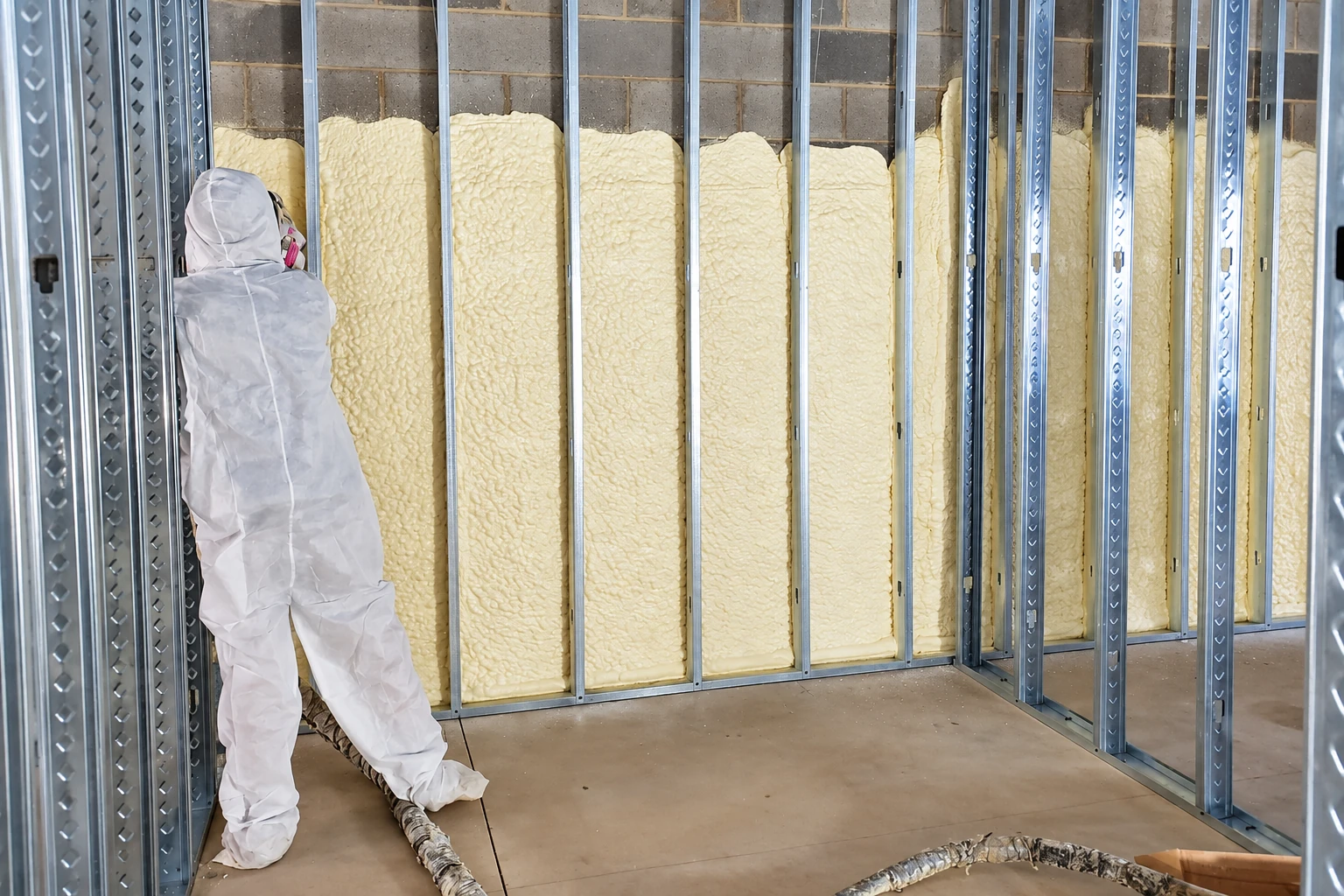
Spray foam seals air and insulates in one pass, and you pay more for that. We suggest it mainly when ductwork runs through the attic or a space can't be sealed any other way.
Comfort San Rafael Insulation Services insulates attics, walls and crawl spaces in Richmond homes. We clear out old or damaged insulation, seal the gaps into the attic and then add new insulation where it helps.
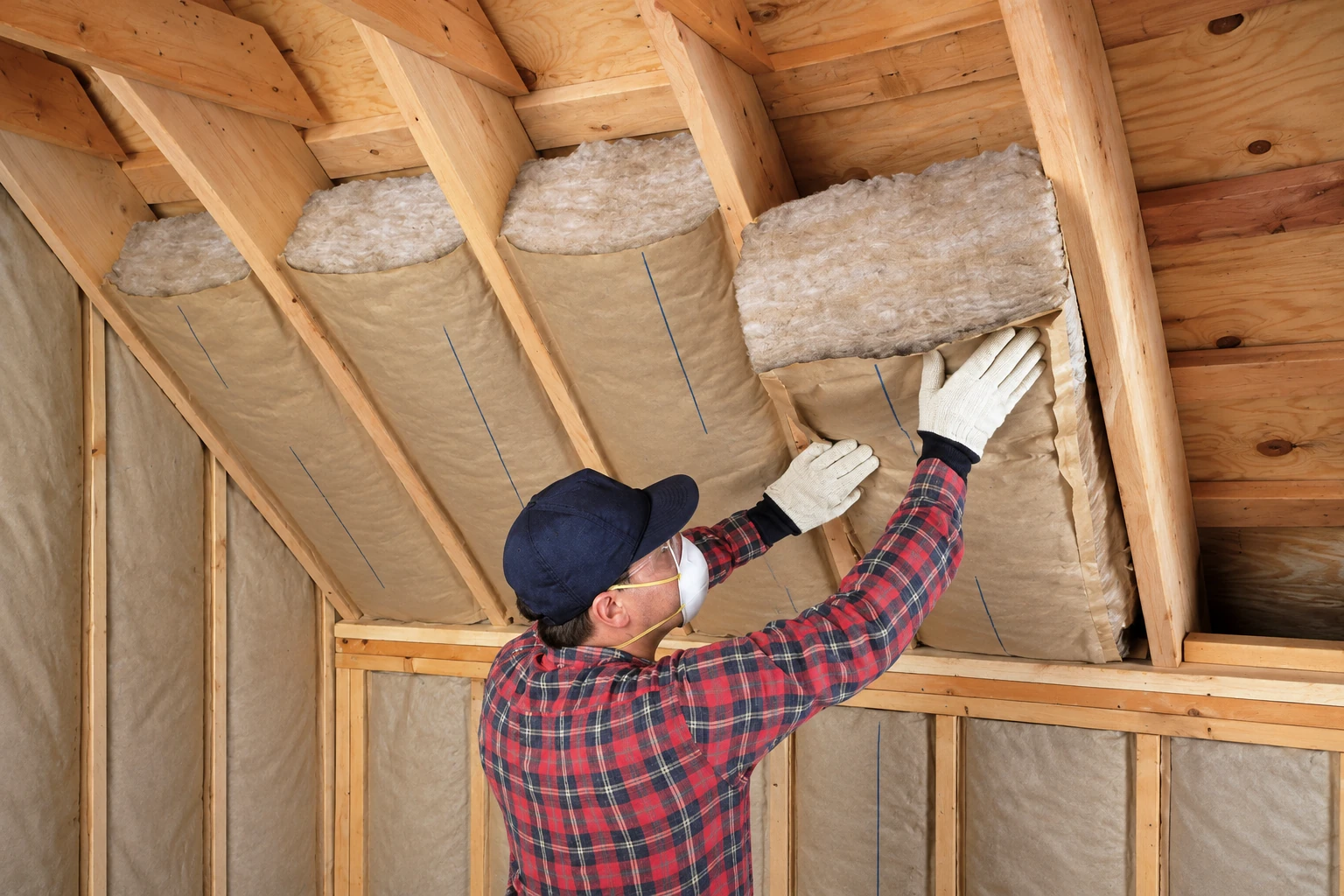
Comfort San Rafael Insulation Services is an insulation contractor based in San Rafael, CA, and we do the same work in Richmond. That covers attics, walls, crawl spaces and air sealing, which is closing the gaps into the attic before we add anything. It also covers taking out old insulation that shouldn't stay.
Most Richmond calls sound a lot like the ones we get in Marin. There's a room over the garage that never warms up, cold floors, a hot upstairs or a power bill that keeps climbing. Usually the house is older and lived in, and there's already some insulation up there that the owner doesn't trust. That's the work I started this business to do.
So the first visit is about what's already there. I check how many inches are in the attic, what shape it's in, where air is getting through and whether the crawl space needs attention too. Then we fix things in order, the same way we work in homes in Berkeley and across Marin.
Spray foam seals air and insulates in one pass, and you pay more for that. We suggest it mainly when ductwork runs through the attic or a space can't be sealed any other way.
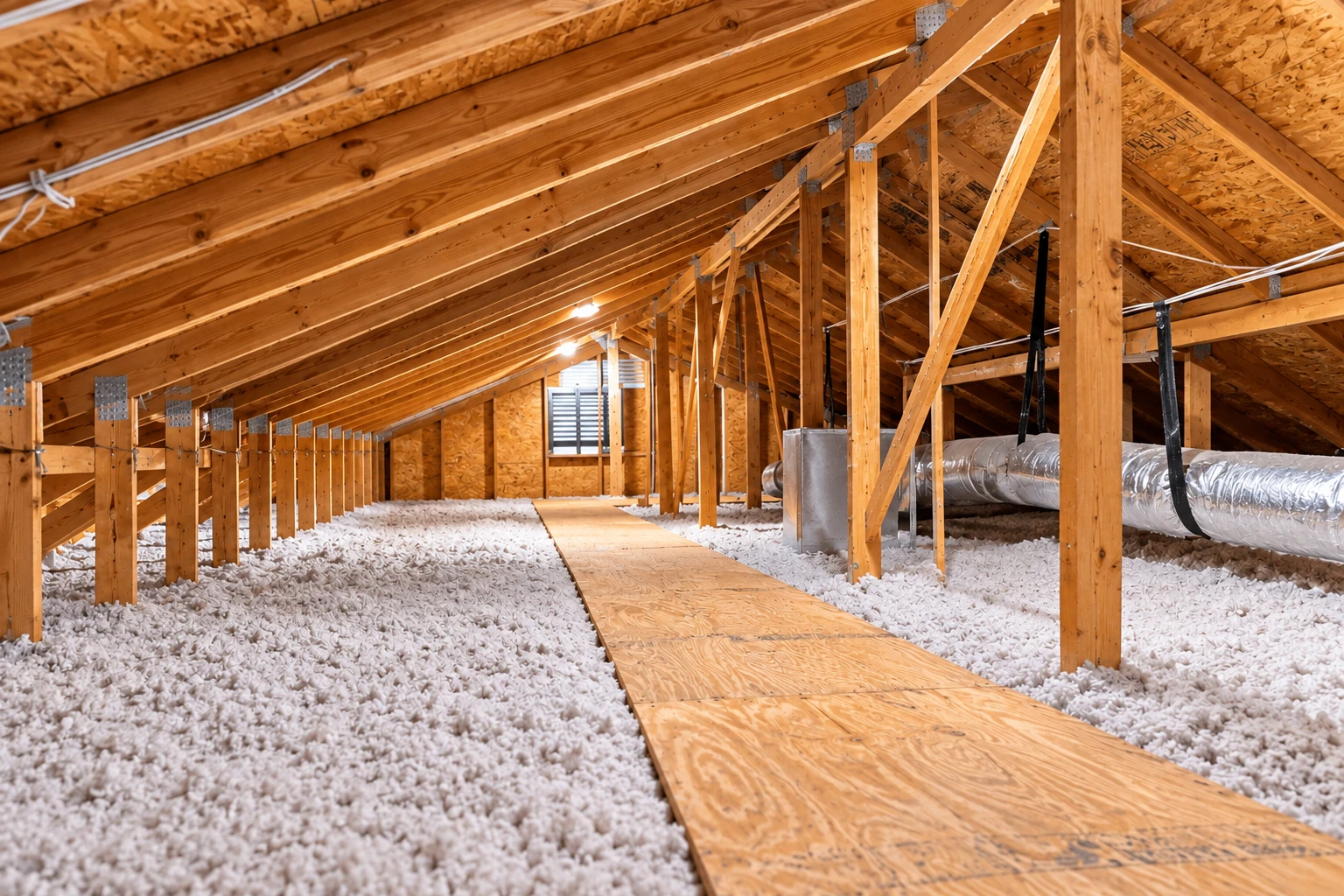
Most Richmond calls start in the attic, with a hot upstairs or a high power bill. We check what's up there and how deep it is before deciding what to add.
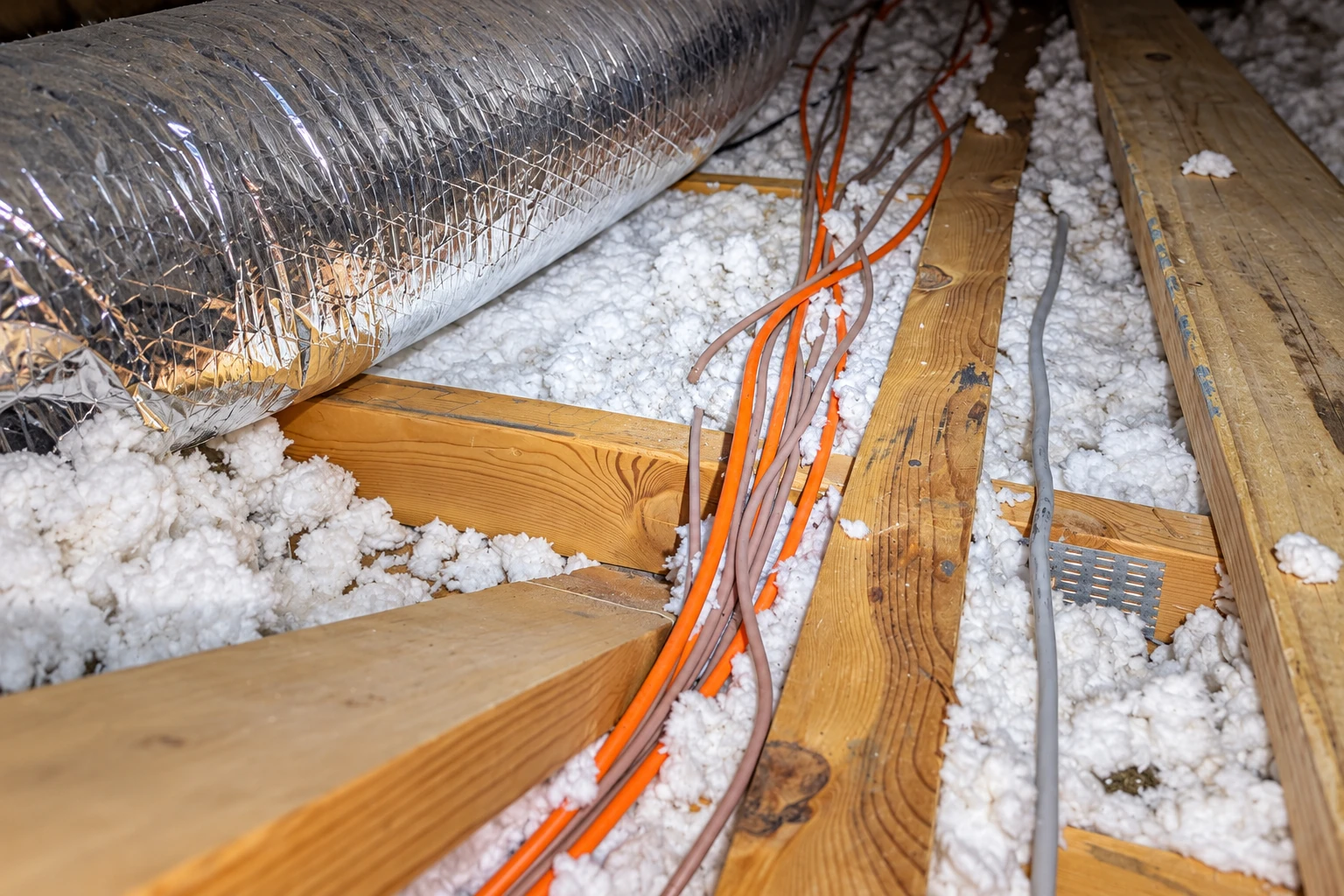
Blown-in insulation is loose fill blown through a hose, so it settles around joists and wiring. It's usually the simplest way to top up an attic once the gaps are sealed.
When several rooms are drafty, we look at the attic, walls and floor together, so you can fix the spaces that matter most first instead of doing everything at once.
Old insulation that got soaked or is full of droppings comes out before anything new goes in, because covering it just keeps the problem in your house.
Cold floors usually point to the crawl space. We insulate under the floor so the rooms above stop losing heat down through the boards.
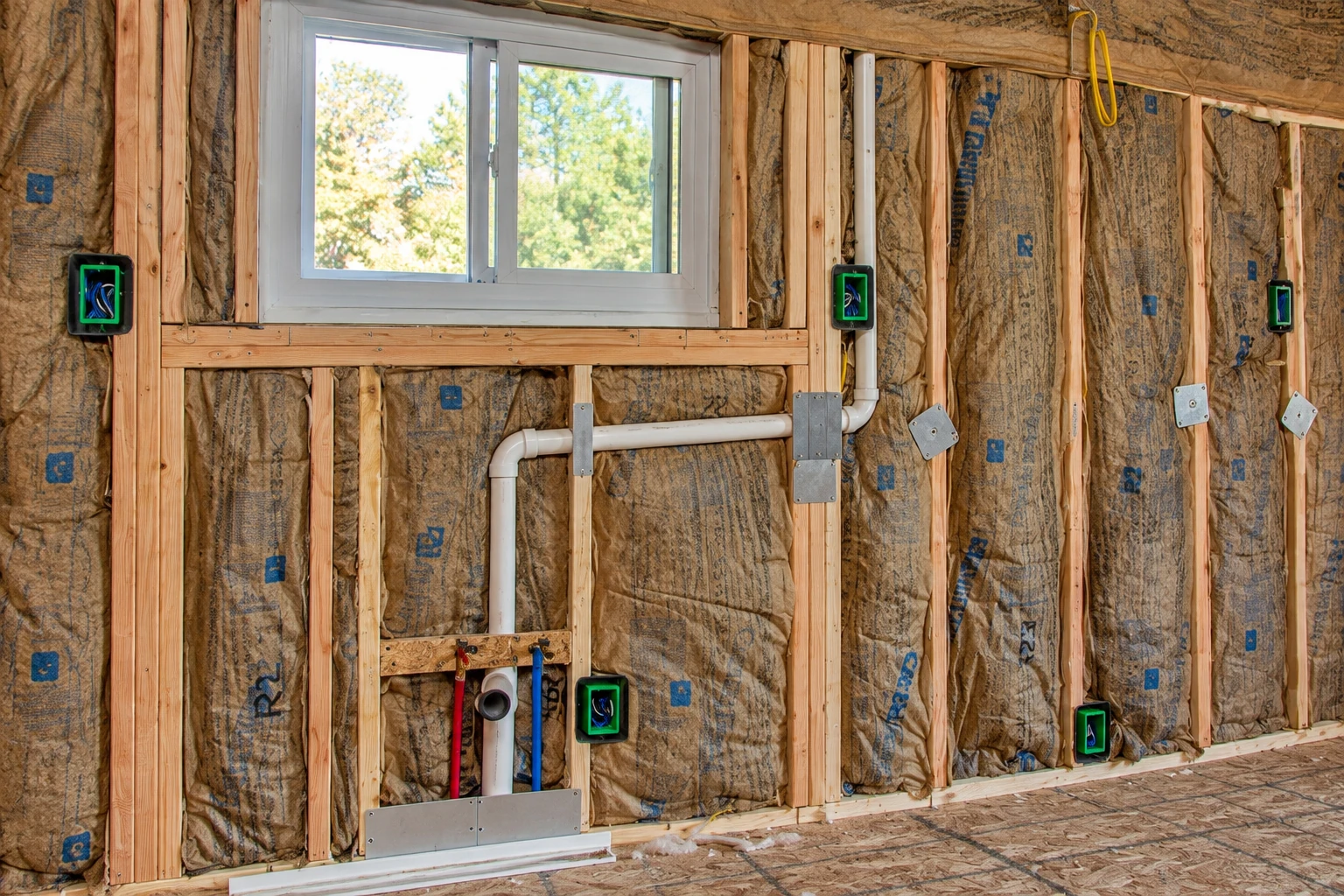
Walls in older houses are often empty or thin. We fill closed walls through small openings so you can stay in the room, then patch the holes when we're done.
We close the gaps around pipes, wires, can lights and the attic hatch, so warm air stops slipping out and new insulation doesn't have to fight a draft.
For a basement or lower floor that stays cold, we insulate the walls or the ceiling above it, depending on whether you use the space as a room.
Closed-cell foam is dense foam that blocks moisture as well as air. It suits a damp crawl space or a rim joist, where looser material would soak up water.
Open-cell foam is softer and lighter, and it fills odd-shaped spaces like the rafters over a finished room. It costs less than closed-cell, but it won't stop moisture.
We also insulate small commercial spaces in Richmond, like offices and shops, and plan the work around the hours people are inside.
A vapor barrier is a plastic sheet laid over the dirt in a crawl space, so ground moisture stays down there instead of rising into the floor and the insulation.
We add vapor barriers where moisture would otherwise reach the insulation, such as floors over damp spaces, so the insulation keeps doing its job.
Before any attic top-up, we seal the openings from the house into the attic. It's the step that gets skipped most, and the one that makes new insulation worth having.
Retrofit means adding insulation to a house that's finished and lived in. We work around your boxes, furniture and walls, which is the work I started this business for.
We reply to every call and message within one business day. I come out to your Richmond home myself, look at the attic or crawl space, and only then write the estimate. It's free, and there's no obligation.
(628) 234-2144In Richmond, building permits come from the city's Building Division, so that office decides whether your insulation job needs one. When it does, the permit becomes part of the schedule, and the city ties how fast it's issued to the scope of the work.
That office also gives you a way to check a contractor. When a licensed contractor registers for a permit, the city asks for a Contractor's State License Card, a Worker's Compensation Insurance Certificate and a current City of Richmond Business License, so ask whoever you hire for all three. When a job needs a permit, we pull it through the city and set up the inspection, and if it's unclear, I find out before we start.
The price comes down to what we find. The inches already in place, whether old material has to come out, how many gaps need sealing, how hard the attic or crawl space is to reach and whether foam makes sense all move it. The schedule turns on that prep and on the permit when one's needed. Your estimate gives you your own figure, the same way we price jobs in San Rafael.
I spent my first years in the trade insulating new houses with open walls and nobody living in them. I started this business in 2023 to work on lived-in homes, where the attic has old insulation, a few surprises and somebody's boxes in it. I come out myself to look at the job and write the estimate, and I'm on site running the install with our crew.
We do the steps in order, sealing air leaks and clearing out bad material before adding anything, because new insulation over a problem doesn't do much. If your attic isn't ready, I'll tell you instead of selling you a job that won't help. We're licensed and insured, and our work is backed by our satisfaction guarantee. Call (628) 234-2144 or send us the form to set up a visit.
Most of the Richmond houses we're called to are lived in and already have some insulation. Four things decide whether adding more will actually help.
We look at what's already up there and how many inches deep it is. If it was soaked by an old roof leak or is full of droppings, it comes out first. Blowing fresh material over it buries the problem, and the smell, the mold or the pests stay in your house.
Can lights, plumbing vents, wiring holes and the attic hatch let warm air straight into the attic. We seal those before adding insulation, because loose fill slows heat but doesn't stop air from moving through it. Skip that step and the new layer spends its life fighting a draft.
The vents along the eaves let the attic breathe. When insulation gets piled into them, moist air has nowhere to go, and it shows up later as damp or stained framing. We set baffles, short channels that hold the insulation back, at the eaves so the airflow stays open.
The edges of an attic, where the roof gets low, are the hardest place to reach, so they often end up thin while the middle gets deep. That's backward, because the edges sit right over your outside walls. We work the low spots first so the coverage comes out even.
It can, so we check before we start. The city requires a building permit before a building is altered, repaired or improved, and its list of work exempt from permits says a permit is likely required for anything it doesn't list. If your job needs one, we pull it.
The city issues permits only to property owners or their authorized agents and to licensed contractors. On our jobs we pull it ourselves and bring the papers the city asks of a contractor, covered above. The city's Obtaining Permits page explains the steps, and applications go in online, or in person by appointment.
It depends on the scope of the work, and smaller jobs usually move fast. The city says most single-trade permits and residential remodels that need no drawings are issued once it receives and verifies the application documents. If your job needs more than that, I'll tell you at the estimate and we'll plan the start date around it.
Your figure comes from the estimate, after I've seen the attic, because what's already up there matters as much as its size. The biggest choice is foam or loose fill. Foam costs more and seals air as it insulates, but sealing the gaps and topping up with blown-in usually wins, unless your ductwork lives in the attic.
Usually the prep sets the time, not the new insulation. Clearing out old material and sealing gaps takes longer than blowing in fresh fill, so an attic that only needs a top-up goes quicker than one that has to be cleaned out first. I'll walk you through the plan for your house at the estimate.
With blown-in insulation and air sealing, you can usually stay home, though we'll ask you to keep kids and pets away from the hatch and the work area. Spray foam is different because it has a re-entry time, the wait before people and pets can come back inside, and we'll give you that time before we book the day.
Clear a path to the attic hatch or crawl space door, and move anything stored right under it. If you keep boxes up in the attic, tell me at the estimate, because they have to come out or be moved before we can seal and insulate around them.
You can call (628) 234-2144 any day between 8 AM and 9 PM, or send the form the next time you notice the cold room or the high bill.