Comfort San Rafael Insulation ServicesComfort San Rafael Insulation Services

Retrofit insulation in San Rafael, CA - warmer rooms without tearing the house apart

Cold rooms, a hot upstairs or old insulation you don't trust? We seal the gaps first, then add what your attic and walls are missing.

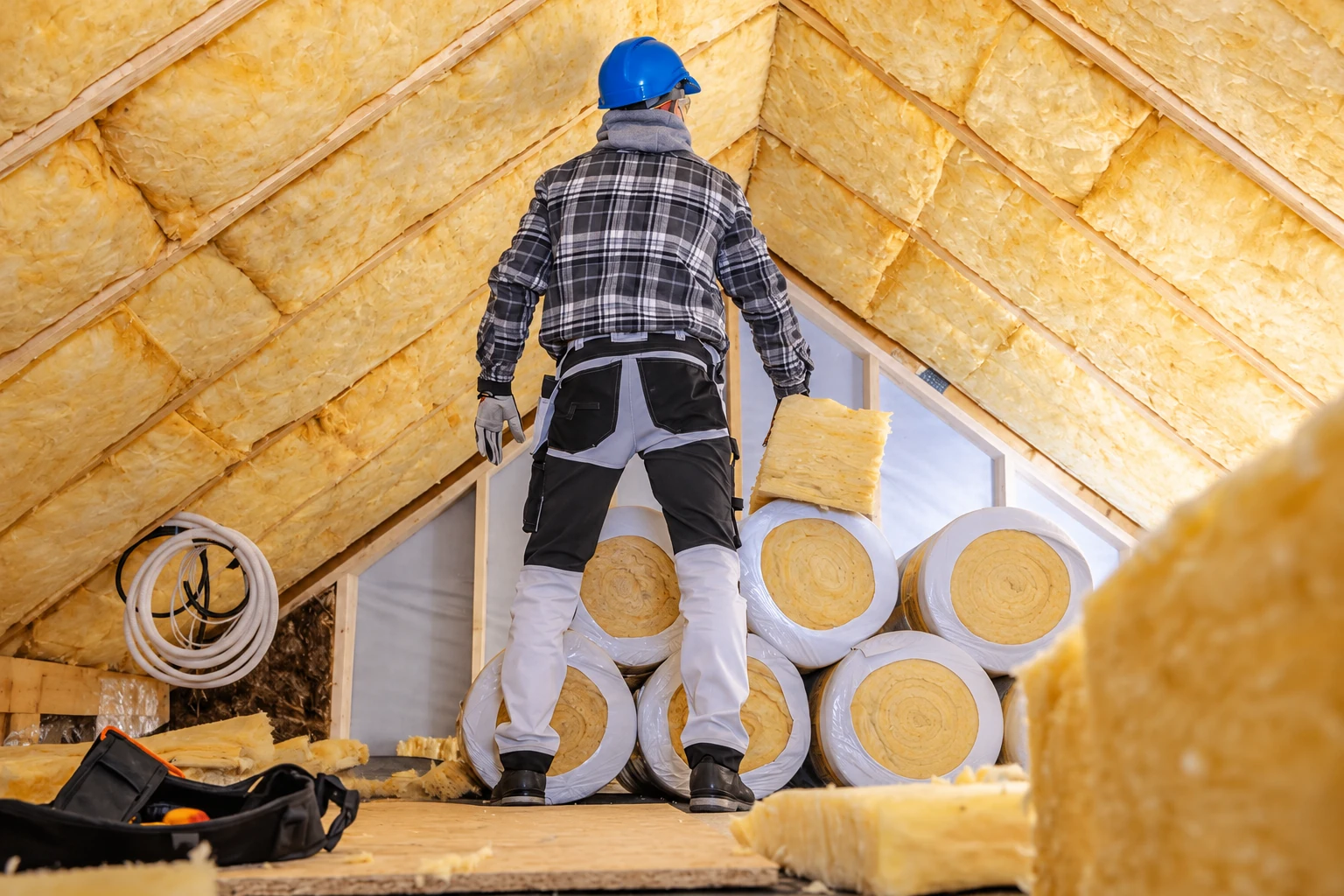
A worker in a blue hard hat stands among insulation rolls in an attic lined with yellow fiberglass batts.

Retrofit insulation in San Rafael, CA means adding insulation to a house that's already built and lived in, by topping up the attic or blowing it into closed walls, so drafty rooms hold their heat and the upstairs stays cooler in summer.

How do you add insulation to a house that's already finished?

Most of our calls come from older homes. The room over the garage stays cold, the floors are cold all winter, or the upstairs bakes in summer. At Comfort San Rafael Insulation Services, I start by finding out why, because a leak or a damp patch under the old insulation has to be fixed first, or the new layer won't do much.

The price moves with the size of the attic, how many inches are already up there and whether they're worth keeping, how much sealing the gaps take and whether you want the walls done too. The schedule turns mostly on whether something has to come out first and whether the job needs a permit. The written estimate I give after looking at your house has your price.

What decides whether new insulation actually helps

Three things decide whether adding insulation to an older house pays off. I check all three on the first visit, before anything goes on paper.

Old insulation counts toward the total

State rules say added attic insulation has to bring the total R-value, how well the insulation slows heat, up to the level set for single-family homes. What's already up there counts toward it, so we measure the inches you have and add the rest. Soaked or droppings-filled material comes out first, because covering it keeps the problem.

Gaps sealed before new insulation

Air sealing, closing the gaps where house air leaks into the attic, comes first, because insulation can't stop a draft running through it. Building guidance calls for solid blocking over big holes and open soffits, metal collars around hot flues and covers over can lights not rated for contact with insulation. Look for that sealing step in every estimate.

Vermiculite needs a plan first

Vermiculite is a loose, pebbly fill, often gray-brown or gold, found in some older attics and walls. Safety guidance says to hire a professional asbestos contractor before any work that would disturb it, so if you've seen it, tell us. Its safe handling or removal gets planned before any new insulation goes in.

What happens when you call us about retrofit insulation

Here's how a retrofit job runs from your first call to the walkthrough, and who handles each part. I'm involved from the estimate through the last day.

  1. 1

    Call or send a message

    Call (628) 234-2144 or fill out the form. Tell us the home's age, the attic or rooms you want insulated and whether you've seen vermiculite, so I know what to look for when I come out.

  2. 2

    I inspect and write the estimate

    I come out myself, go into the attic, look at the walls and check for anything that has to be fixed first. Then I write up an estimate that covers the sealing, any removal and the new insulation for your house.

  3. 3

    We prep, seal and insulate

    If you go ahead, we handle any permit the job needs. Clear the rooms we'll work from so we can protect the floors and set up. Then our crew seals the gaps and adds the insulation, with me running the job on site.

  4. 4

    Walk through the finished job

    Before we leave, I show you what we sealed and what's in the attic now. The state has the installer certify in writing that new attic insulation meets the requirements, so ask for that statement and keep it with your house papers.

Request an estimate

How we fit retrofit insulation into a lived-in house

Retrofit work means fitting new insulation into a finished house without tearing it apart. Where the old insulation is dry and sound, we build on it instead of hauling it out, since it already does part of the job. For most homes that means attic insulation worked in from the hatch, with the gaps sealed first, and walls filled where the rooms need it.

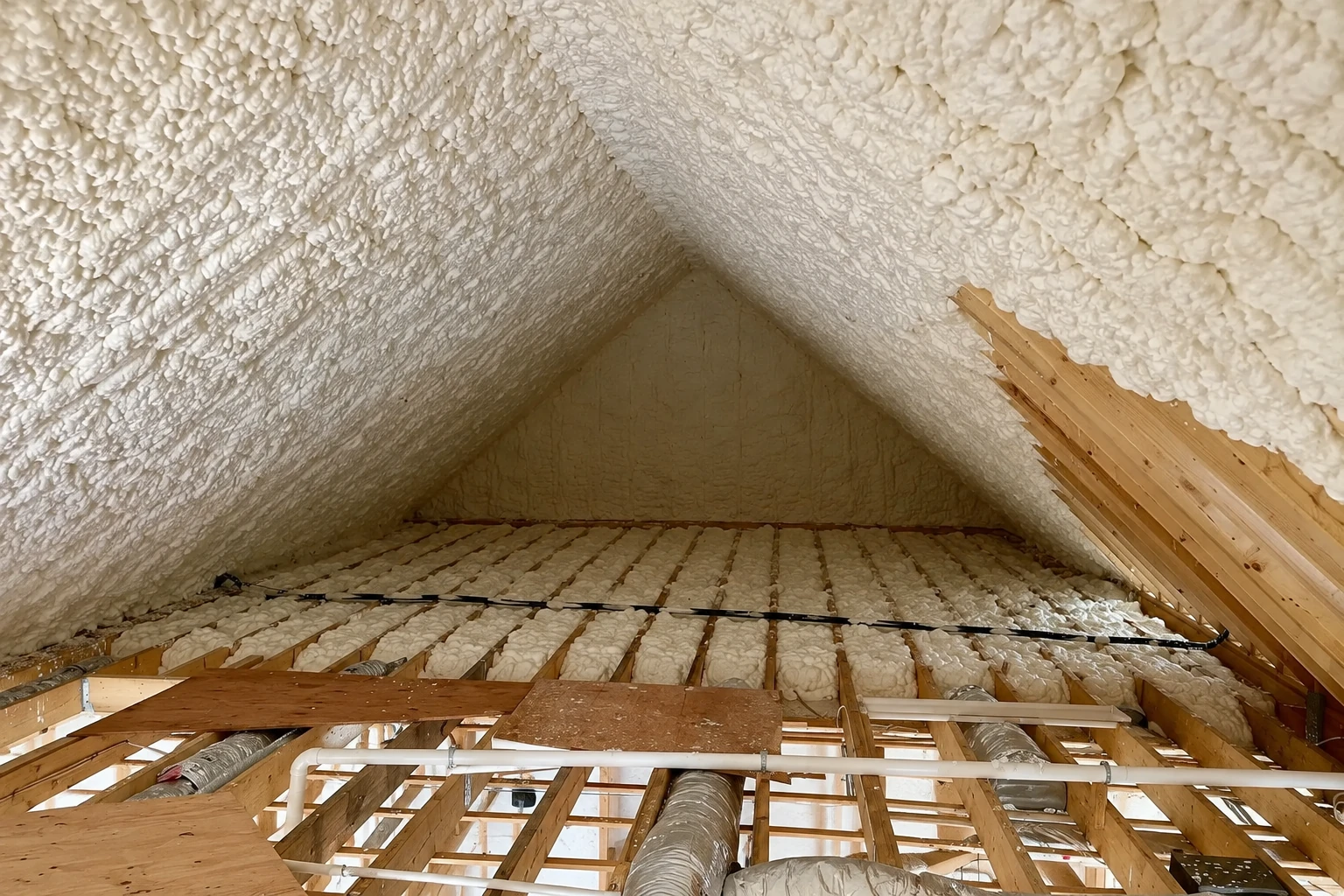
We set up dust protection in the rooms we work from, because a lived-in house has floors and furniture to keep clean. In the attic we keep the eave vents clear, since a buried vent stops the attic from breathing and moisture ends up in the framing. We bring the edges up to full depth, not just the middle. Where foam fits the house better, we use spray foam insulation.

Seal and top up loose fill

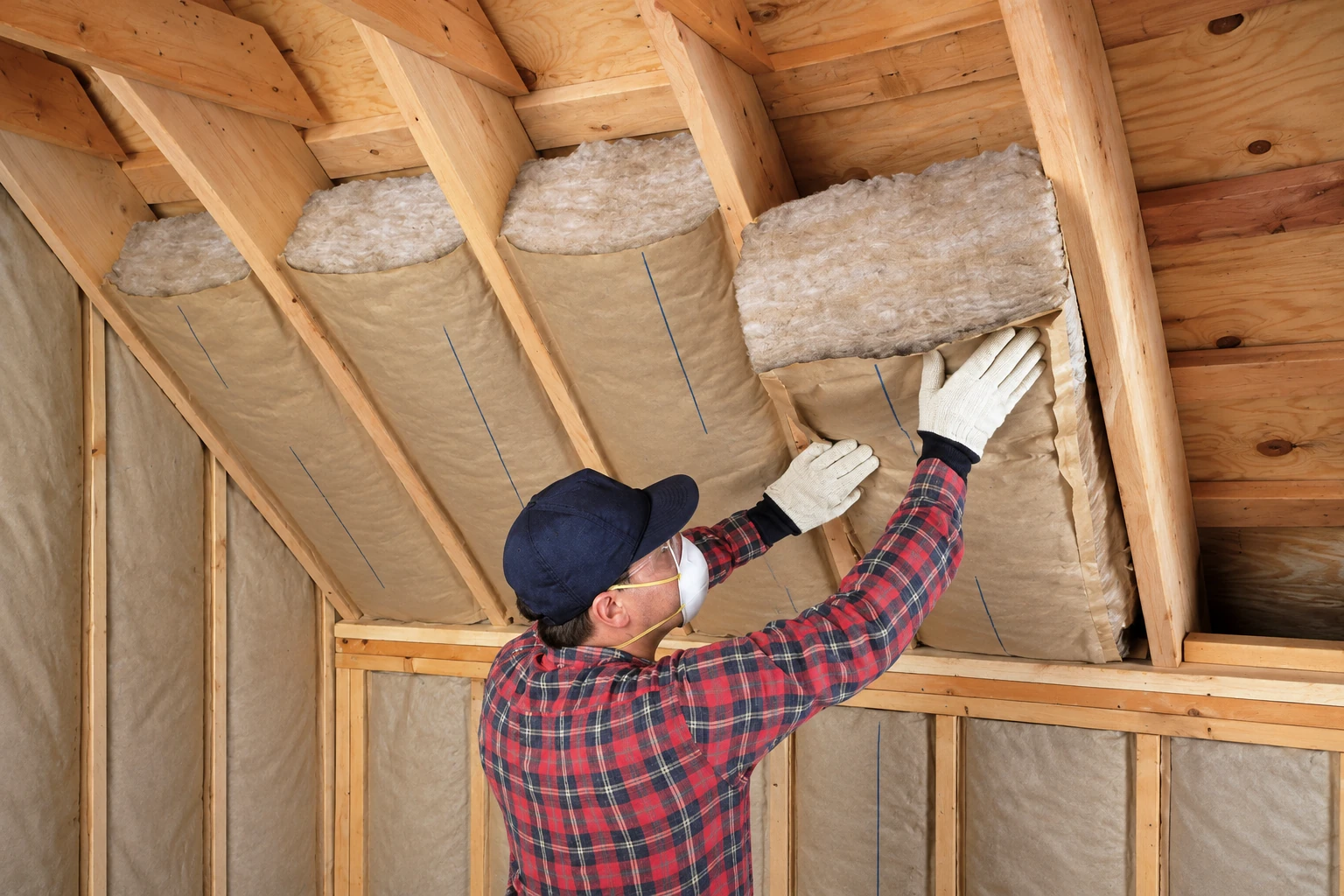
For most attics, sealing the gaps and topping up with blown-in insulation, loose fill blown through a hose, does the job for less money. It builds on what's already there and keeps the eave vents clear.

Foam when ducts live up there

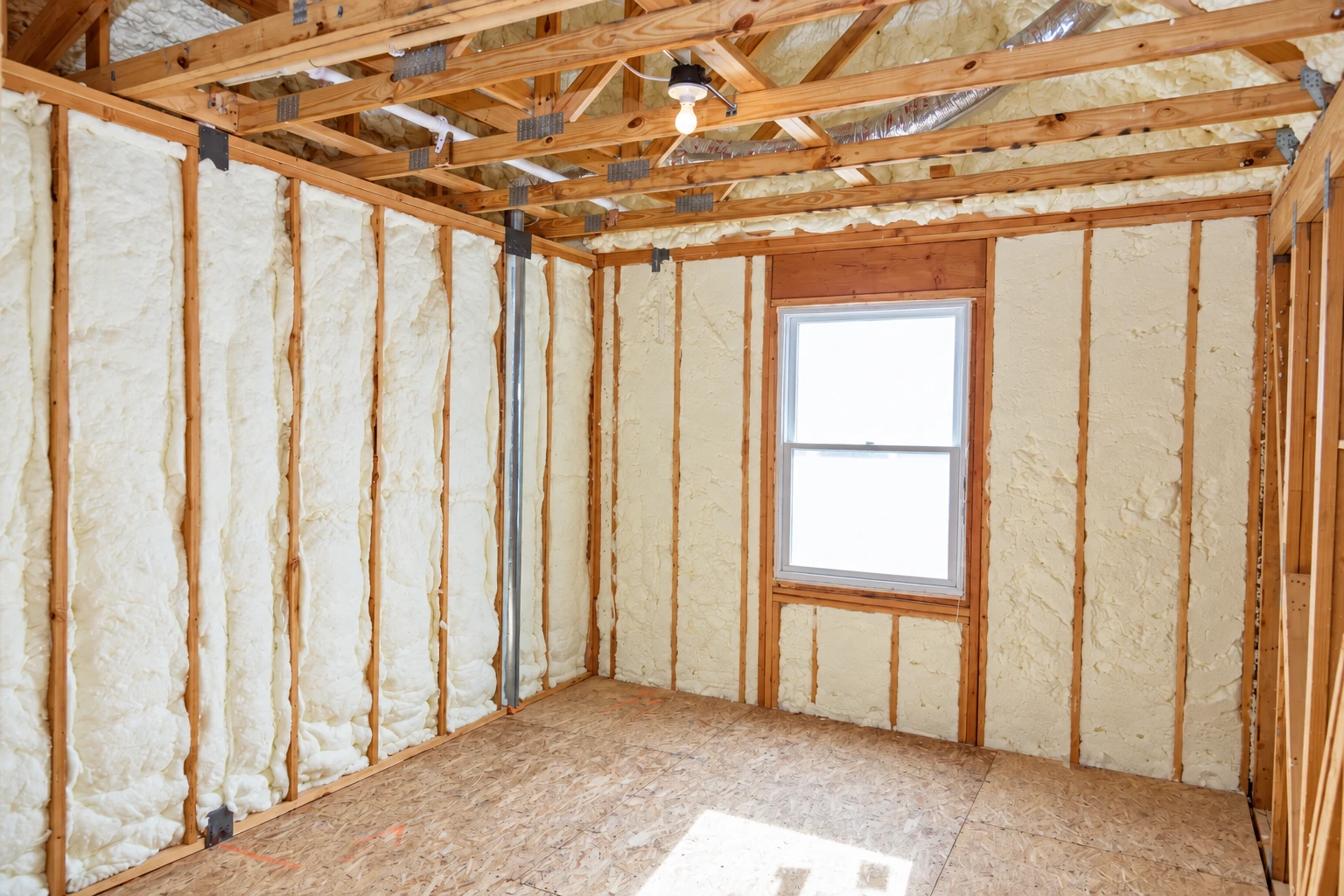
Foam costs more, but it seals air while it insulates. When your ductwork runs through the attic, I usually lean toward foam, because leaky ducts up there lose heat that loose fill on the floor won't stop.

Get a written retrofit insulation estimate for your house

We reply to every call and message within one business day. I come out to look at your attic and walls in person, and the estimate is free with no obligation. Mention your home's age and any vermiculite you've seen so I know what to look for.

(628) 234-2144

hello@sanrafaelinsulation.com

Retrofit insulation permits and older homes in San Rafael

San Rafael's Building Official issues permits for work that builds, alters or repairs a building, and the city lists the work that's exempt. That list doesn't settle whether a retrofit insulation job needs one, so don't assume it doesn't. You can check the city's list of permits and exemptions or take questions to the city's Building Division at 1400 Fifth Avenue before work starts.

When a job needs a permit, we pull it through the city or county office that covers your address and set up the inspection. If you're not sure whether yours needs one, I'll find out before we start, so the paperwork doesn't hold up the work or catch you later.

Around San Rafael, and in older homes in San Anselmo and Mill Valley, we see the same attics again and again. The insulation has settled thin, can lights poke up through it, and boxes cover half the floor. We work around what's stored up there, seal what we find and build the insulation back to an even depth.
Why San Rafael homeowners call us for retrofit insulation

I spent my first years in the trade insulating new houses, where the walls are open and nobody lives there yet. I started this business in 2023 to work on lived-in homes around San Rafael, where the attic has old insulation, a few surprises and somebody's boxes in it. New construction taught me how insulation should go in. Lived-in homes taught me what has to be fixed first.

I come out myself to look at the job and write the estimate, and I'm on site running our crew during the install. We're licensed and insured. The work is backed by our satisfaction guarantee. If your attic isn't ready, I'll say so rather than sell you a job that won't help. Call (628) 234-2144 or send us a message to set up a visit.

Attic insulation

If the attic is where your heat goes, this covers topping it up or replacing worn-out material from one end to the other.

Spray foam insulation

When ducts run through the attic or a space needs sealing and insulating in one pass, foam can be the better fit.

Cities where we do retrofit insulation

We're based in San Rafael and work in cities across Marin and nearby, from Petaluma down to Strawberry and over to Richmond and Berkeley. If your city isn't named on the site, call and ask.

Questions San Rafael homeowners ask about retrofit insulation

How much does retrofit insulation cost in San Rafael?

Attic insulation in the San Francisco area usually costs about $1,800 to $6,100 per job. That range is for attic jobs, so a retrofit that also fills the walls or removes old material can land somewhere else. The estimate I write after seeing your house gives your own number.

Does adding attic insulation in San Rafael have to meet state energy rules?

It can, because state guidance says the attic insulation and air sealing requirements for vented attics apply when the ceiling over heated or cooled rooms is altered, and adding or replacing attic insulation can count as altering it. That's one reason the sealing and the total depth both matter on a retrofit, not just the new inches.

Is it better to insulate existing walls from the inside or the outside?

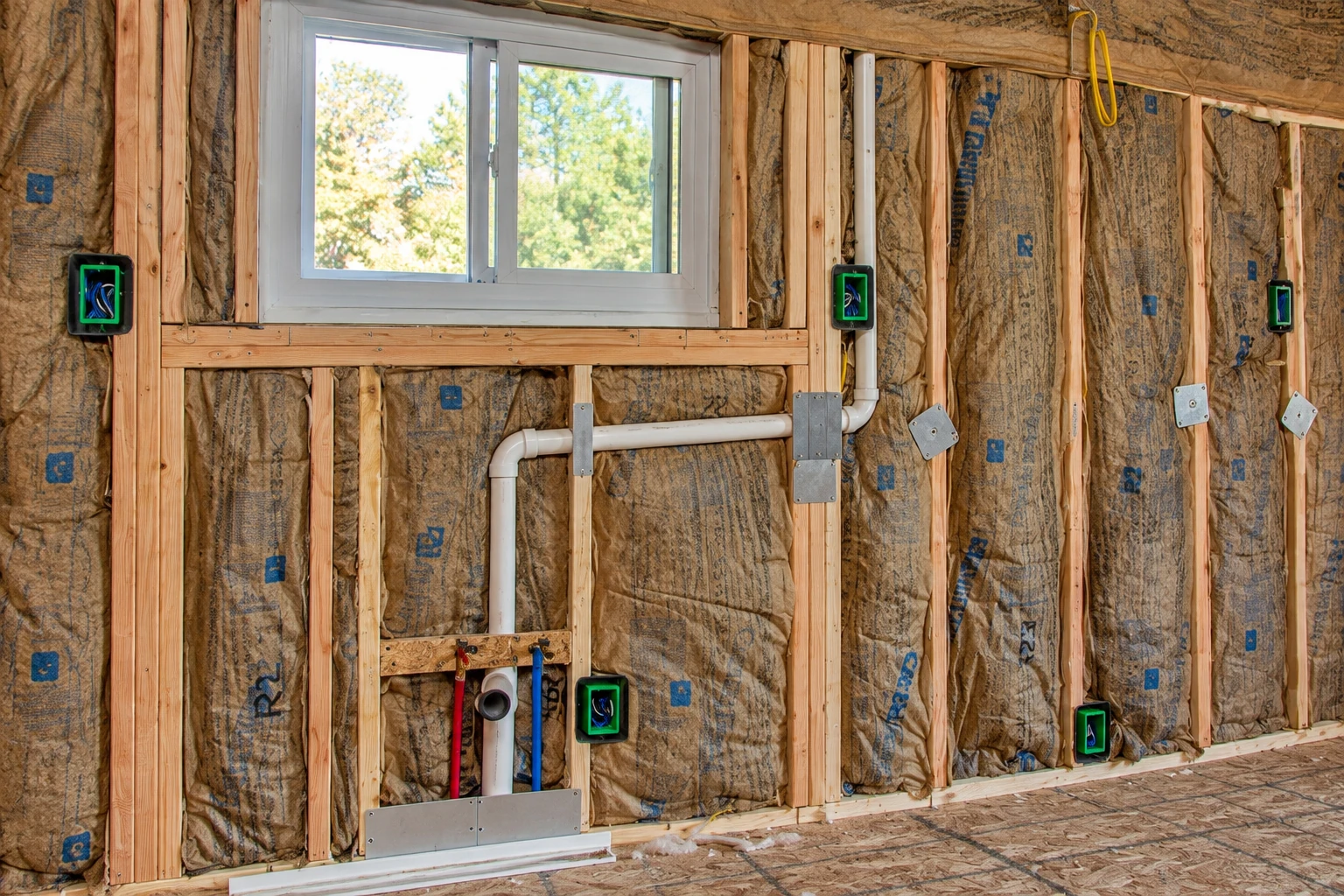
Blowing insulation in from inside leaves the wall's drainage plane alone, the layer behind the siding that handles water. Going in from outside breaks that layer, so it needs patching or full replacement. The choice comes down to access and the condition of that layer, and in homes built before 1980, lead safety rules may apply depending on how much surface the work disturbs.

Who is allowed to install insulation in California?

Insulation work in California falls under the state's C-2 Insulation and Acoustical Contractor license, which covers installing any insulation for temperature or sound control. The state's minor work exemption, now $1,000, lets an unlicensed person take a small job only when it needs no permit and they employ no one on it.

How long does retrofit insulation take, and do we have to leave the house?

With loose fill, you can usually stay home while we work, as long as the rooms we work from are cleared. Foam is different, and I'll tell you the re-entry time, when people and pets can come back in, before we start. How long we're there turns on how much sealing the attic needs and whether anything comes out first.

Find out what your attic needs first

If an estimate you already have never mentions sealing the gaps, call (628) 234-2144 or use the form and I'll look at the attic myself.

(628) 234-2144Request an estimate