Comfort San Rafael Insulation ServicesComfort San Rafael Insulation Services

Home insulation in San Rafael CA - a house that holds its heat, done in the right order

Drafty rooms, a hot upstairs or cold floors usually mean air leaks and thin insulation. We seal first, then insulate, so the house stays comfortable.

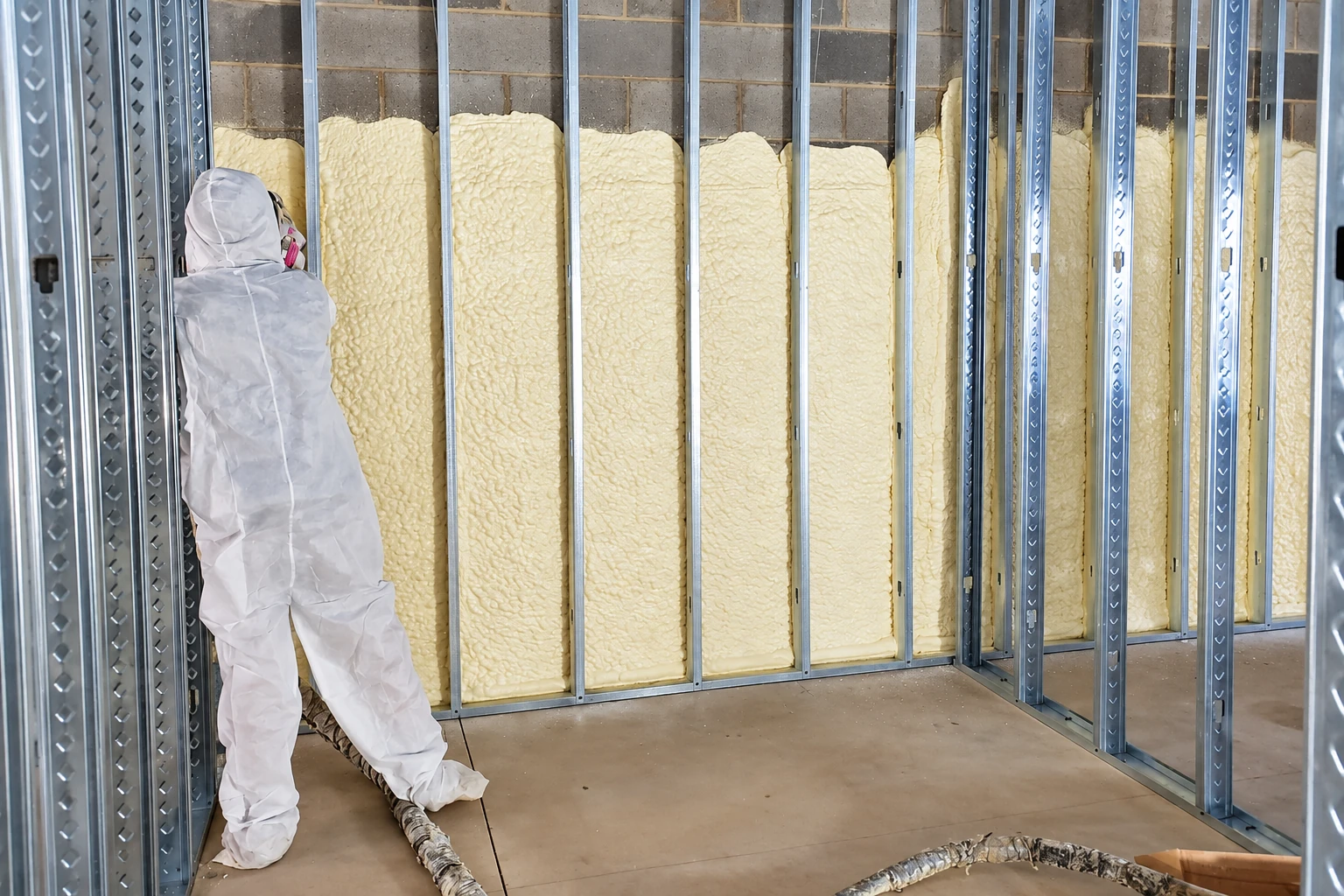
A worker in protective coveralls applies pale spray foam between metal wall studs.

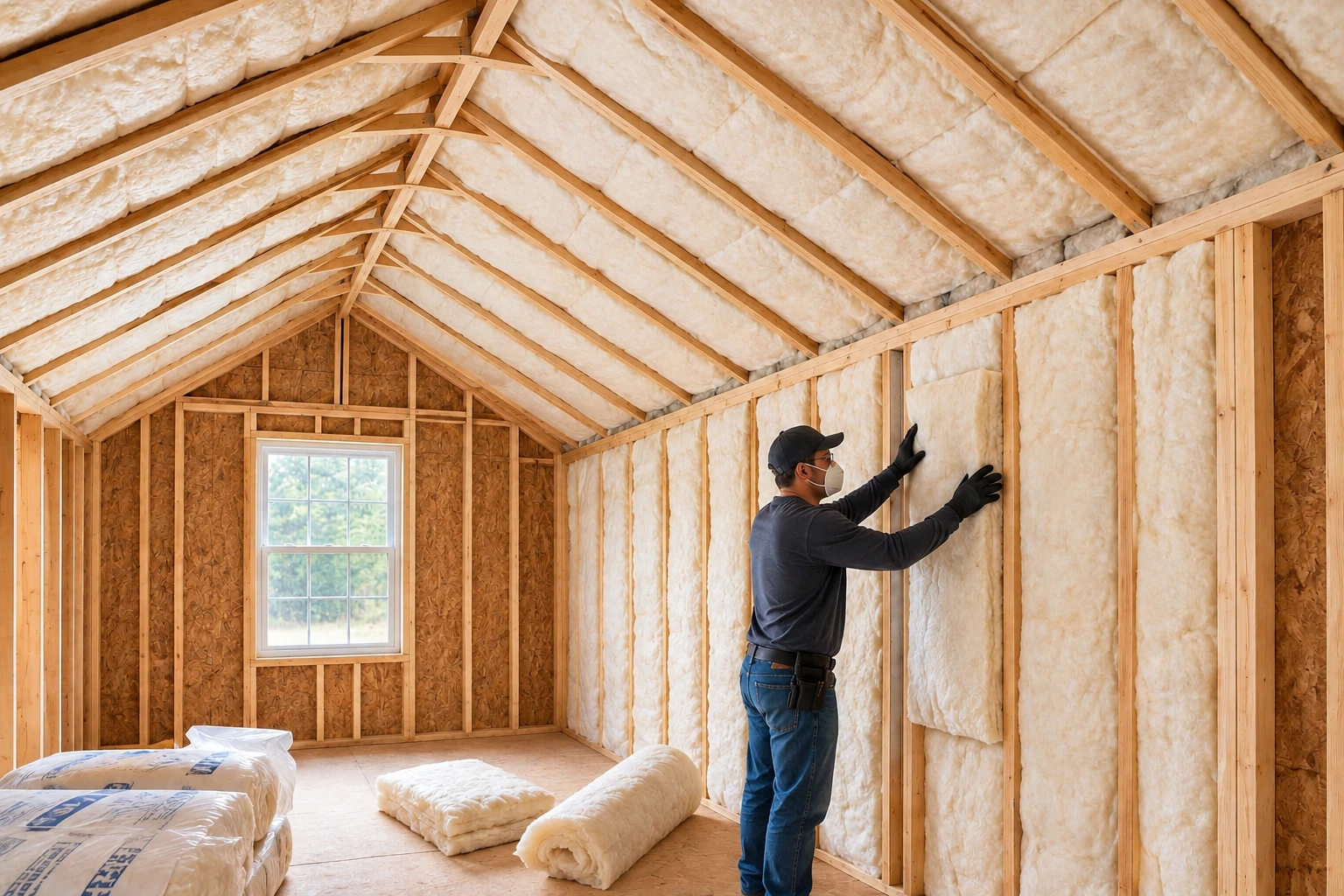
Home insulation in San Rafael means sealing the air leaks in your house and adding insulation where it's thin or missing. That's usually the attic first, then the floors over the crawl space, the basement rim joists that sit right on the foundation, and the walls. Done in that order, it evens out your rooms and can bring down what you spend on heating and cooling.

What does insulating a whole house in San Rafael involve?

Most calls start with a symptom. The room over the garage won't stay warm, upstairs bakes all summer, the floors are cold or the power bill keeps climbing. Those usually trace back to air slipping through the ceiling and floors, or to insulation that's thin, packed down or just old. I'd rather find the cause than sell you more of the same material.

The price moves with how much area we cover, whether old material has to come out first, how many gaps need sealing and which material fits each space. The schedule turns on the same things, plus how easy your attic and crawl space are to get into. Your written estimate breaks it out space by space, with your number and the order of work.

What we check before insulating your house

Most of what decides whether new insulation helps is already in your attic and under your floors. These are the things I look at before anything goes on paper.

What's already up there

We measure how many inches you already have and check what shape it's in. If it's been soaked by a roof leak or it's full of droppings, putting new material on top just buries the problem, so it comes out first. The age of the house tells us a lot too, since older homes hold the most surprises.

Old vermiculite in the attic

Vermiculite is loose, pebbly insulation, often grayish-brown or gold, found in some older attics. The EPA advises treating it as if it contains asbestos, which means leaving it undisturbed or having a trained professional take it out when it has to go. If you've seen anything like it, tell us when you call, and I won't plan work that disturbs it.

Can lights, flues and the hatch

Gaps around ceiling lights, pipes and the attic hatch let air through, and insulation can't stop a draft. Only IC-rated recessed lights, the airtight kind made to be covered, belong under insulation, and metal flashing keeps it a safe distance from flues, chimneys and exhaust fans. We check each light and each flue before anything gets blown in.

Walls are harder to reach

In a lived-in house the wall cavities are closed up, so they take more work than an open attic. Fiber insulation like fiberglass or cellulose is the least expensive way to fill them, but it can hold moisture, which cuts how well it works and can lead to mold or rot. I look for damp spots near those walls before we choose it.

What happens after you call about insulating your house?

Here's how a job goes, from your first message to the walkthrough at the end, and who handles each part along the way.

  1. 1

    Call or send a message

    Call (628) 234-2144 or use our contact form. Tell us which rooms bother you, which spaces you want insulated and any old insulation you've noticed, especially the loose, pebbly kind.

  2. 2

    I look and write it up

    I come out and go into the attic, crawl space or walls. I look for anything that has to be fixed first, like leaks, damp spots or bad old material, then write up the estimate with the order of work.

  3. 3

    We prep, seal and insulate

    If you go ahead, we handle any permit and set up the inspection. Our crew preps the space, seals the gaps and then installs the insulation, with me on site running the job.

  4. 4

    We walk you through it

    Before we leave, I show you what we did in each space, what's still on the plan for later and anything worth keeping an eye on down the road.

Request an estimate

How we plan home insulation from the top down

When you want the whole house done, we start where the most heat gets away and work out from there. In most older homes that's the attic, because warm air rises and slips out through every gap in the ceiling. You get one plan that says what to do first and what can wait, so you're not paying for walls before the attic is right.

If the old attic material is wet, dirty or not worth keeping, insulation removal comes before anything else. Cold floors usually point to a bare crawl space, so crawl space insulation is often the next step on the plan. Walls tend to come last because they cost the most to reach in a house you're living in.

We seal the gaps before we add anything. Then we put the insulation in at an even depth all the way out to the edges, where the ceiling meets the outside walls, instead of piling it up in the middle. We keep the eave vents clear so the attic can still breathe, because a buried vent traps moisture in the framing.

Seal and top up loose fill

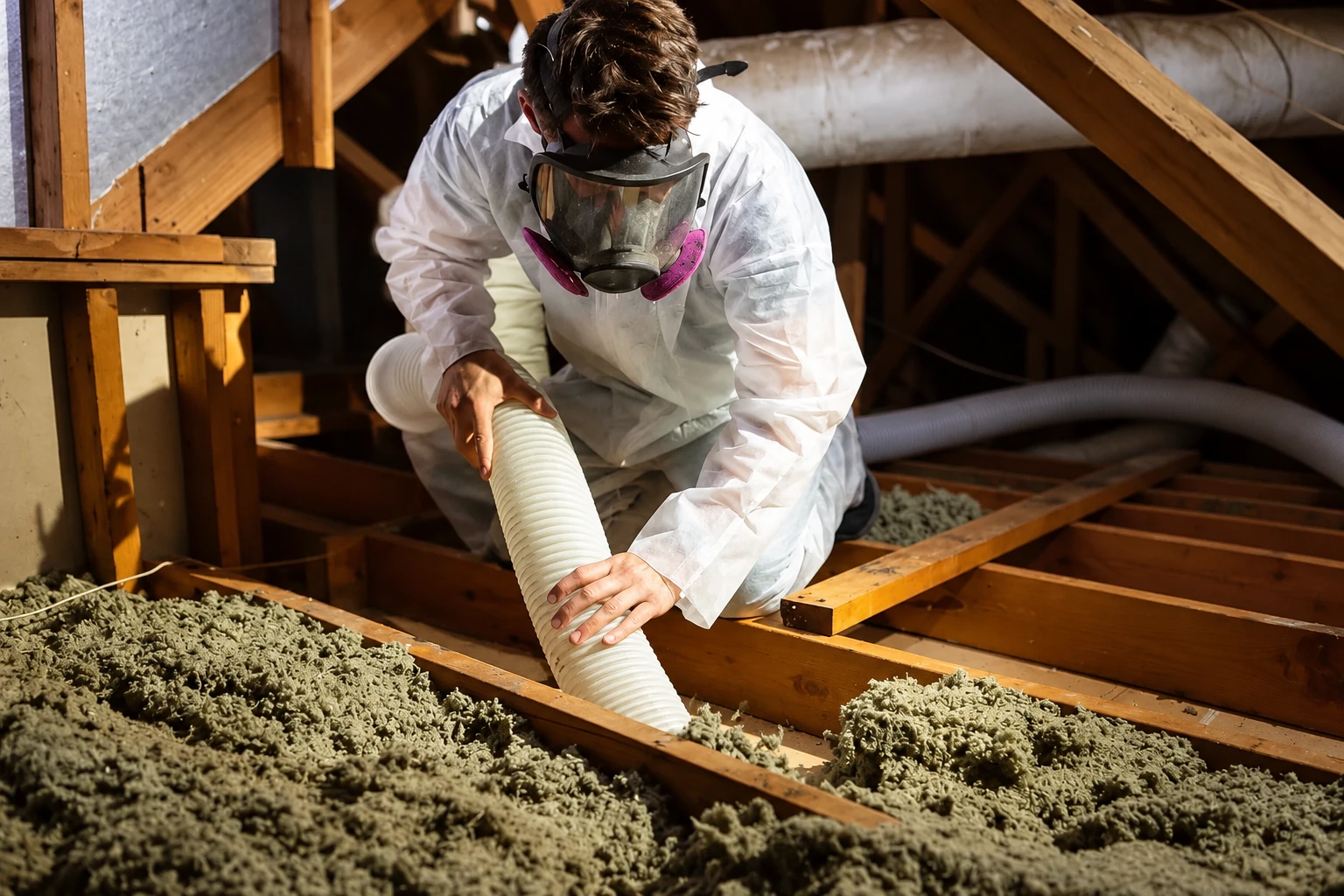
For most attics this is the better buy. We seal the gaps, then blow loose fill, insulation sent through a hose, over what's there. It costs less than foam and does the job well once the leaks are closed.

Spray foam where ducts run

Foam costs more, but it seals air while it insulates. I suggest it when your ductwork runs through the attic, because then keeping that space tight matters more and the extra cost is worth it.

Get one insulation plan for your whole San Rafael house

We reply within one business day. Then I come to your house for a free estimate, go into the attic, crawl space or walls and write up what I find and what it costs. There's no obligation to go ahead.

(628) 234-2144

hello@sanrafaelinsulation.com

Home insulation permits and houses in San Rafael

The City of San Rafael handles permits for construction and remodel projects, and you can check permit requirements, apply and book inspections on the city's building permits page. If you're not sure whether your insulation job needs one, I'll find out before we start. When it does, we pull the permit through the office that covers your address and set up the inspection.

Around here we work in a lot of older, lived-in houses, where the attic has insulation nobody can date, a few surprises and somebody's boxes stored up there. Cold rooms and high bills are the usual reasons people call. We're based in San Rafael and do the same work in San Anselmo, Mill Valley and other cities across Marin and nearby.

Why San Rafael homeowners call Comfort San Rafael Insulation Services

I spent my first years insulating new houses, where the walls are open and nobody lives there yet. That's where I learned how insulation is supposed to go in. I started this business in 2023 to work on lived-in homes around San Rafael, and they taught me the other half. Leaks and problems get fixed first, or the new insulation doesn't do much.

I come out myself to look at your house and write the estimate. Our crew does the install, and I'm on site running it. If your attic isn't ready for new insulation, I'll tell you that rather than sell you a job that won't help.

We're licensed and insured. Our work is backed by our satisfaction guarantee. To get started, call (628) 234-2144 or send us a message and tell us which rooms feel off.

Insulation removal

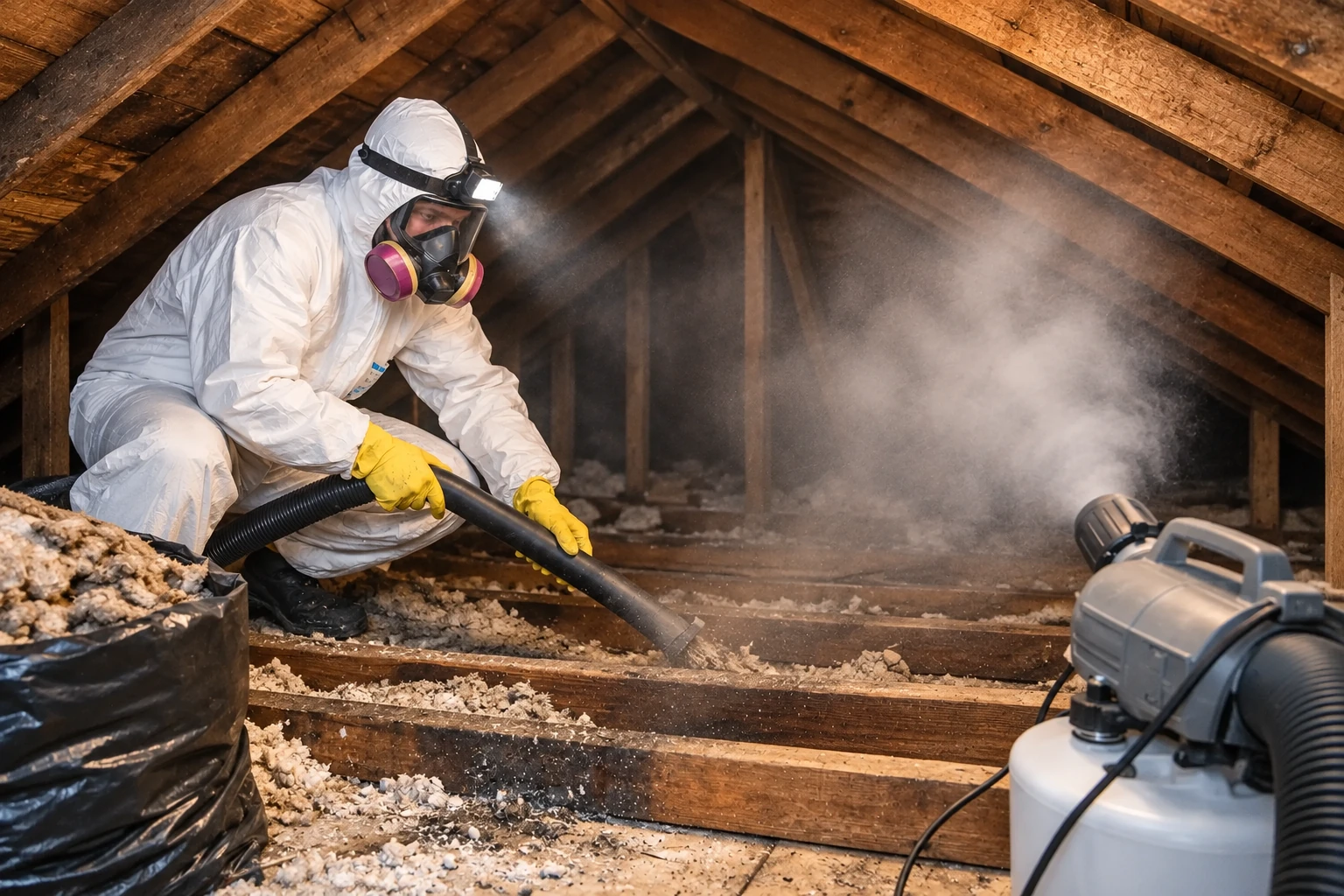
When the old insulation is wet, matted or full of droppings, taking it out gives the new layer a clean start.

Crawl space insulation

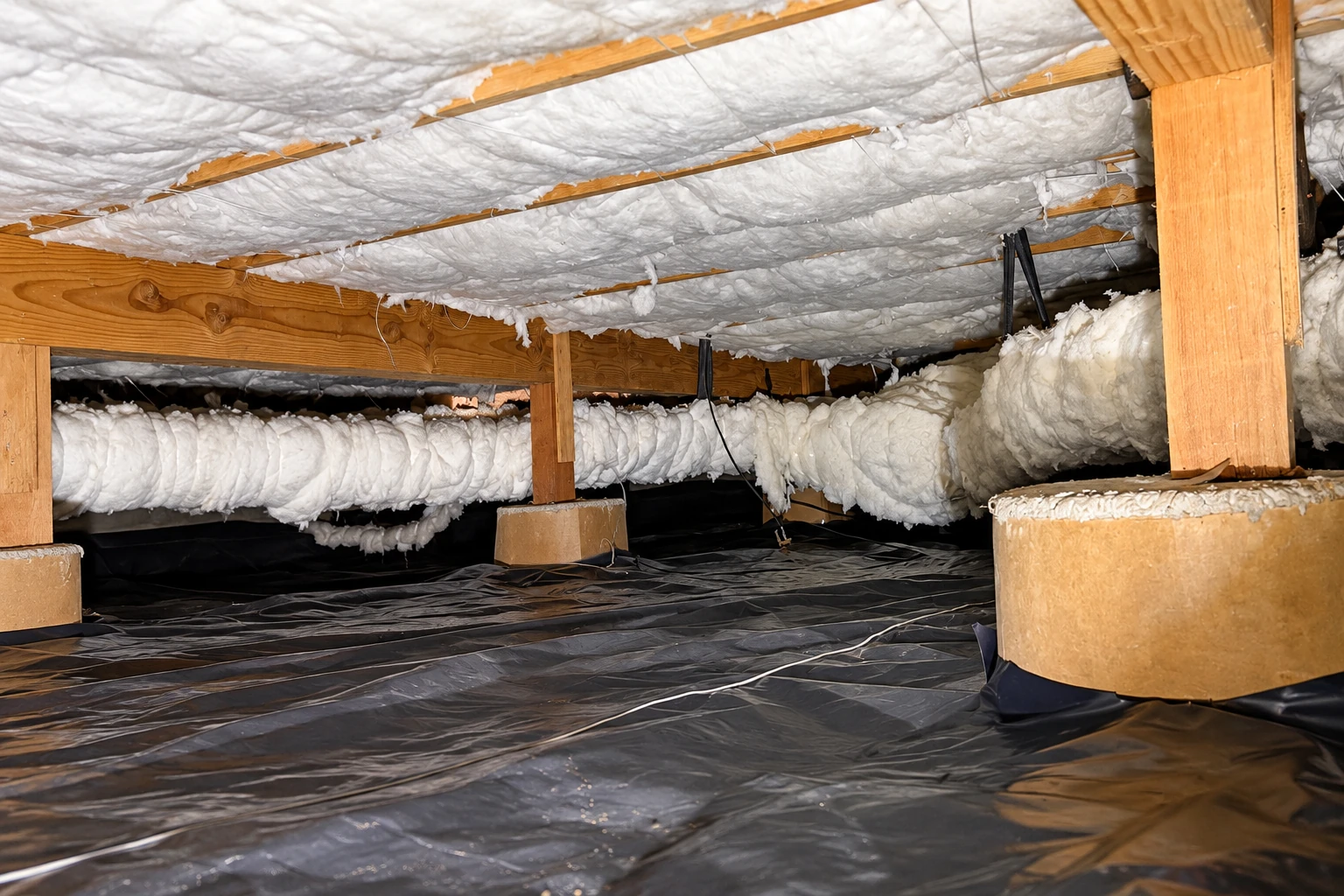
Floors that stay cold all winter usually need work under the house, not more insulation in the attic.

Cities we cover for home insulation

Pick your city to see its page. These are the cities we list on the site, not the only ones we work in, so if yours isn't here, call and ask.

Questions about insulating a house in San Rafael

Should air leaks be sealed before insulating my house?

Yes. Federal guidance says to find and seal air leaks before any insulation goes in, because insulation slows heat but won't stop air pushing through a gap. When you compare contractors, it's fair to ask if they're trained in whole-house building science, which treats the house as one system and puts sealing first. We seal before we insulate.

Is blown-in or batt insulation better for an attic?

Blown-in is usually the better choice for an attic. Loose fill in fiberglass, rock wool or cellulose generally costs less than batts and covers better, because it fills in around framing and wiring instead of leaving seams. Installation costs still vary from house to house, so compare quotes for the same material.

How much does attic insulation cost around San Francisco?

Attic insulation in the San Francisco area usually costs about $1,800 to $6,100 per job. That's the going rate for an attic alone, not a whole house, and where you land depends on the attic's size, whether old material has to come out and how much sealing it needs. Your written estimate gives the figure for your house.

How much can an insulation contractor ask for up front in California?

No more than $1,000 or 10 percent of the contract price, whichever is less. That's the rule from the Contractors State License Board, which licenses contractors in California. Any other payments have to be listed in the contract and tied to work done or materials delivered to your house, on every home improvement job.

Do we have to leave the house while you insulate?

Usually not for sealing and blown-in work, though the hatch and the path to it will be busy. Spray foam is different. You'll be out of the house until the re-entry time, when it's safe to come back, and I'll give you that time before we book the day so you can plan for kids and pets.

How do I get my house ready for insulation work?

Clear the boxes out of the attic and anything stored under the hatch, and make room by the crawl space opening if we're working under the house. Let us know about pets, and point out anything odd you've seen up there, like droppings or old pebbly insulation. We clean up before we leave.

Call about the rooms that never feel right

Tell us at (628) 234-2144 which rooms run hot or cold and what you've seen in the attic, and I'll know where to look first when I come out.

(628) 234-2144Request an estimate