
Spray foam insulation
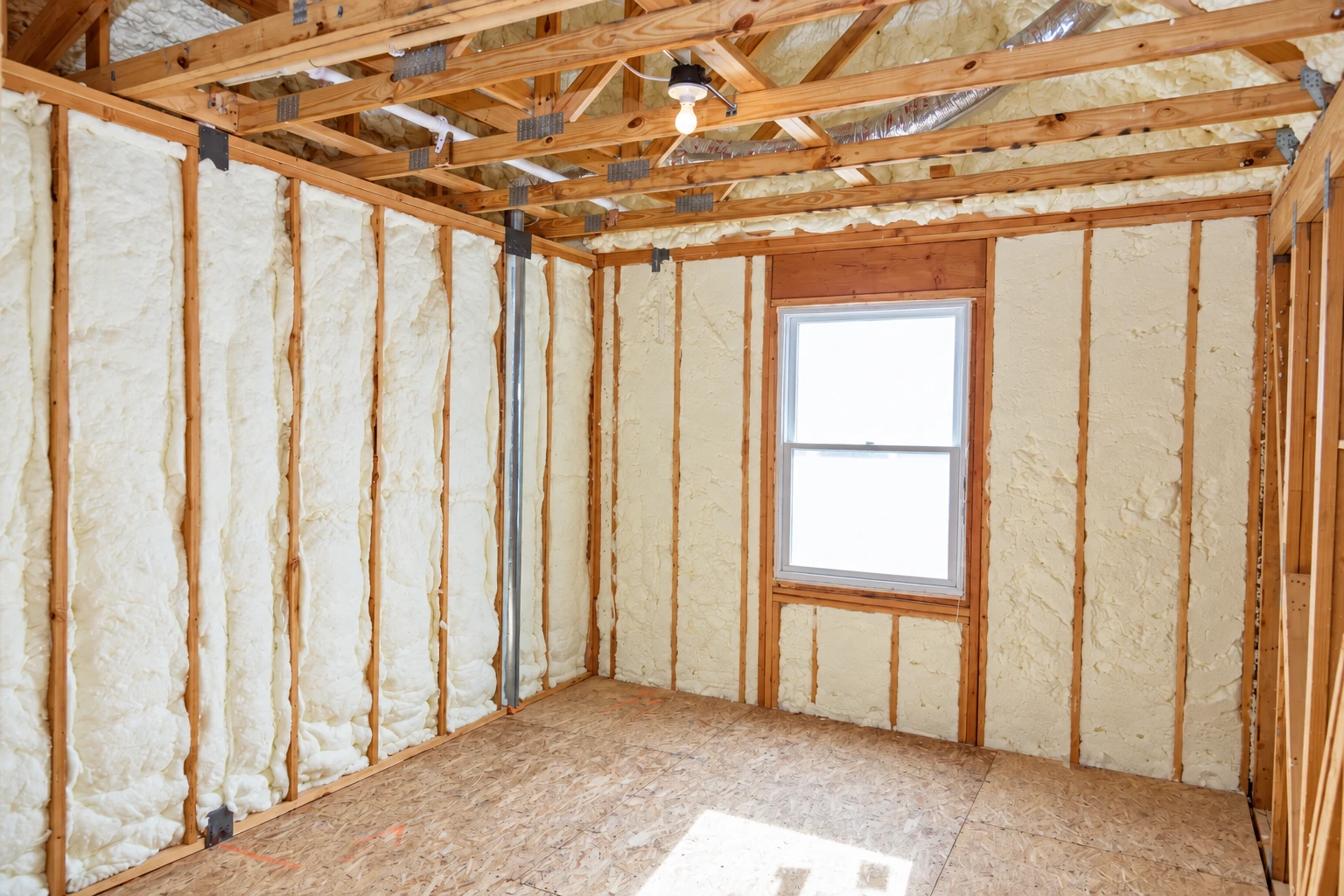
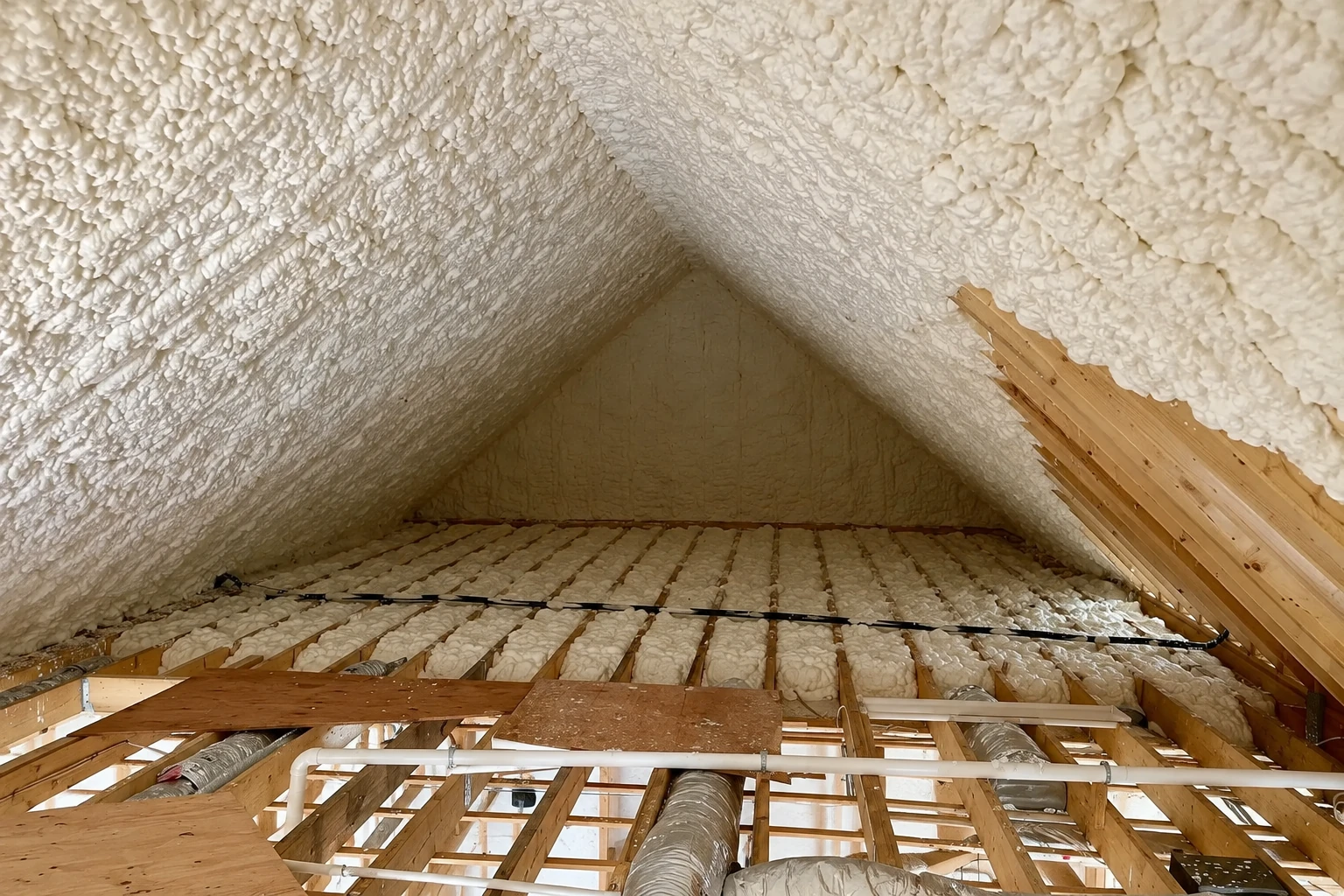
Spray foam insulates and seals air in one pass, so it fits rooflines, rim joists and tight spots where loose fill won't stay put. It costs more, so we suggest it only where it earns that.
Comfort San Rafael Insulation Services insulates attics, walls and crawl spaces in San Rafael homes. We seal the leaks and fix what's wrong up there first, then add insulation, so your cold rooms and power bill actually change.
Comfort San Rafael Insulation Services is an insulation contractor in San Rafael, CA. We do attic, wall and crawl space work in homes people already live in. Most calls here come from owners of older houses with cold rooms, high power bills or old insulation they don't trust, and we start by finding out why.
A San Rafael attic is rarely empty. There's usually a few inches of old insulation, wiring and pipes running through it, and somebody's boxes near the hatch. I spent my first years insulating new houses with open walls, and that taught me how the job should go in. Lived-in homes taught me the rest, which is that leaks and old problems come first.
So we check what's up there before we add anything. If the old material is soaked or full of droppings, it comes out, because new insulation on top just hides the problem. Then we do air sealing, which means closing the gaps around lights, pipes and the hatch, and only then add fresh fill. Homeowners in San Anselmo and Novato get the same order of work.
Spray foam insulates and seals air in one pass, so it fits rooflines, rim joists and tight spots where loose fill won't stay put. It costs more, so we suggest it only where it earns that.
When it's hot upstairs or the power bill keeps climbing, the attic is usually the first place we look. We seal it, deal with what's already there and bring the depth up evenly out to the edges.
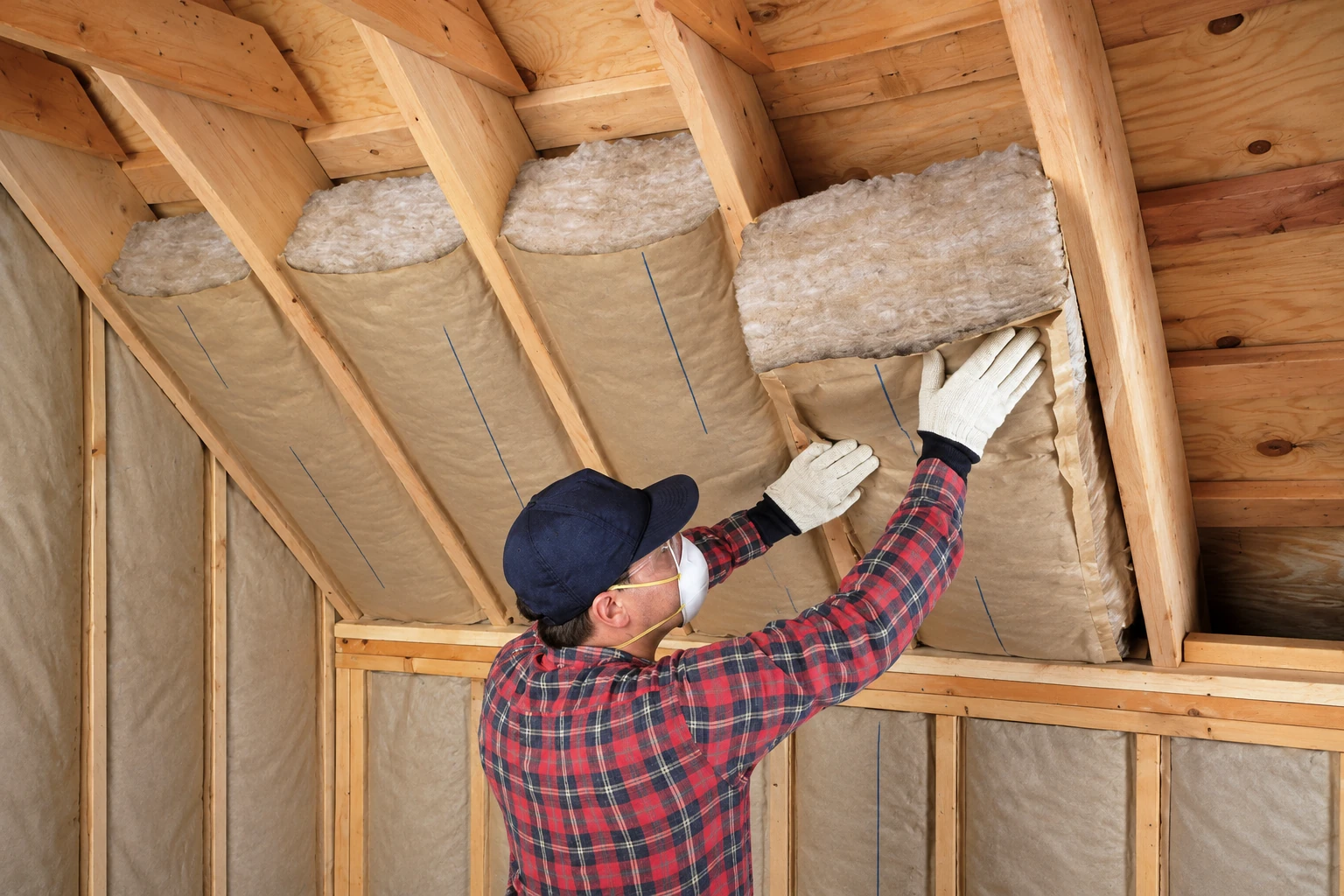
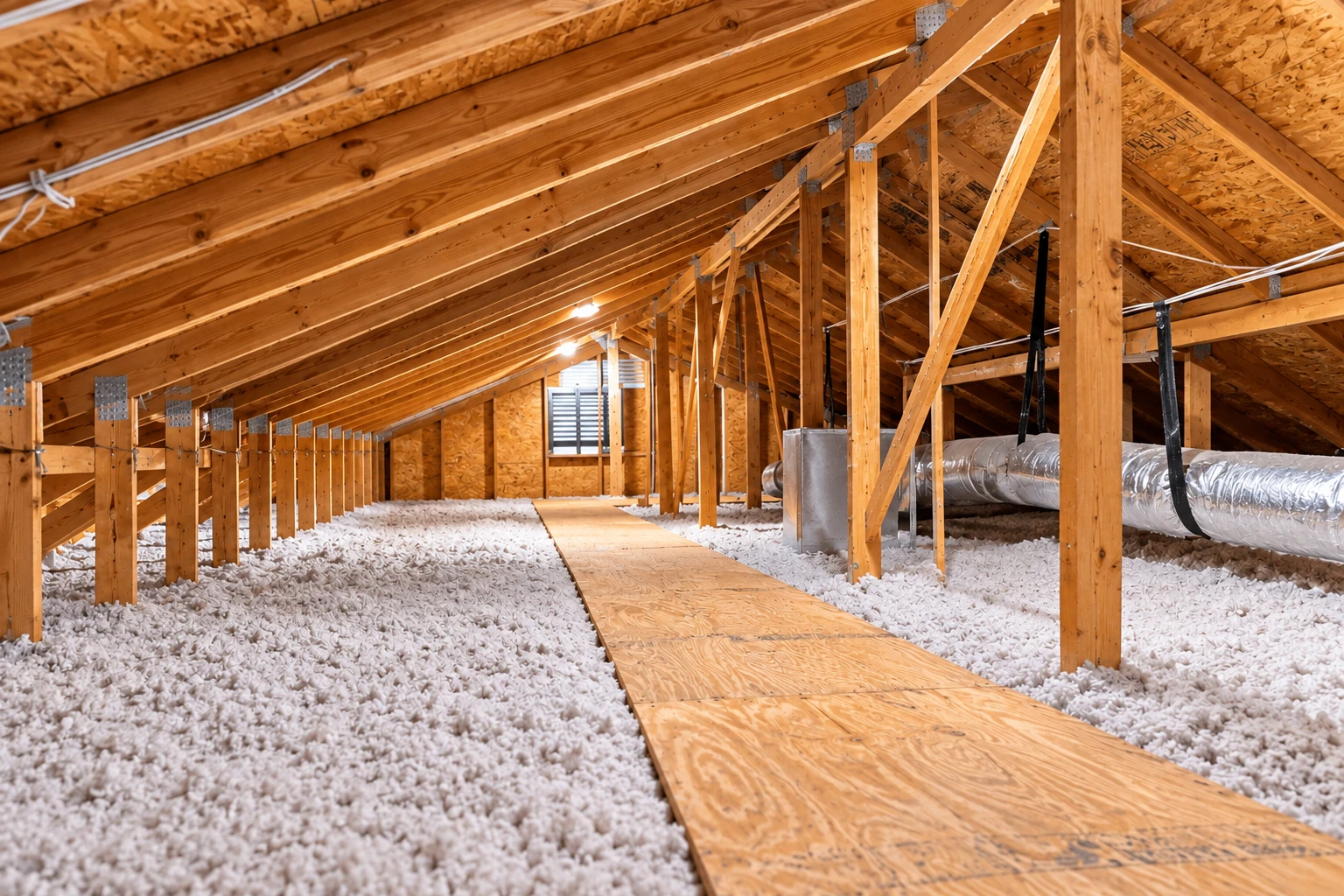
Blown-in insulation is loose fill blown through a hose, and it's how we top up most older attics. It settles around joists and wiring and reaches the edges, where coverage usually runs thin.
When the whole house feels drafty, we look at the attic, walls and floors together and tell you which one is worth fixing first, rather than selling you all three at once.
Insulation that's soaked, flattened or full of droppings has to come out before anything new goes in. We bag it, get it out of the attic and clean up before the next step starts.
Cold floors over a crawl space usually mean there's little or nothing under the floor. We insulate between the floor joists so the rooms above stop feeling cold underfoot.
Walls in older houses often have nothing inside them. We can fill closed walls through small openings, so you get warmer rooms without tearing out plaster or drywall.
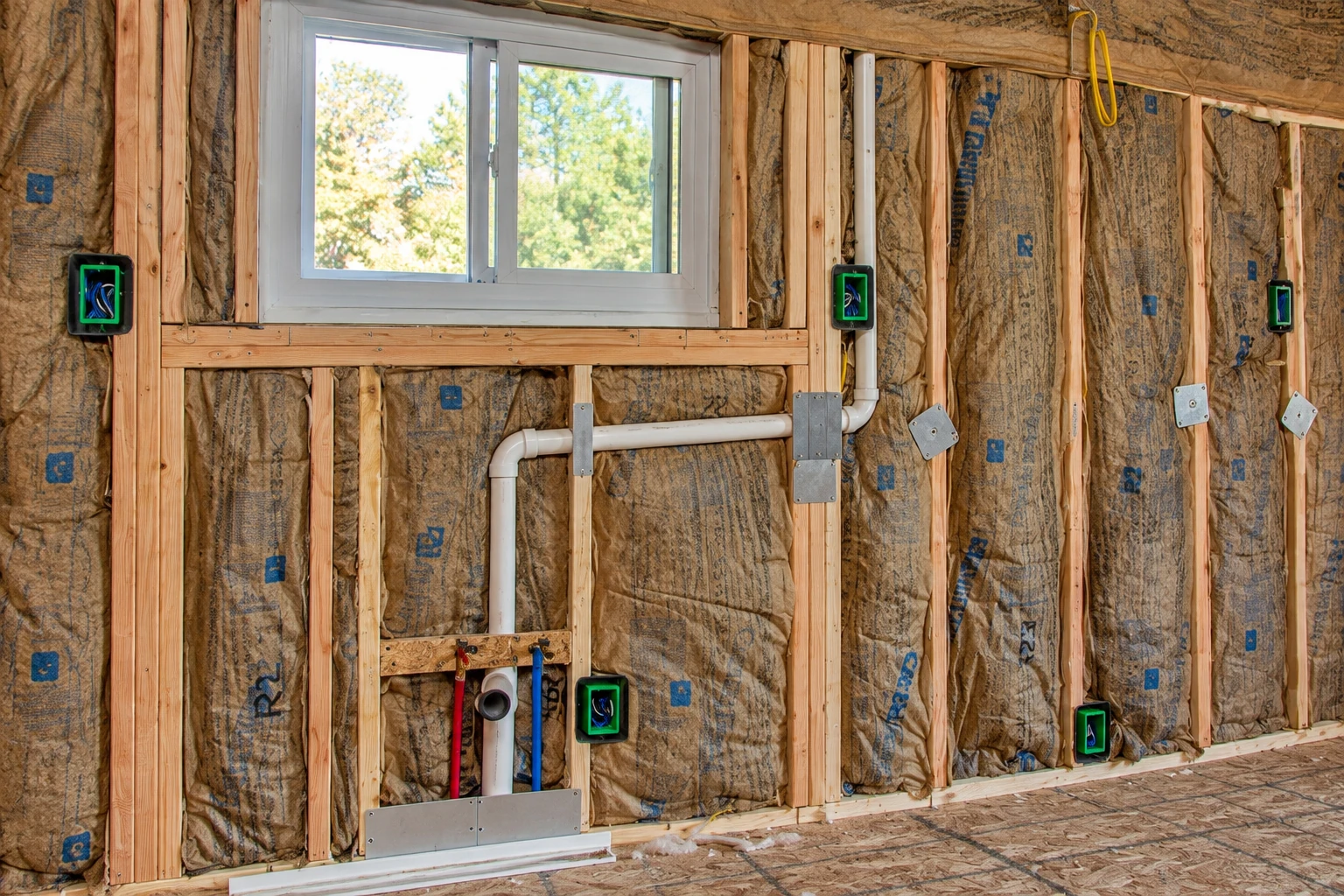
Drafts slip through holes around pipes, wiring and light fixtures all over the house. We close those gaps before insulating, because insulation laid over an open gap just has air blowing through it.
A basement room that stays cold and clammy needs insulation chosen for damp conditions. We look at where moisture is getting in before deciding what goes on the walls.
Closed-cell foam is dense foam that also blocks moisture. It's what we reach for in damp spots or tight framing where you need the most insulation in the least space.
Open-cell foam is softer and lighter, and it fills odd cavities and seals air well. It often fits rooflines and interior spaces where moisture isn't the main worry.
Offices and shops in San Rafael have attics and walls too. We look at the space first and plan the work around your hours so the business keeps running while we're there.
A crawl space with bare dirt sends damp up toward the floor. We lay a vapor barrier, a sheet that keeps ground moisture down, so the insulation above it stays dry.
Some walls, floors and crawl spaces need a layer that holds moisture back. We put it on the right side of the insulation so water doesn't get trapped in the framing.
Before we add anything to your attic, we seal the hatch, the can lights and the holes where pipes and wiring come up. It's the step that makes new insulation actually work.
Retrofit work means adding insulation to a house that's already built and lived in. It's most of what we do, working around your furniture, your boxes and the wiring already in place.
We reply to every call and message within one business day. I come out to your San Rafael home myself, look at the attic or crawl space, and only then write up a free estimate. There's no obligation to go ahead.
(628) 234-2144The city's Building Division issues building permits in San Rafael for work that alters or repairs a building. Its list of minor permits names things like reroofs and furnaces, not insulation, so whether your job needs one is a question for that office. When a permit is needed, it adds an application and an inspection to the schedule, and we plan the start date around both.
Anyone doing business inside San Rafael city limits needs a city business license, even if their office is somewhere else. Ask any contractor you're considering whether they have one. The city is clear that the license is a tax, not proof that someone knows the work, so pay attention to how they explain your job, too.
When your job needs a permit, we pull it and set up the inspection, and if it's unclear whether yours does, I'll find out before we start. The price moves with the size of the attic, what has to come out and how much sealing it needs, and the schedule turns mostly on removal and any permit. We do the same work in Richmond and Berkeley, through whichever office covers that address.
I come out to look at every job myself and write the estimate, and I'm on site running the crew when we do the install. You talk to the same person from the first visit to cleanup, which matters when there's a surprise in the attic and somebody has to decide what to do about it.
We started in 2023, after my years on new construction taught me how insulation is supposed to go in. That's also why I'll tell you when your attic isn't ready, or when a fix isn't worth paying for, instead of selling you a job that won't help. We're licensed and insured, and our work is backed by our satisfaction guarantee. Call (628) 234-2144 or send the form and tell me what you're noticing.
Most of the houses we work on in San Rafael have been lived in for years, and their attics show it. These are the problems we check for before any new insulation goes in.
Older homes often have a few inches of insulation that's flattened, stained from an old roof leak or full of rodent droppings. Putting fresh material on top keeps the problem in the house, just buried. We look at it closely, pull it out where it's bad and keep only what's dry and clean. Then I can tell you honestly how much needs adding.
Can lights, plumbing vents, wiring holes and the attic hatch let warm air slip straight into the attic. If those stay open, the new insulation has a draft running through it and the rooms below stay drafty. We seal those gaps first. It's the least exciting part of the job and usually the part that makes the biggest difference.
The vents along the eaves let the attic breathe. When insulation gets blown over them, damp air gets trapped and moisture starts showing up on the framing. We keep those vents clear with baffles, simple channels that hold the insulation back, so air keeps moving while the edges of the attic still get covered.
A lot of attics we open have plenty of insulation in the middle, where it's easy to reach, and very little near the edges, where the roof comes down low. That's backward, because the edges sit right over the outside walls. We check how many inches are already up there in several spots and bring the low places up so coverage is even.
New building permit applications in San Rafael go through the city's OpenGov permit system, and inspections are booked there too, even for permits started in the older eTRAKiT system. When your insulation job needs a permit, we file it and set up the inspection, so you don't have to learn the portal.
A San Rafael building permit issued after January 1, 2023 is valid for two years, and minor permits, like those for water heaters and furnaces, for 180 days. If the work isn't signed off by then, the city charges a renewal fee. We book the final inspection soon after we finish so the permit doesn't sit open.
Your price comes from your attic, and I give you a figure after I've looked at it in person. Removing old insulation, a lot of sealing work, a tight attic that's hard to reach and choosing foam all raise it. A clean, open attic that only needs its gaps sealed and a top-up of loose fill usually costs the least.
Most of the time goes into prep, not the new insulation. Clearing out old material, sealing the gaps and protecting the eave vents take longer than blowing in fresh fill, and removal or foam adds to it. I'll tell you how long we'll be at your house when I write the estimate.
For blown-in insulation and air sealing, you usually don't, though the crew will be going in and out near the hatch. Spray foam is different. Everyone, kids and pets included, stays out until the re-entry time, the point when it's safe to come back in, and we give you that time before the job is booked.
Clear a path to the attic hatch and move anything stored right around it, because the crew needs room to get in and work. Boxes stored up in the attic itself usually need to come down too. If that's a lot to move, tell me at the estimate and we'll plan for it.
Usually not, if the goal is warmer rooms and a lower bill. Foam costs more and seals air while it insulates, but sealing the gaps and topping up loose fill usually does the job in an older attic for less. The exception is an attic with ductwork running through it, where foam often makes sense.
We take calls seven days a week, 8 AM to 9 PM, so call (628) 234-2144 or send the form and tell me which rooms run hot or cold, and I'll know where to look first.