
Spray foam insulation
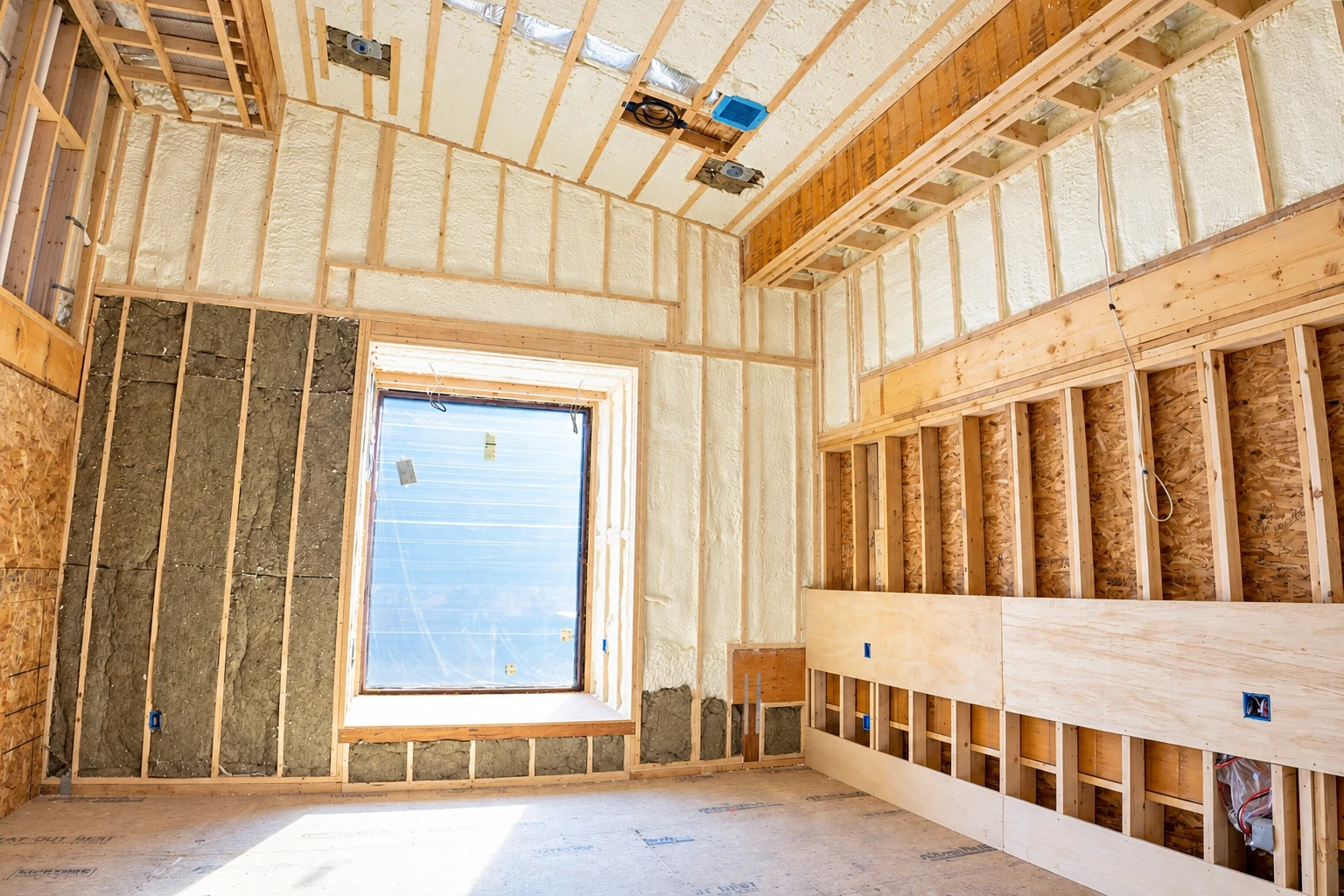
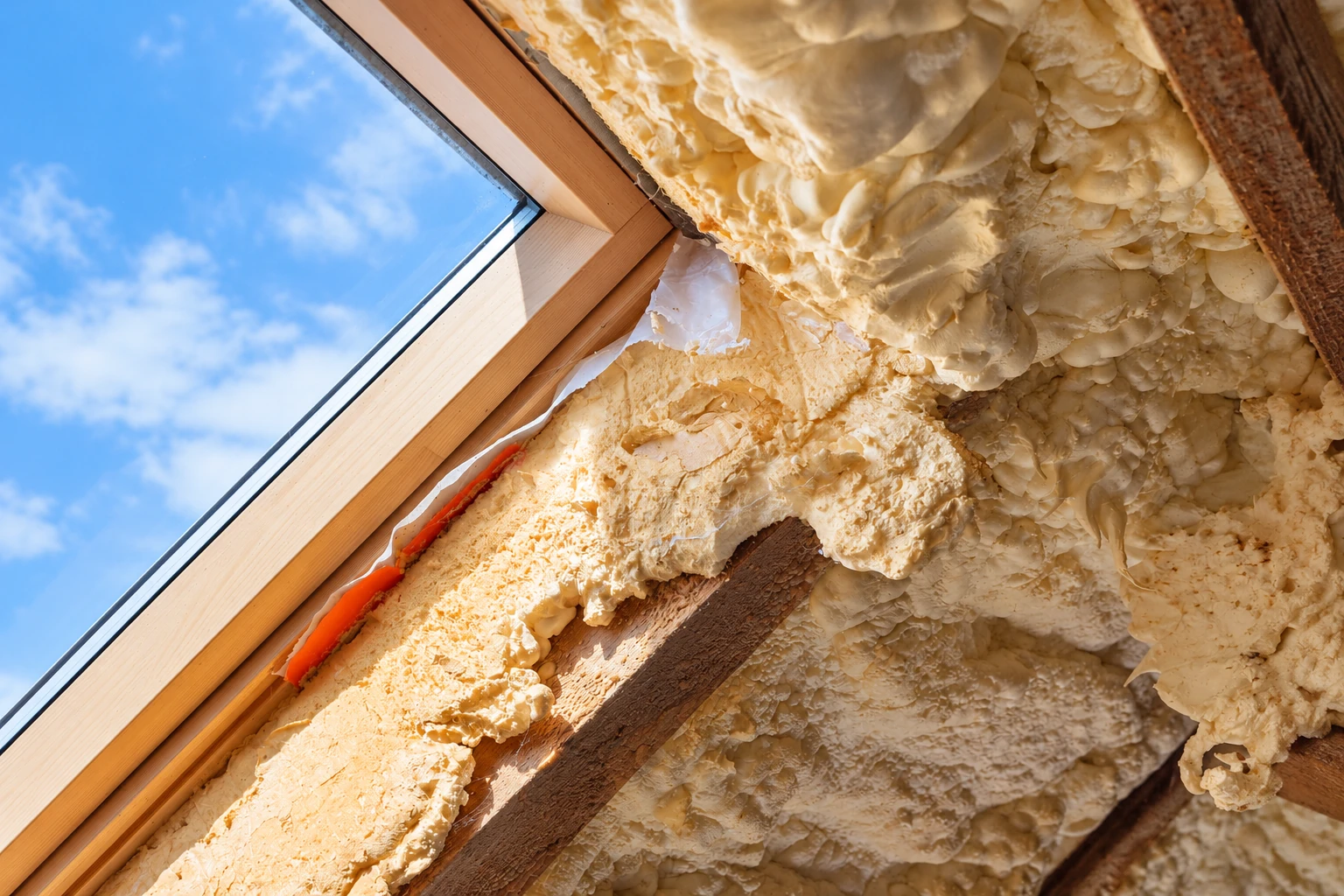
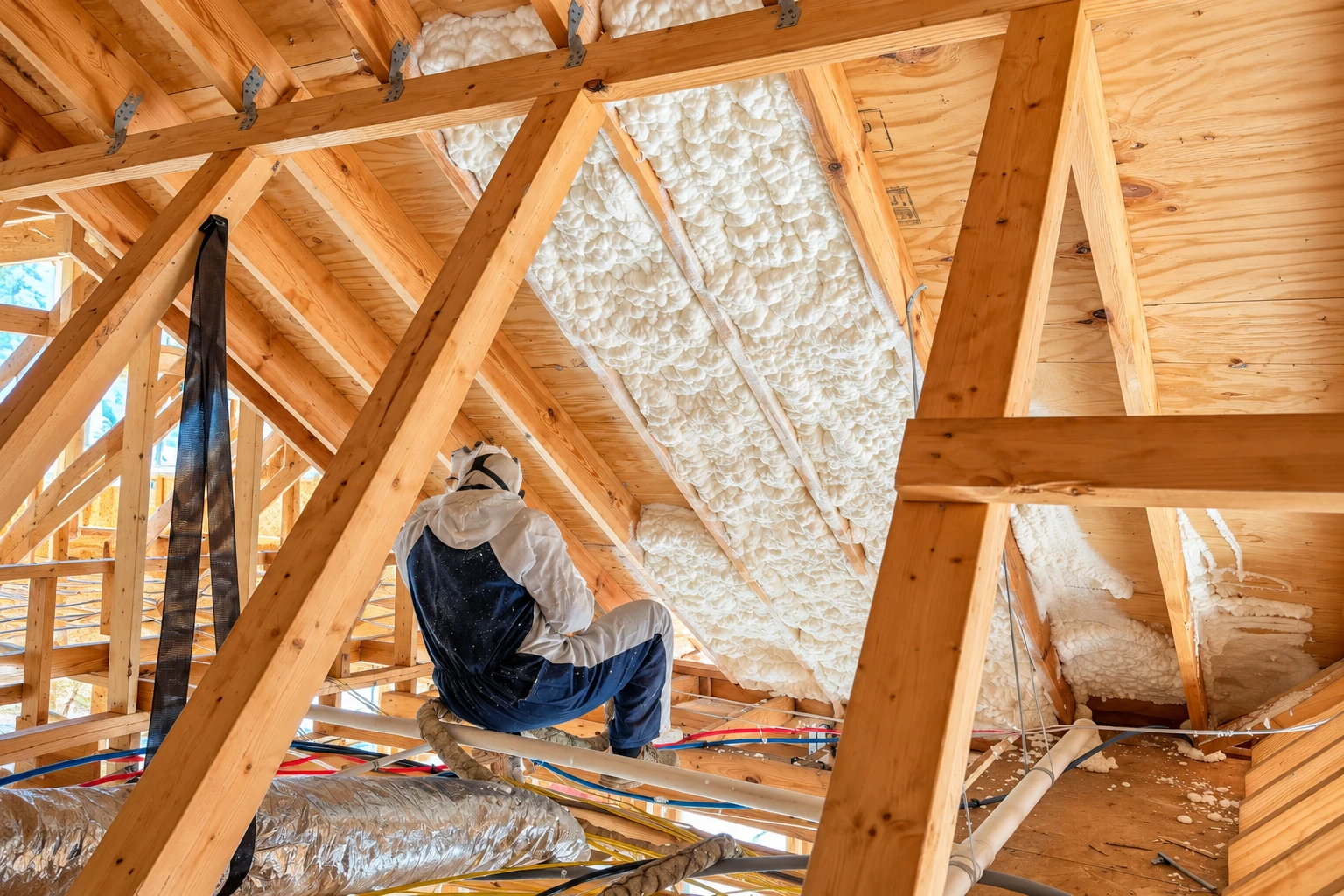
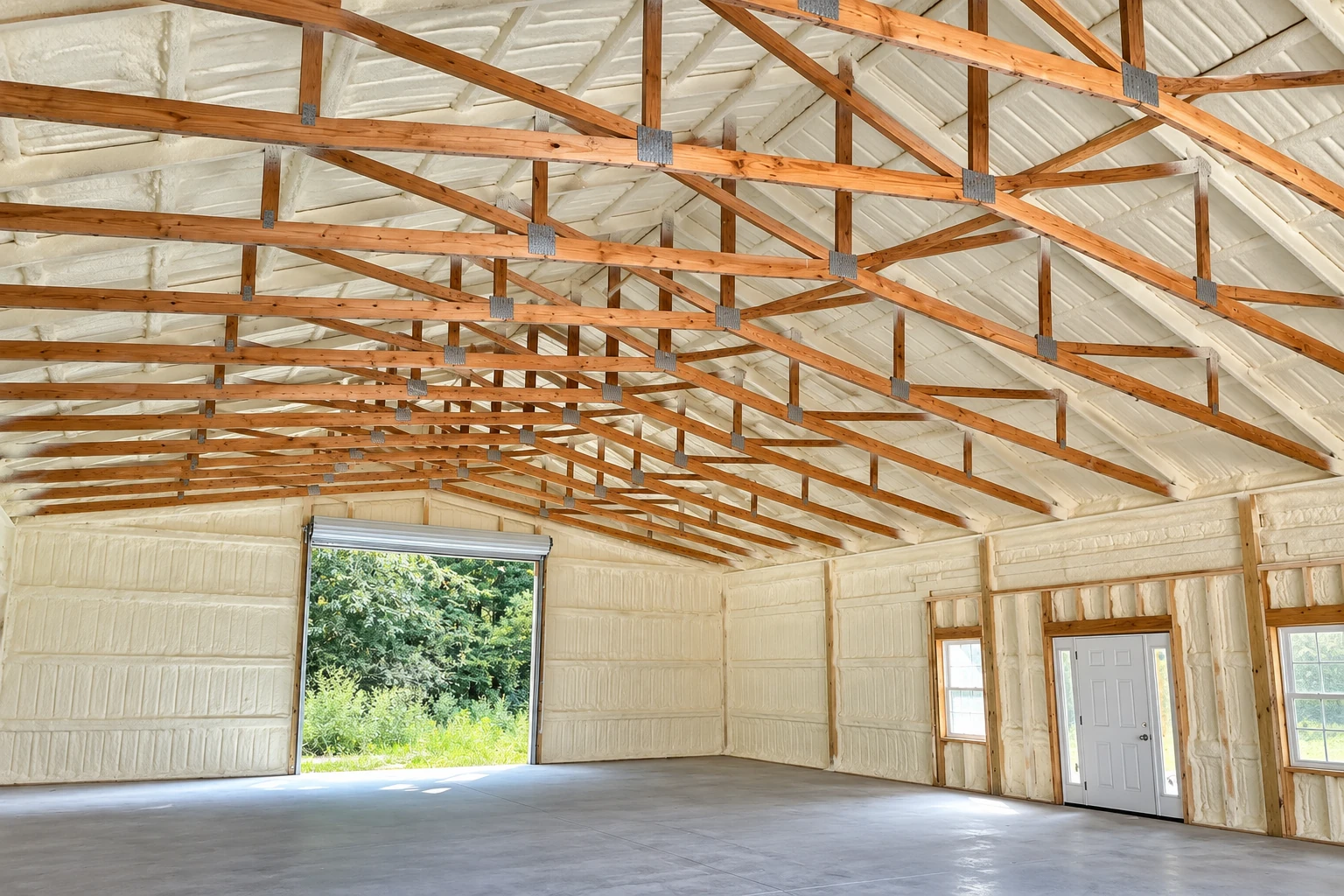
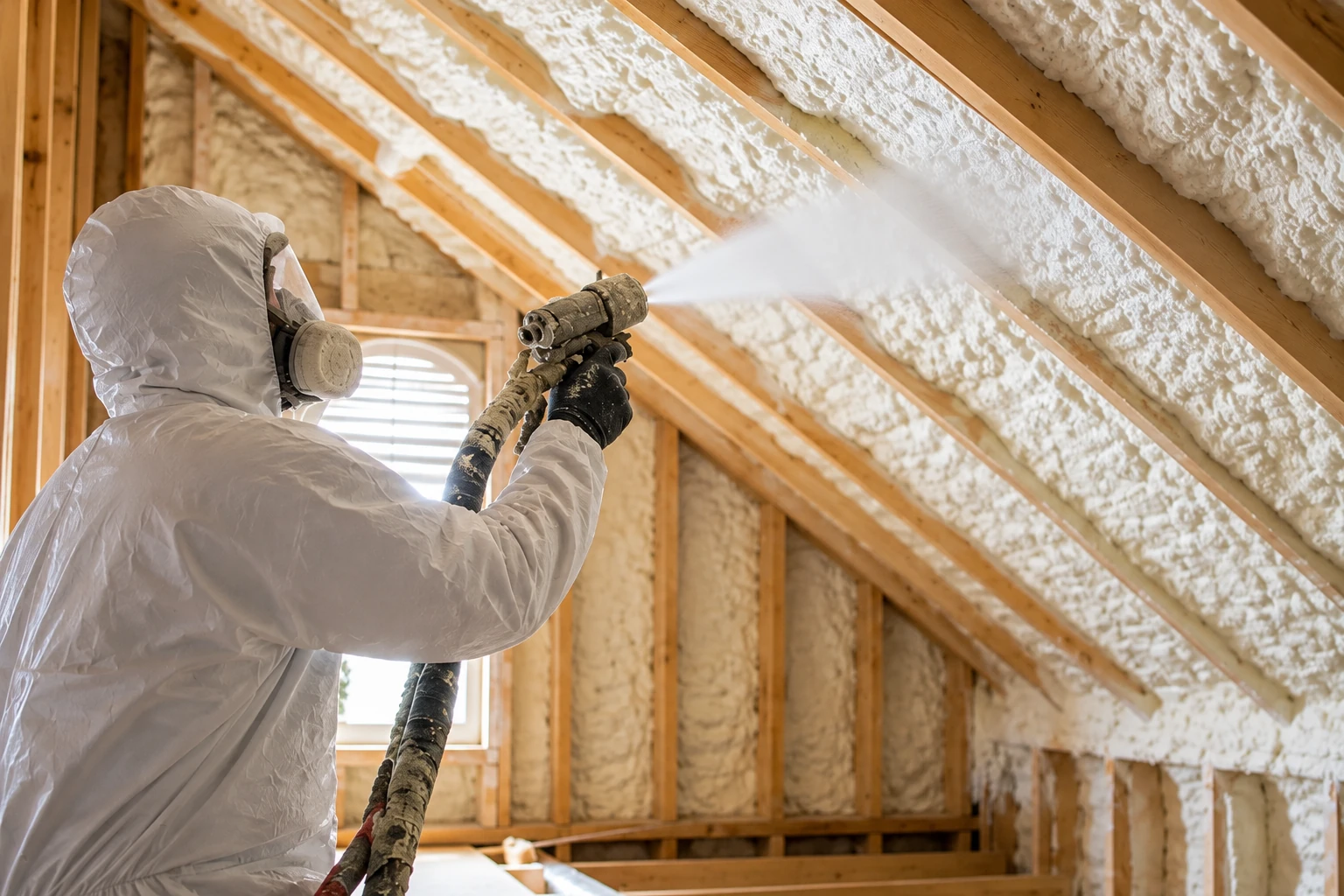
Spray foam reaches tight spots that loose fill can't, like rim joists and the room over the garage. It costs more, so I'll tell you when it's worth it and when it isn't.
Comfort San Rafael Insulation Services is an insulation contractor based in San Rafael, CA, working on homes in Kentfield. We seal attic leaks, clear out old insulation and add new insulation to attics, walls and crawl spaces.
Comfort San Rafael Insulation Services insulates and air-seals homes in Kentfield, from the attic down to the crawl space. We're an insulation contractor in San Rafael, CA, close by, and most of our work here is fixing older attics and floors in houses where people are living while we work.
The calls tend to sound alike. A bedroom won't warm up, the upstairs runs hot, the floors are cold over the crawl space, or the power bill keeps climbing. Most of that comes from air leaking through the ceiling and floor as much as from thin insulation, so the first thing I do in a Kentfield house is find where the air gets through.
I spent my first years insulating new houses, where the walls are open and nobody lives there yet. A lived-in home is different. There are boxes in the attic, a family downstairs and insulation left from a few owners back. We work around all of it, the same way we do on jobs in nearby San Anselmo.
Spray foam reaches tight spots that loose fill can't, like rim joists and the room over the garage. It costs more, so I'll tell you when it's worth it and when it isn't.
Most Kentfield calls start in the attic, with cold rooms or a hot upstairs below it. We seal the leaks first and then bring the insulation up evenly, all the way to the edges.
Blown-in insulation is loose fill blown through a hose. It tops up an older attic without tearing anything out, and we keep it clear of the eave vents so the attic still breathes.
When the whole house feels drafty, I look at the attic, walls and floors together and tell you which one is losing the most heat, so you fix that one first.
Insulation that got wet, packed down or filled with droppings has to come out before anything new goes in. If it stays, the problem just sits under the fresh material.
Cold floors usually mean the crawl space under them is open to outside air. We insulate between the floor joists once that space is dry and the gaps are sealed.
Older walls are often empty or only half full. We fill closed walls through small holes and patch them afterward, so you aren't living with open walls for weeks.
Air sealing means closing the gaps around pipes, wires and can lights before insulation goes in. If we skip it, the new insulation ends up fighting a draft.
A basement that stays cold gets its walls and rim joists insulated once any moisture is handled, and that keeps the floor of the room above warmer too.
Closed-cell foam is dense foam that also blocks moisture. It makes sense in crawl spaces and on walls that sit against the ground, where a damp spot would ruin softer material.
Open-cell foam is lighter and softer, good for filling odd-shaped cavities and quieting a room. It doesn't stop moisture, so we keep it out of damp spots.
Offices and small commercial buildings get the same order of work as a house, sealing first and insulating second, scheduled around the hours people use the space.
A plastic barrier laid over the dirt in a crawl space keeps ground moisture away from the floor framing and from the insulation we put above it.
A vapor barrier in the right place keeps moisture out of the insulation. In the wrong place it traps water inside the wall, so we decide where it goes before it goes in.
Before we add anything to an attic, we seal the hatch, the tops of the walls and the openings around lights and flues, so warm air stops slipping out.
Retrofit work means adding insulation to a house you're living in. We work around your furniture and boxes, cover what needs covering and clean up when we're done.
We reply to every call and message within one business day. I come out to your Kentfield home myself, look at the attic or crawl space, and only then write the estimate. It's free, and there's no obligation to go ahead.
(628) 234-2144Whether your Kentfield job needs a permit is up to the office that covers your address, and where that's Marin County, the county's Community Development Agency enforces the building code. Simple county permits are issued on demand. Ones that involve inspections and approved plans can take many weeks or months, and when a job needs one of those, that wait sets the start date more than our crew does.
Two things are worth checking about any contractor. The state licensing rules, covered in the questions below, decide when a contractor needs a California license. The county also requires anyone doing business in its unincorporated area to register for a business license, renewed each year by June 30. When a job needs a permit, we pull it and set up the inspection, and if you're not sure yours does, I'll find out before we start.
The price moves with the size of the space, how much old insulation has to come out, how many gaps need sealing and which material fits. The schedule turns on the permit, if there is one, and on how much cleanup comes before anything new goes in. I'll put your numbers on paper once I've seen the attic. We do the same work in Fairfax and Larkspur.
We do the steps in the right order. Leaks get sealed and bad insulation comes out before anything new goes in, because new material over a drafty or damaged attic doesn't do much. If your attic isn't ready, I'll tell you so, because I'd rather say that than sell you a job that won't help.
I come out myself to look at the space and write the estimate, and I'm on site running the install with our crew. We've been at this since 2023, and our work is backed by our satisfaction guarantee. Call (628) 234-2144 or send us the form and tell me which room is bothering you.
A few things about Kentfield shape how we plan an insulation job here. Some come from public hazard maps and county rules, and some from what we find once we're up in the attic.
A hazard data site that reads FEMA's maps puts part of Kentfield's land in a mapped flood area. That counts land across town and says nothing about your lot, so check FEMA's map for your own address. It matters under the house, because a crawl space that takes on water has to be dealt with before we insulate the floor, or the new insulation just holds the moisture.
The same site reads CAL FIRE's maps and puts a large share of Kentfield's land in a High fire hazard zone. That's also land area, so CAL FIRE's map is the place to check your own address. Most of our work happens inside, in the attic or crawl space. If a wall job would mean pulling exterior siding, I check the county's siding repair limits for wildfire areas before we plan it that way.
Marin County says it enforces California's building codes with its own local changes, and it has proposed moving to the newest state update. If your job needs a permit, that code is what the inspector checks the work against. I confirm which version applies with the county when we pull the permit, so the job is planned to the rules your inspection will use.
Most calls around here come from older homes, so the first job is looking before adding. I check how many inches are already up there, whether the old insulation got wet or picked up droppings, whether the eave vents are buried, and whether coverage thins out at the edges. Those answers decide whether we add, seal or pull material out first.
We price it from what's in your attic, and the biggest choice in that price is foam versus sealing plus loose fill. Foam costs more because it seals air while it insulates. For most attics, sealing the gaps and topping up blown-in insulation usually wins, unless your ductwork runs through the attic, and I'll price both at the estimate when both make sense.
Yes, if the job needs a building permit, uses hired workers, or comes to $1,000 or more in labor and materials. That's the state licensing board's rule, and a contractor needs the license before bidding. A bigger job can't be split into smaller pieces to get under that amount. We're licensed and insured.
That comes down to how much work has to happen before new insulation goes in. Topping up clean old insulation is a short job, while pulling out damaged material and sealing every gap takes longer. I'll lay out the schedule with your estimate, so you know which days we'll be in the house.
For spray foam, yes, and for blown-in insulation and air sealing, families usually stay home. The foam maker sets a re-entry time, the wait before people and pets can come back inside, and we follow it. I'll tell you that time before the day so you can plan for the kids and pets.
Clear the boxes out of the attic and the path to the hatch, and move anything stored right below it. That gives our crew room to seal the gaps and get even coverage out to the edges, where attics usually come up thin. We cover the floor under the hatch before we start.
Sometimes an attic only needs its gaps sealed and not a new layer, and you won't know until someone looks, so call (628) 234-2144 or use our form to set up a visit.